


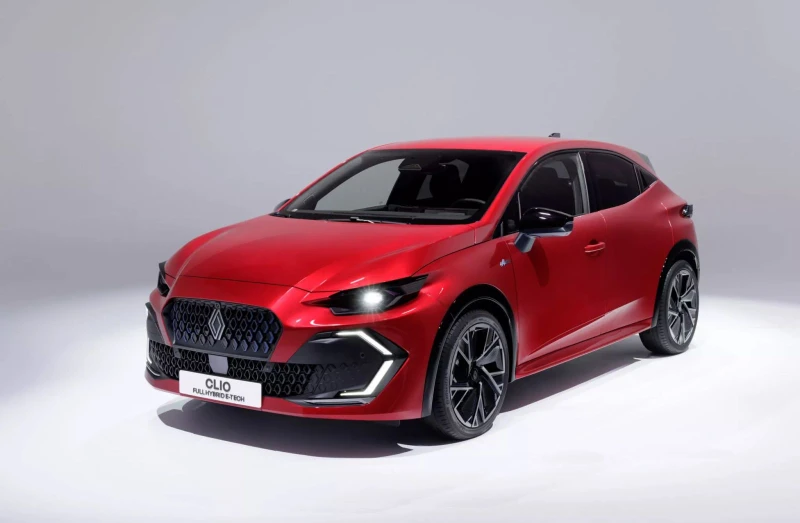
With the latest Renault Clio, things are refreshingly different. One talented independent designer has shown what a modern Clio could look like if the brand fully embraced its heritage — and the result is seriously compelling.
The New Clio — No All-Out Electric Push
The current-generation Renault Clio arrived without drastic experimentation. There's no complete abandonment of internal combustion here — the focus is on gasoline engines with mild hybrid assistance. And honestly, that feels like a smart move. It remains a true compact hatchback just over 13 feet long, with sensible proportions and a practical wheelbase.
Entry-level models start at an estimated market price in the United States of around $19,000–$21,000. For that, buyers get about 115 hp — plenty for the class. In terms of size-to-power ratio, the Clio holds its own against rivals that often cost similar money but deliver either a smaller body or less engaging dynamics.
Why Fun Little Hot Hatches Are Vanishing
Just a decade ago, a compact hot hatch was every enthusiast's dream. Today, the segment is nearly extinct — not because demand disappeared, but because prices have skyrocketed. High-performance versions easily climb past $35,000–$40,000, putting them in the same bracket as larger, more practical cars.
Add mandatory hybrid systems, extra weight, and the loss of a true manual gearbox, and it's clear why the excitement has faded.
The Legend Called Williams
In the 1990s, Renault offered a Clio variant still spoken of with reverence — the Clio Williams. Light body, naturally aspirated 2.0-liter engine, pure manual transmission, and no electronic nannies. Only about 3,800 were built, and today they're highly sought-after collectibles.
Designer David Bayliss posed a simple question: what if we built a proper Clio Williams successor today — not just “inspired by,” but the real deal?
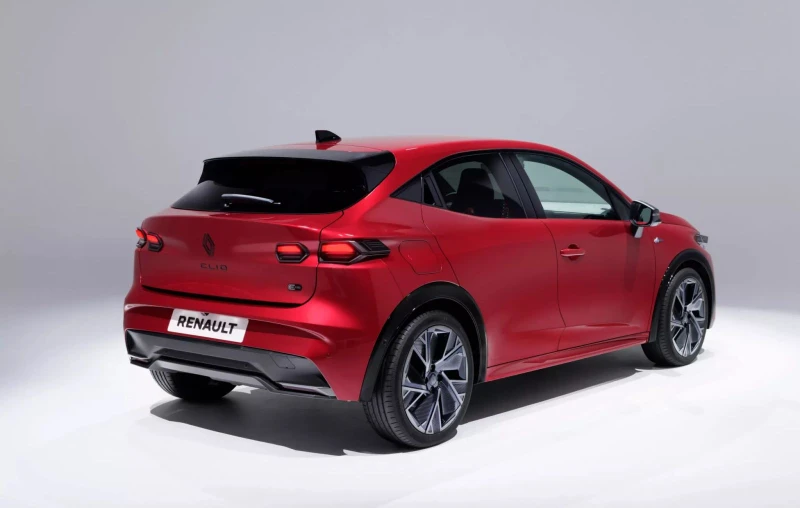
What a Modern Clio Williams Could Look Like
- wider stance with aggressive yet tasteful body kit
- gold wheels as a direct nod to the 90s icon
- turbocharged 2.0-liter engine, no hybrid hardware
- around 300 hp paired exclusively with a manual gearbox
- curb weight kept around 3,080 lbs
Sound like a dream? Exactly. A car like this would instantly become a favorite among drivers tired of heavy, overly sanitized modern performance machines.
Why This Probably Won't Happen
The reason is painfully obvious and all the more disappointing: emissions regulations, safety standards, cost concerns, and corporate risk aversion. Building cars like this simply isn't profitable enough for big manufacturers anymore. That makes the whole situation feel almost absurd — there's clear demand for emotional, driver-focused machines, yet the market keeps delivering increasingly similar, compliance-driven vehicles.
Still, even as a designer's fantasy, this retro-inspired Clio serves as a powerful reminder: sometimes the key to creating a truly desirable car is simply remembering why people fell in love with your brand in the first place.