


For the compact crossover segment, the sixth-generation Toyota RAV4 is more than a routine styling update. The gasoline-only powertrain has disappeared from the U.S. lineup, so every 2026 model now uses either a conventional hybrid or plug-in hybrid system. The redesign also introduces a new cabin, updated driver-assistance technology, and clearly differentiated Core, Rugged, and Sport design themes.
The RAV4 remains one of Toyota’s most important vehicles in the United States, but the new lineup is more varied than before. It ranges from front-wheel-drive hybrid models intended for efficient commuting to the all-wheel-drive Woodland, premium-oriented Limited, and performance-themed GR Sport plug-in hybrid. Choosing the right version therefore requires more than comparing equipment lists.
How the Exterior and Interior Have Changed
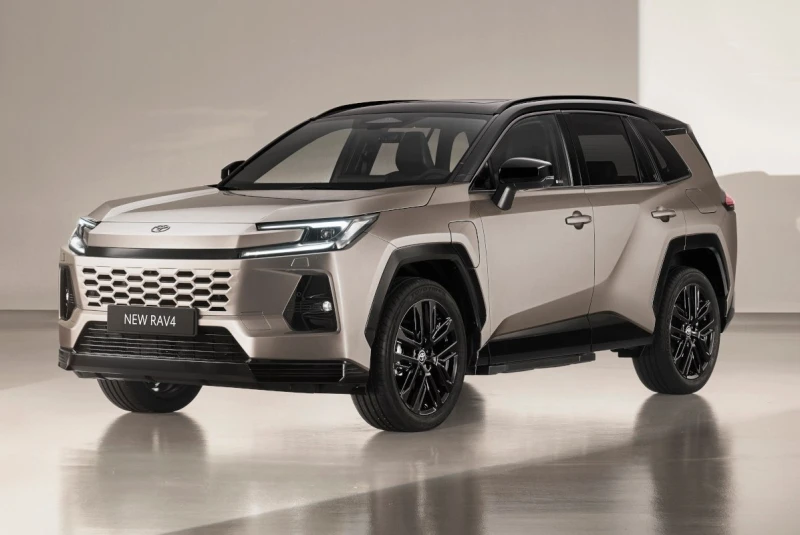
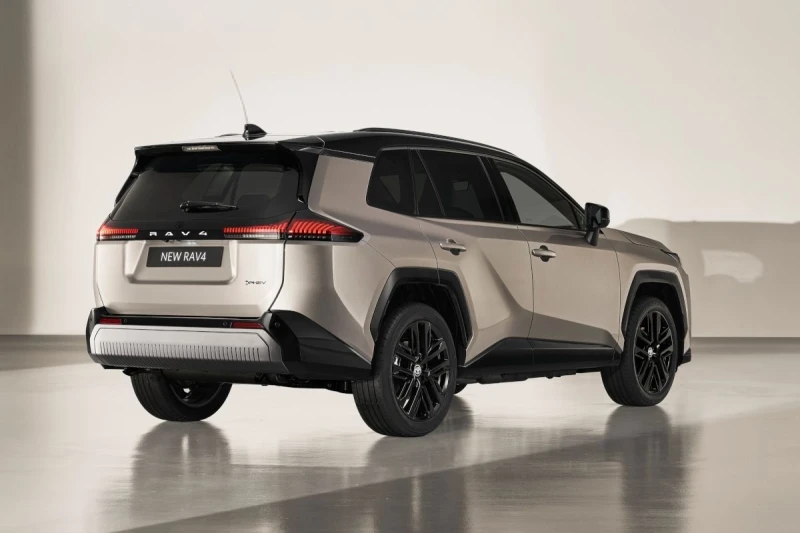
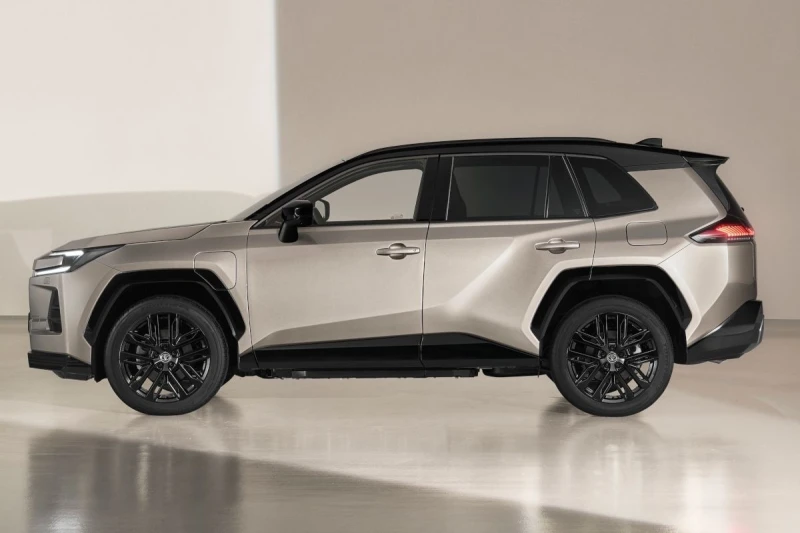
The new RAV4 adopts Toyota’s hammerhead-inspired front-end design, sharper lighting, and more distinct styling for each grade family. Core versions have a conventional urban appearance, Woodland models emphasize rugged details, and the Sport family uses more aggressive bumpers and wheel designs. Overall proportions remain familiar: the crossover is approximately 181 inches long and retains a 105.9-inch wheelbase. Ground clearance varies by grade and wheel-and-tire configuration.
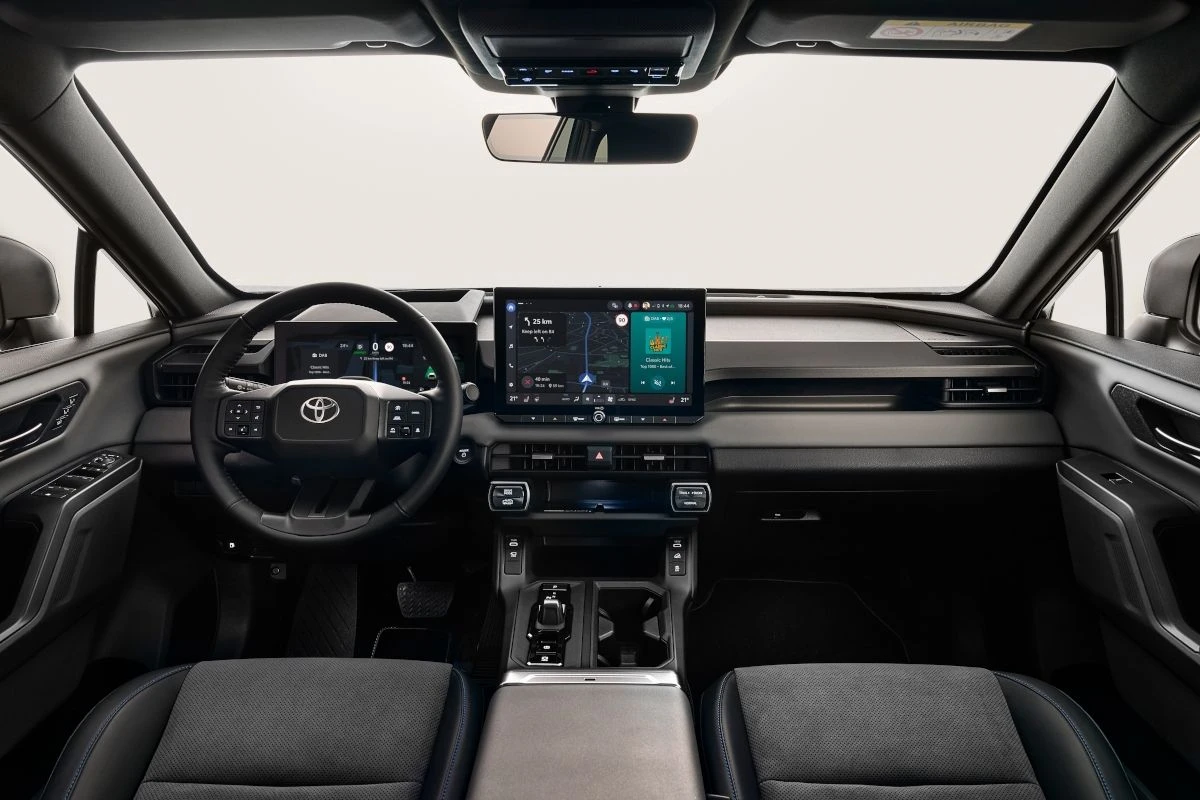
Inside, the focus shifts toward digital interfaces. A customizable 12.3-inch digital gauge cluster is standard, while the Toyota Audio Multimedia touchscreen measures 10.5 or 12.9 inches depending on trim. Wireless Apple CarPlay and Android Auto compatibility are included, and higher grades add features such as a head-up display, a digital rearview mirror, and an upgraded JBL audio system.
The dashboard has been reorganized around large, easily reached controls and additional storage areas. Equipment and upholstery differ considerably between grades, so buyers should inspect the exact vehicle rather than assume that every feature shown in promotional materials is standard across the lineup.
Chassis and Safety Technology
The sixth-generation RAV4 continues to use Toyota’s TNGA-K architecture. Suspension tuning, wheels, tires, and steering calibration vary by grade: Woodland focuses on rough-road capability, while the plug-in GR Sport receives dedicated suspension, steering, and body-bracing changes. Hybrid all-wheel-drive models use an electric motor to power the rear axle instead of a conventional mechanical connection.
Toyota Safety Sense 4.0 is standard across the 2026 lineup, bringing updated detection capabilities to the pre-collision system, adaptive cruise control, lane-support functions, and other driver-assistance features. Depending on trim and package, buyers can also find a Panoramic View Monitor, Advanced Park, and Traffic Jam Assist. Some connected assistance functions require an active trial or subscription and network coverage.
Powertrains Available in the United States
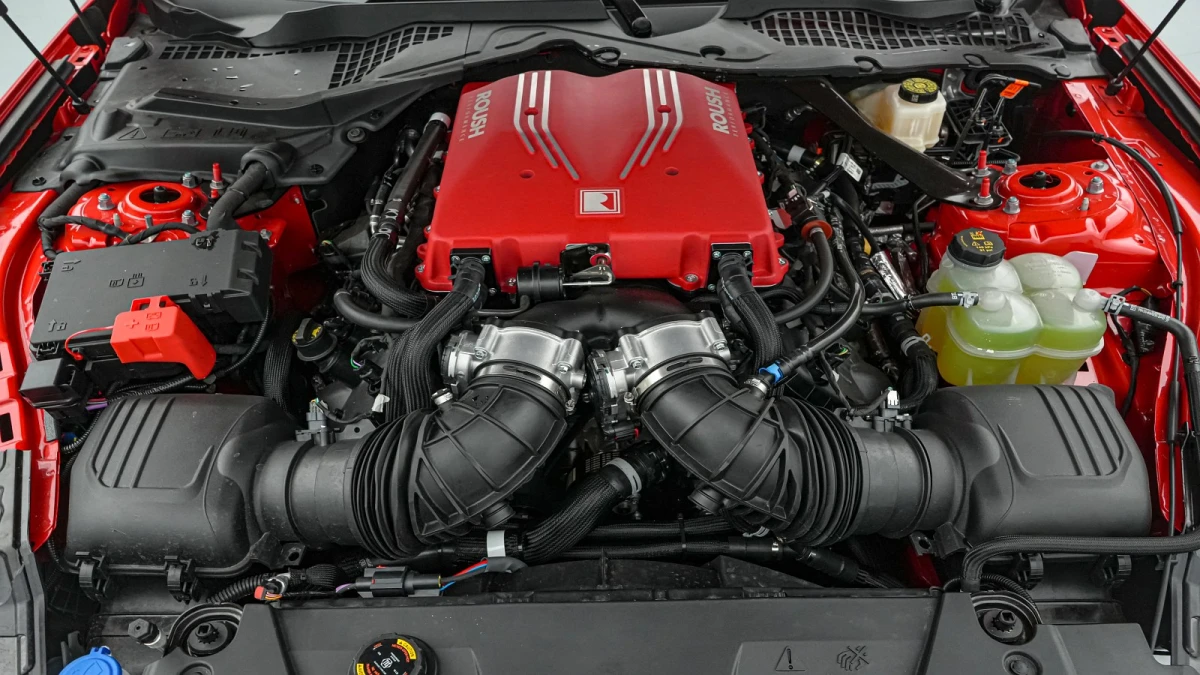
The U.S.-spec 2026 RAV4 is not offered with the 2.0-liter gasoline engine found in some international markets. Every American-market version combines a 2.5-liter four-cylinder gasoline engine with electric assistance and an electronically controlled continuously variable transmission. Three configurations are available.
Front-Wheel-Drive Hybrid: 226 hp
Front-wheel drive is offered on the LE, SE, and XLE Premium. These versions produce 226 net combined horsepower and provide the lowest entry price in the lineup. EPA-estimated fuel-economy figures reach up to 47 mpg city and 40 mpg highway, although the final rating depends on grade and equipment. This configuration is the straightforward choice for buyers who prioritize efficiency and do not regularly need all-wheel drive.
All-Wheel-Drive Hybrid: 236 hp
Adding the rear electric motor raises combined output to 236 hp. AWD is available on the LE, SE, and XLE Premium and standard on the Woodland, XSE, and Limited. Fuel economy varies with wheels, tires, and trim; the more rugged Woodland trades some efficiency for all-terrain tires and additional capability. Buyers should compare the EPA figures printed on the window sticker for the exact vehicle under consideration.
Plug-In Hybrid AWD: 324 hp
The RAV4 Plug-in Hybrid is offered in SE, Woodland, XSE, and GR Sport grades, all with AWD and 324 net combined horsepower. Toyota lists an EPA-estimated 54 miles of electric-only range for the SE, while range and efficiency differ on other grades. The system can also accelerate from 0 to 60 mph in 5.4 seconds. Its advantages are greatest for drivers who can charge regularly at home or work and complete much of their daily travel on electricity.
The regular hybrid requires no external charging and is likely to suit the widest range of owners. The plug-in hybrid adds stronger performance and useful electric range, but its higher purchase price makes the most sense when charging is convenient. AWD remains valuable in snow-prone regions, while FWD provides a less expensive and more efficient alternative in milder climates.
Trims and Equipment That Matter
The conventional hybrid lineup consists of LE, SE, XLE Premium, Woodland, XSE, and Limited. Even the entry model includes the digital gauge cluster, modern infotainment, wireless smartphone integration, and Toyota Safety Sense 4.0. Moving up the range adds combinations of SofTex-trimmed seating, larger wheels, heated and ventilated seats, parking assistance, premium audio, and a larger multimedia display.
For Snow Belt use, AWD, heated seats, a heated steering wheel, and the appropriate winter tires may be more important than cosmetic upgrades. Woodland models add all-terrain tires and rugged exterior hardware, while hybrid versions provide up to 37.8 cubic feet of cargo space behind the second row. Towing capacity reaches 3,500 pounds on selected configurations, but buyers should verify the rating for the specific grade.
The plug-in lineup follows a different hierarchy. SE is the value-oriented version, Woodland emphasizes outdoor capability, and XSE adds more comfort and technology. GR Sport uses unique bumpers, 20-inch wheels, performance tires, reinforced chassis components, and GR-specific steering and suspension tuning. Those differences affect ride quality, replacement-tire costs, and winter usability as well as appearance.
What Ownership Costs Include
Fuel expenses will depend on drivetrain, local gasoline and electricity rates, temperature, and driving pattern. A conventional hybrid may be simpler for drivers without dependable charging, while a plug-in hybrid can reduce gasoline use when charged frequently. Insurance, tire costs, and routine service should be compared for the exact trim because large wheels and additional equipment can change the ownership budget.
Toyota’s U.S. coverage includes a 36-month/36,000-mile basic limited warranty. Hybrid-related components receive separate coverage, and the hybrid battery is covered for 10 years or 150,000 miles, whichever comes first, subject to the warranty’s terms and exclusions. Buyers should consult the official Warranty and Maintenance Guide for complete details.
Taxes, registration fees, insurance premiums, dealer-installed accessories, and charging-equipment costs vary by location and owner. Plug-in hybrid buyers should not assume that a federal or state incentive applies; eligibility rules can change and should be confirmed for the specific vehicle and purchase date.
Dealer Inventory, Pricing, and Purchase Options
The 2026 RAV4 is available in the United States through Toyota dealers. Base MSRPs currently range from approximately $31,900 for the RAV4 LE hybrid to $48,500 for the RAV4 Plug-in Hybrid GR Sport. These figures exclude the destination charge, options, dealer-installed accessories, taxes, title, and registration, and they should not be treated as guaranteed transaction prices.
Inventory and equipment can vary by region. When comparing dealer listings or vehicles advertised through Cars.com, Autotrader, or CarGurus, buyers should use the VIN and factory window sticker to confirm the drivetrain, packages, EPA rating, and original equipment. A lower advertised price may exclude mandatory dealer accessories or other charges.
Gray-market imports offer little practical advantage for most U.S. buyers because non-U.S. versions may have different powertrains, emissions equipment, safety certification, multimedia software, and warranty coverage. Before choosing the plug-in hybrid, it is also worth confirming home-charging access, insurance costs, and the charging equipment supplied with the vehicle.
Who Should Consider the Sixth-Generation RAV4
The redesigned RAV4 is aimed at buyers who want a practical two-row crossover with strong fuel economy, useful cargo space, and a broad U.S. dealer network. Its lineup covers several distinct priorities, from an efficient FWD commuter to an AWD family vehicle, an outdoor-focused Woodland, or a substantially quicker plug-in hybrid.
The regular hybrid is the more universal choice for owners who cannot charge consistently. The plug-in hybrid is better suited to drivers who can use its electric range regularly and accept the higher initial price. Woodland prioritizes rough-road equipment, while XSE, Limited, and GR Sport direct more of the budget toward design, comfort, technology, or handling.
The sixth generation preserves the RAV4’s familiar size and practical mission while changing its technical foundation for the U.S. market. The key purchase decision is no longer gasoline versus hybrid, but FWD versus AWD, conventional hybrid versus plug-in hybrid, and the equipment package that best matches everyday use.