


Modern technologies enable the creation of large marine vessels with fully electric powertrains. One such project is the new passenger ferry China Zorrilla, which is equipped with the largest battery system among civilian vessels. Particular attention is paid to safety and evacuation issues, which are crucial for a vessel with thousands of passengers on board.
Design Features and Electric System
China Zorrilla was developed by the Australian company Incat and is intended for transporting over 2000 passengers and up to 225 vehicles. The vessel is equipped with batteries totaling about 250 tons in weight and a combined capacity of 40 MWh. This energy reserve allows it to cover distances up to 180 kilometers without recharging, making it suitable for regular routes of medium length.
The ferry will be used on the route between Buenos Aires and Colonia del Sacramento. The length of this route is about 60 kilometers, and the vessel can complete it in approximately 90 minutes. The electric powertrain provides low noise levels and zero direct emissions into the atmosphere.
Potential Risks and Safety Measures
Despite the advantages of electric propulsion, the use of batteries on such a scale requires special safety measures. The primary risk is the possibility of fire, which in the case of large energy systems demands rapid response and effective passenger evacuation.
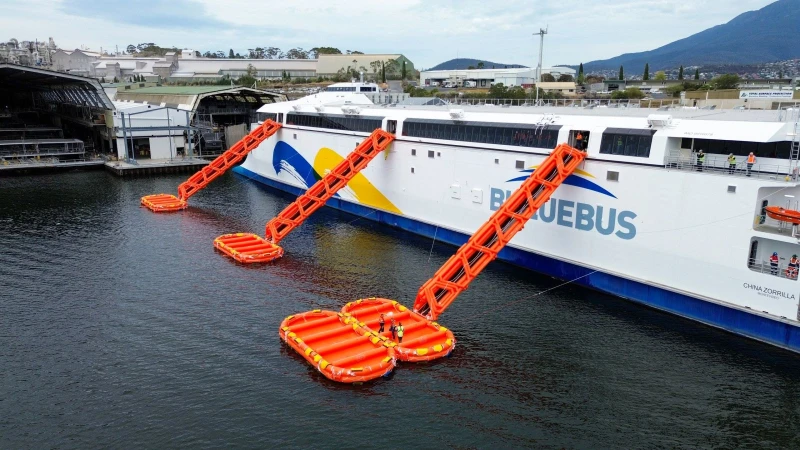
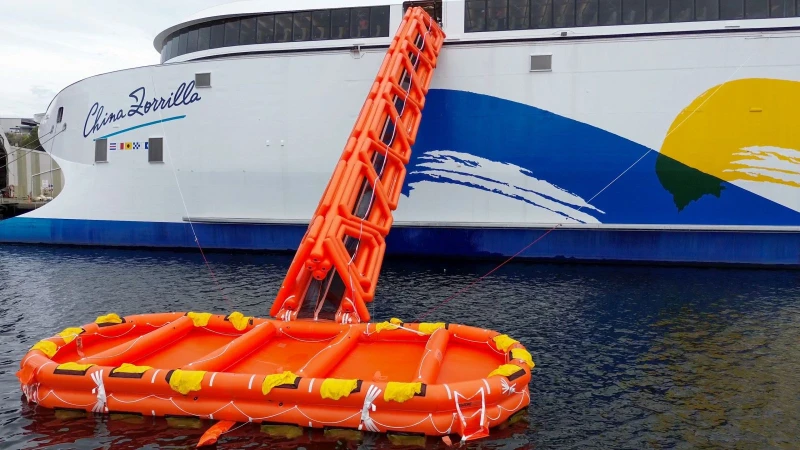
To address this, the vessel is equipped with a specialized Marine Evacuation System (MES). It includes several elements that ensure quick and organized evacuation from the board.
Main Components of the Evacuation System
- six evacuation chutes approximately 22 meters long, located on both sides of the vessel;
- 13 inflatable life rafts;
- total capacity of life-saving appliances up to 2432 people;
- automatic deployment of the system in emergency situations.
This configuration allows for the evacuation of all passengers and crew if necessary. Modern materials and designs ensure rapid deployment of life-saving appliances.
Additional Features and Equipment
China Zorrilla has a length of about 130 meters and is designed for regular operation on high-traffic routes. The interior spaces include passenger areas, vehicle decks, and commercial spaces. On board, there are also shops and rest areas for passengers.
The vessel is in the final stage of preparation and will be handed over to the operator for operation after completing tests. The use of an electric powertrain reduces operating costs and minimizes environmental impact.
Summary
China Zorrilla represents an important milestone in the development of electric marine transport. The use of high-capacity batteries enables regular voyages without traditional fuel. Particular attention is given to passenger safety, including modern evacuation systems. Such solutions demonstrate the capabilities of electric technologies in marine transport and form the basis for further development in this area.