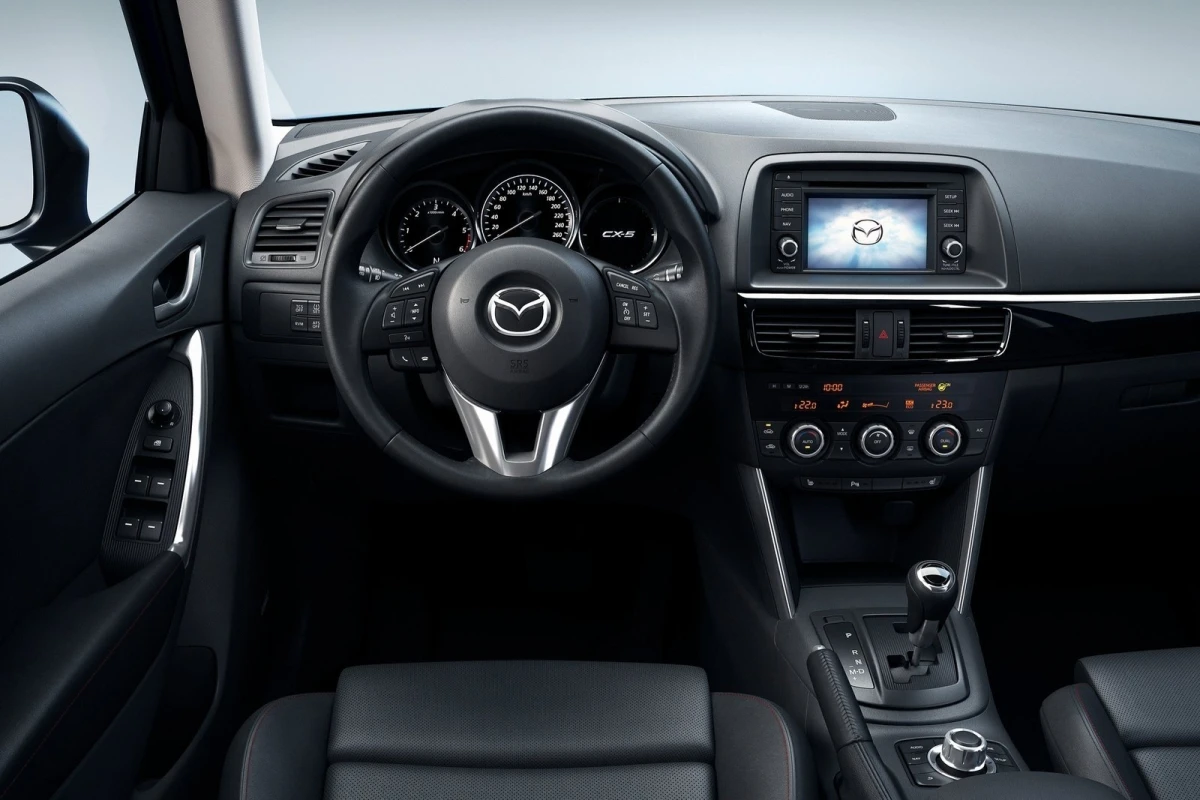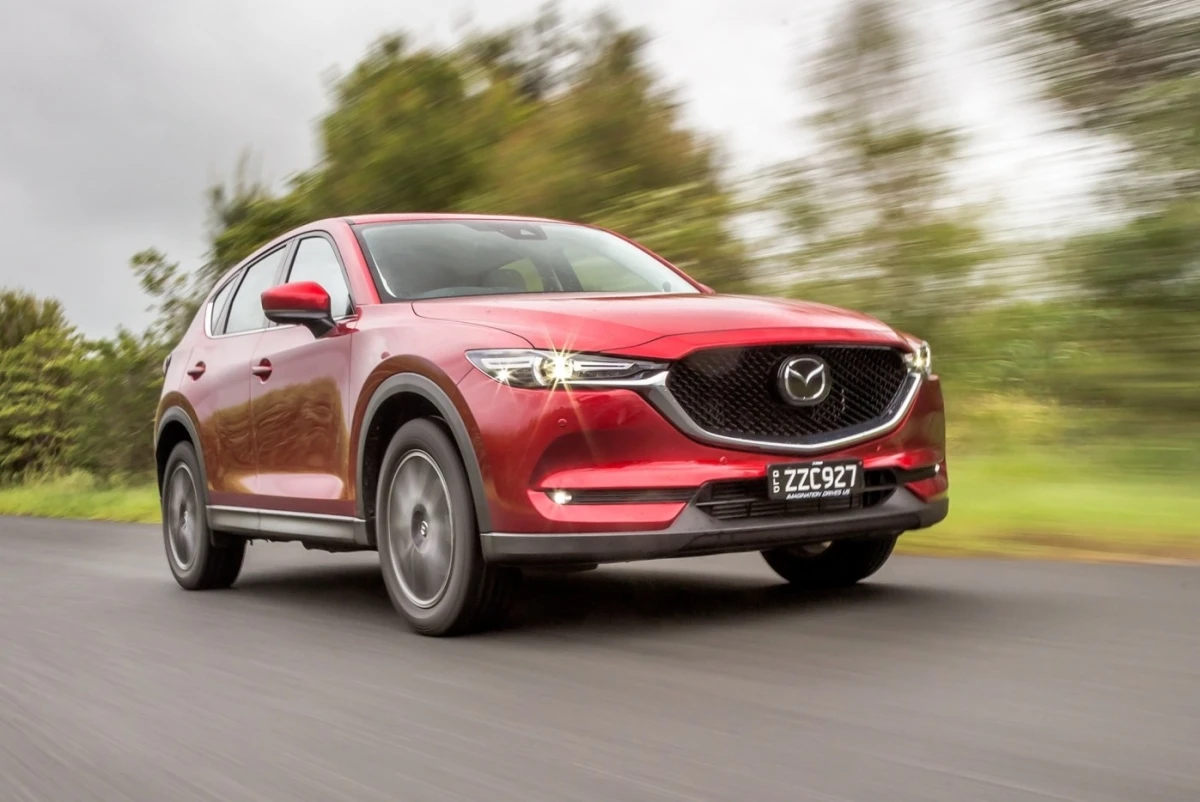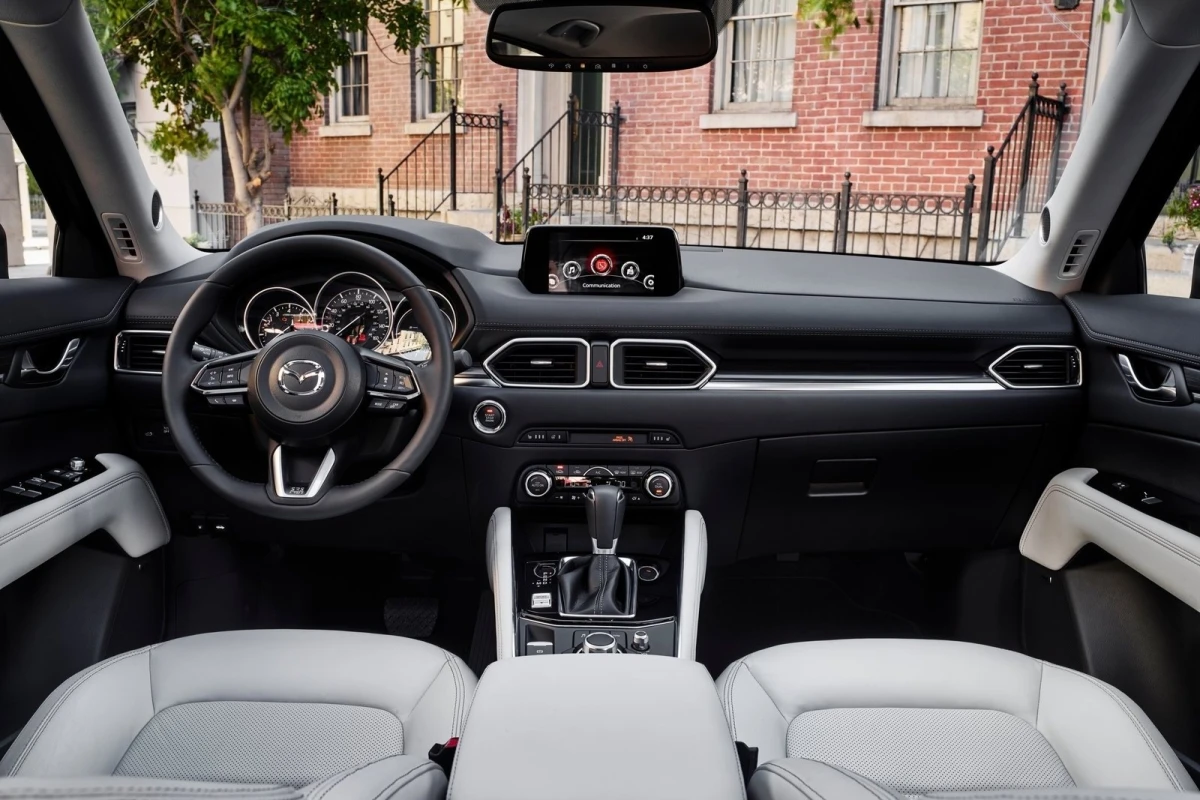



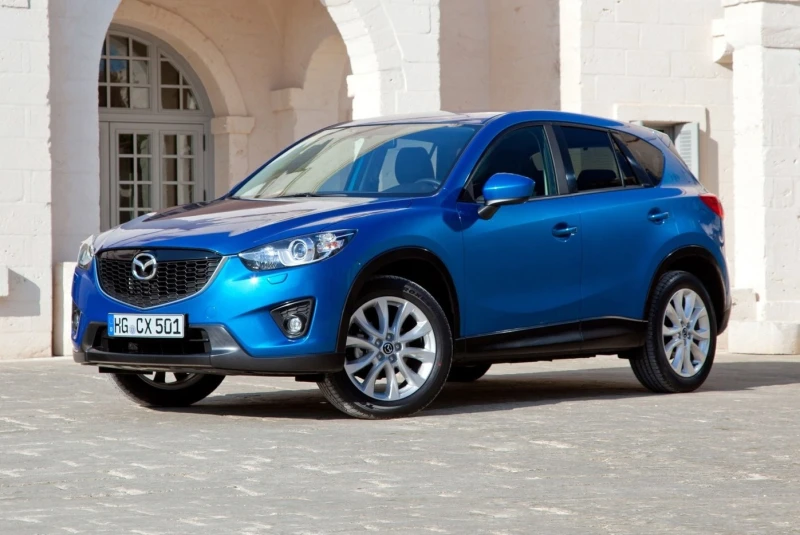
This generation is now complete, as Mazda shifted to the second generation (KF) starting in 2017. The model made its global debut in late 2011–early 2012, with European sales kicking off in spring 2012 and U.S. availability following shortly after. It rides on Mazda's pioneering Skyactiv platform, which debuted with the CX-5 and formed the foundation for most later models from the brand.
Within Mazda's lineup, the CX-5 I served as the compact C-SUV, slotting between the smaller CX-3 and the larger CX-7 (later replaced by the CX-9). Hallmarks of this generation include the flowing KODO "Soul of Motion" design language, widespread Skyactiv technology adoption (lightweight body, high-efficiency engines, six-speed transmissions), and a focus on sharp handling and engaging driving dynamics that set it apart from most competitors of the era.
What’s New Compared to Prior Models
The first-generation CX-5 (KE) had no direct predecessor in the compact crossover segment. Its closest relatives were the Mazda Tribute (2000–2011) and CX-7 (2006–2012), but both belonged to different classes with different philosophies. As a result, the CX-5 KE was seen as an entirely fresh addition to the lineup.
Compared with the Tribute and CX-7, the new generation introduced:
- a modern lightweight body using high-strength steels (Skyactiv-Body);
- an all-new family of Skyactiv-G gasoline and Skyactiv-D diesel engines with high compression ratios and excellent efficiency;
- six-speed manual and automatic transmissions developed in-house;
- multi-link rear suspension instead of the previous beam axle;
- significantly stiffer chassis and greatly improved handling;
- introduction of i-Activsense active safety features (adaptive cruise control, blind-spot monitoring, lane-keep assist — on higher trims in later years);
- a move toward more upscale interior feel and higher-quality materials.
Current Status of the Generation
Production of the Mazda CX-5 I (KE) ended in 2017. The final lineup featured Skyactiv-G 2.0 gasoline engines (150–165 hp) and 2.5 (up to 192 hp, mainly for the U.S. and select Asian markets), plus Skyactiv-D 2.2 diesels (150 and 175 hp). Transmissions included six-speed manual or automatic, with front- or all-wheel drive (i-Activ AWD).
The 2015 facelift brought a revised front grille and bumper, updated taillights, fresh wheel designs, and a mildly refreshed interior (new steering wheel, improved trim, expanded suite of driver aids on top trims). Post-facelift, the 2.2 diesel saw a slight power bump, better fuel economy, and refinements to the AdBlue exhaust aftertreatment system in applicable regions.
On the U.S. used market, the most sought-after examples are typically 2015–2017 post-facelift models with the 2.0 gasoline engine and AWD, or the 175-hp diesel with automatic — they offer the best blend of performance, reliability, and resale value.
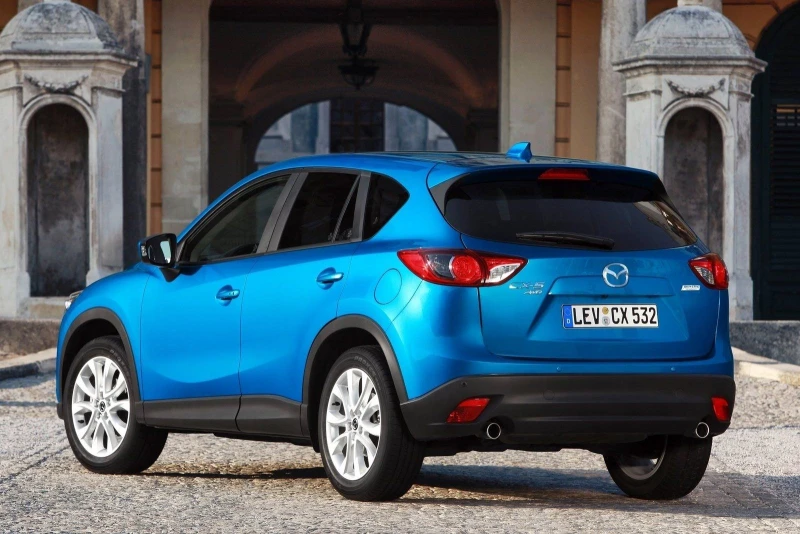
U.S. Used Market
As of early 2026, major U.S. listing sites (such as Cars.com, Autotrader, and CarGurus) show several thousand Mazda CX-5 first-generation (2012–2017) vehicles for sale. New vehicles of this generation are long discontinued, and fresh imports from overseas are uncommon and usually carry a premium over domestic examples.
The used market remains lively: most available cars are post-2015 facelift models, with many originating from various U.S. regions, some from Canada, or former lease/fleet vehicles. Condition ranges widely — from well-maintained, one-owner examples with documented service history to higher-mileage or repaired units.
Approximate market price range (depending on year, mileage, condition, and equipment):
| Years | Engine / Drivetrain | Approx. Market Price (USD) |
|---|---|---|
| 2012–2014 | 2.0 gasoline / FWD | $8,000 – $11,500 |
| 2013–2015 | 2.2 diesel / AWD | $9,500 – $13,500 |
| 2015–2017 | 2.0 gasoline / AWD | $11,000 – $16,000 |
| 2016–2017 | 2.2 diesel 175 hp / AWD | $13,000 – $18,000 |
Post-facelift versions with the 2.0 gasoline and AWD, or the 175-hp diesel with automatic, remain the most in-demand.
Common Trims & Equipment on the U.S. Market
Typical trim levels commonly found in the used market:
- Sport / Touring — cloth upholstery, air conditioning or single-zone climate control, 5.8-inch multimedia screen, rearview camera (from 2014), 17-inch wheels, basic safety aids;
- Grand Touring / Touring — leather seats, dual-zone climate, 7-inch multimedia, heated front (and sometimes rear) seats, heated steering wheel, keyless entry, 18–19-inch wheels, rain & light sensors;
- Grand Touring / Signature (later) — premium leather, head-up display, Bose audio, adaptive cruise control, blind-spot monitoring, lane-keep assist, LED headlights, power seats with memory;
On the U.S. market, a large share of examples feature i-Activ AWD (especially after 2014), leather trim, and extensive heated features suited to varied climates. All versions use independent multi-link rear suspension with no major differences across trims.
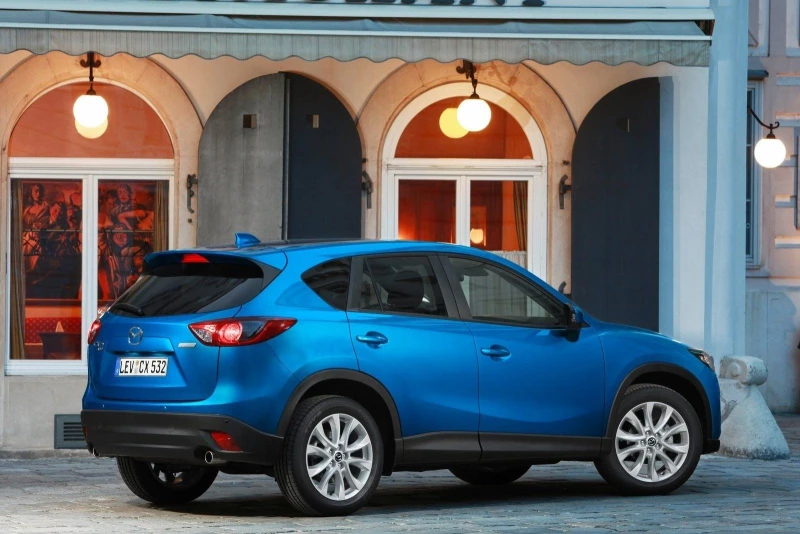
Final Thoughts & Generation Relevance
In the 2026 U.S. used market, the Mazda CX-5 I (KE) continues to stand out as one of the most desirable compact crossovers in the $10,000–$18,000 range. It appeals to buyers seeking sharp handling, a premium-feeling cabin, and reasonable ownership costs without paying extra for newer generations.
The generation remains appealing thanks to its well-rounded mix of driving enjoyment, durability, and features. The strongest choices are post-2015 facelift models with the 2.0 gasoline (150–165 hp) and AWD, or the 2.2 diesel (175 hp) with automatic — they deliver the best combination of responsiveness, reliability, and market value, with fewer fuel-system concerns than early diesels.
When shopping for a used first-gen CX-5 (KE), pay special attention to:
- transmission service history (automatic fluid changes every ~40,000 miles recommended);
- timing chain condition on 2.0 gasoline engines (especially over 110,000–125,000 miles);
- AdBlue system operation on diesels (particularly post-2015 models);
- no signs of major accidents and quality body repairs;
- proper operation of the AWD system (transfer case and driveshaft check);
- suspension wear (struts, bushings, control arms) — wear can accelerate on rough roads.
The first-generation Mazda CX-5 review shows that even nearly a decade after production ended, this model remains highly competitive in its class on the used market, blending engaging driver appeal with everyday practicality.