


Volkswagen Passat B6 interior blends German practicality with upscale touches, keeping it appealing even in 2025. In this review, we dive into the 2005–2010 Passat cabin, available trims, updates over the years, typical drawbacks, and tips for buying used. This guide explains why it's still a solid pick for families and commuters. Check our other articles for specs, exterior, and engines.
Materials and Design
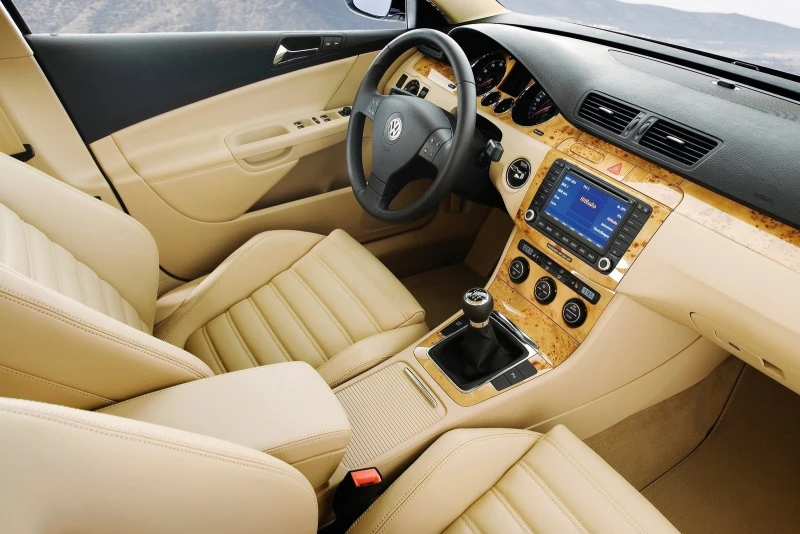
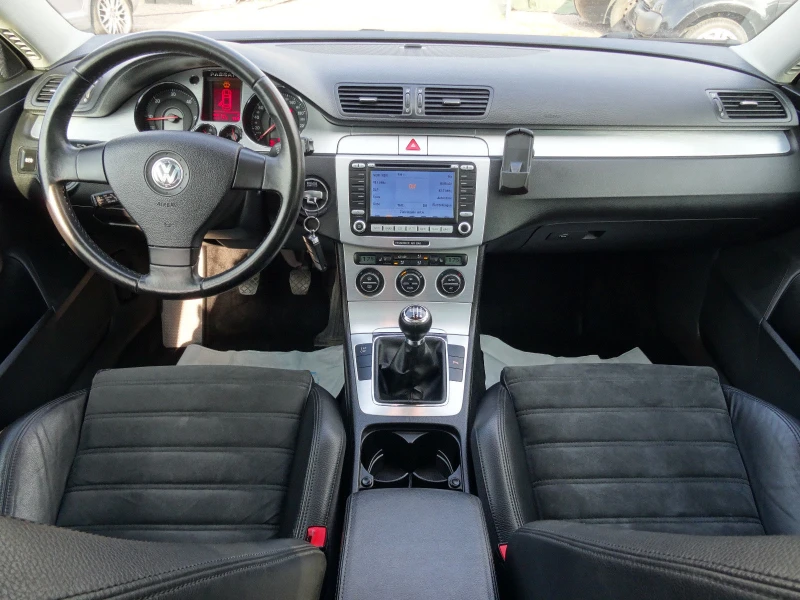
The Volkswagen Passat B6 cabin stands out for its roominess and ergonomics. The premium-comfort design features horizontal dashboard lines that make the space feel wider, with an intuitive center console for easy controls. Materials range by trim, but even base models use soft-touch plastics on the dash and doors, with aluminum or wood accents in higher trims. Seats come in cloth or leather (top trims), offering strong lateral support and multiple adjustments—driver's seat often power-operated with heating.
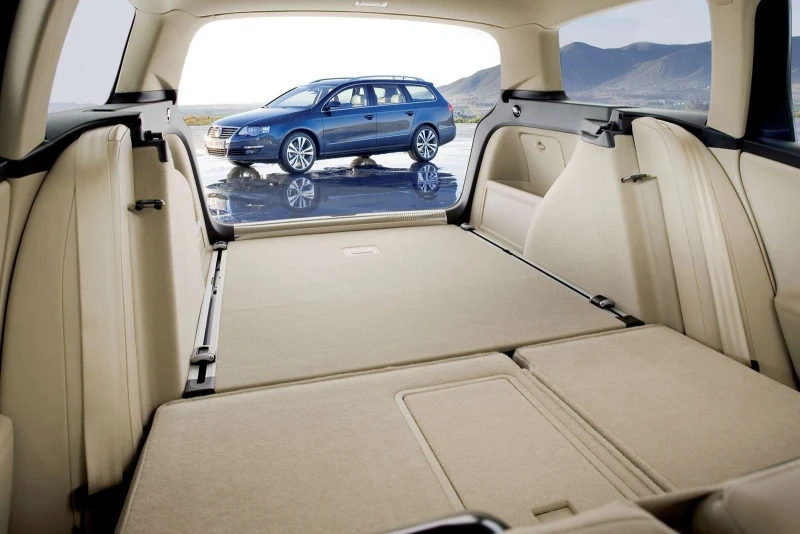
One of the highlights of the Passat cabin is easy entry and exit: front seats are ergonomic with ample height and reach adjustments, fitting drivers from 5'3" to 6'5". The rear provides generous space thanks to a 106.7-inch wheelbase—plenty of legroom and headroom for three adults, with 60/40 split-folding seats. The central tunnel can crowd the middle passenger, though. Trunk practicality shines: 20 cubic feet in the sedan, up to 35.6 in the wagon (expandable). Flat load floor, hooks, nets, and compartments; wagons add power liftgate and roof rails. Great for family road trips or hauling gear on highways like Route 66.
Trim Levels on the US Market
On the US market, the Volkswagen Passat B6 interior came in trims like Value Edition/2.0T (entry/mid) and 3.6/3.6 4Motion (premium). Many were turbo four-cylinder models, with options varying. Base models included cloth seats, air conditioning, power windows/mirrors, CD audio, multifunction steering wheel, and multiple airbags. Climate was typically manual single-zone, with solid noise insulation.
| Trim Level | Upholstery and Seats | Infotainment and Climate | Assistants and Options |
|---|---|---|---|
| 2.0T (mid) | Cloth/leatherette, manual adjustments | CD audio, air conditioning | Stability control, cruise control |
| 3.6 | Cloth/leather, heated seats | Dual-zone climate, premium audio | Rain-sensing wipers, parking sensors |
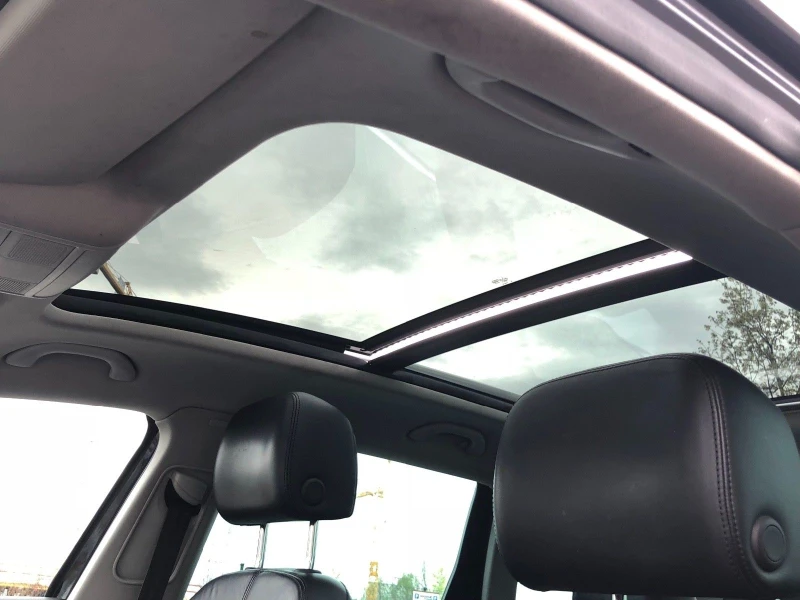
| 3.6 4Motion (top) | Leather, power adjustments | Touchscreen nav option, dual-zone climate | Xenon lights, panoramic roof, park assist |
Mid trims added dual-zone climate, cruise, alloy wheels, auto wipers/lights, and better audio. Top 3.6 models offered leather with heating/ventilation, optional navigation touchscreen, panoramic roof (wagon), adaptive xenon headlights, and front/rear parking sensors. On the used market today, well-equipped 2.0T and 3.6 models dominate listings, ideal for highway cruising or city traffic in places like Los Angeles.
Cabin Updates by Year
The Volkswagen Passat B6 (2005–2010) saw no major redesign— that came with later models. But incremental improvements affected the interior. Early 2005–2006 versions had basic materials, single-zone climate, analog gauges. From 2007, new upholstery colors, better noise insulation (quieter by a few dB with extra door/floor mats), optional panoramic roof, and updated audio systems.
In 2008–2010, ergonomics improved: modern instrument cluster with white backlighting, softer console plastics, USB inputs, and ventilated seats in top trims. Noise levels dropped further, especially on certain engines. These updates mean later B6 models often feel more premium, holding up well in varied US climates. Overall, the 2005–2010 Passat cabin evolved subtly but stayed timeless.
Common Cabin Issues
Used Volkswagen Passat B6 models can show age-related interior wear, especially with potholes, dust, and temperature swings. Common complaints: upholstery wear—cloth fades after 100,000–150,000 miles, leather cracks in extreme heat/cold (below 0°F or above 100°F), plastics develop rattles over bumps. Noise insulation is strong new but fades with worn door seals, noticeable on rough roads.
Rear visibility is limited by the high beltline, and the center armrest can intrude. Electrical gremlins include heated seat failures, climate filter clogs from dust, and infotainment glitches in humid conditions. In salted-road regions, check for underbody rust affecting cabin seals. Maintenance tips: regular detailing, seal replacements every few years. Other issues: weak A/C in hot weather, winter fogging, dashboard creaks at high mileage.
Conclusion
In 2025, the Volkswagen Passat cabin from the B6 era still looks sharp: spacious, ergonomic, with durable materials that outshine many budget sedans. No giant touchscreens like modern cars, but classic comfort without complex electronics. Best value trim: well-equipped 2.0T models offer great balance.
Orientative market price for the United States: $4,000–$7,000 for solid examples (higher for low-mileage or wagons). Premium trims run $6,000–$9,000. When buying, inspect seat wear, plastic rattles, climate/multimedia function, and signs of high mileage (stains, cracks). Check trunk for moisture and seals for integrity. With proper care, this interior can last another decade, making the Passat B6 a reliable used choice.