The Zero-Emission Paradox
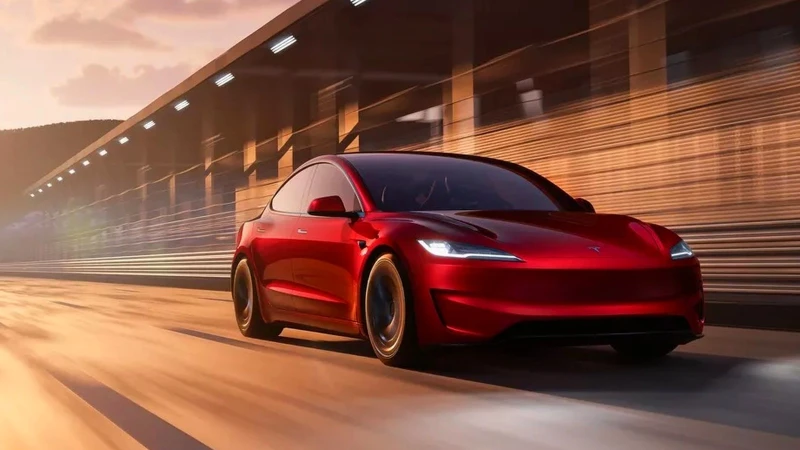
At first glance, electric vehicles look like the ultimate answer to cleaning up our air — no tailpipe, no problem. Dig deeper, though, and the real enemy isn’t exhaust fumes. It’s the invisible cloud of ultra-fine particles coming from brakes and tires. EVs are significantly heavier thanks to their battery packs, and that extra mass means more energy is needed to slow them down — even with regenerative braking — leading to higher levels of harmful microscopic dust that can penetrate deep into human lungs.
What Exactly Is in That Dust?
Researchers at the University of Southampton categorized brake pad materials into four types: low-metallic, semi-metallic, organic (NAO — non-asbestos organic), and ceramic. The surprising finding? Organic and ceramic pads — the ones most commonly fitted to modern EVs — release the highest amounts of toxic copper fibers. These particles, often smaller than 2.5 micrometers (PM2.5), are strongly linked to increased risks of lung cancer, asthma, and chronic respiratory disease.
How Do EVs Compare to Diesel Cars?
Counterintuitively, some modern diesel vehicles can actually produce fewer of these non-exhaust particles in urban driving, thanks to their lighter weight and the fact that regenerative braking isn’t stealing stopping power from traditional friction brakes as aggressively. That doesn’t make diesel “clean,” but it highlights that swapping millions of gas and diesel cars for heavier EVs could unintentionally shift — rather than solve — local air-quality problems.
- Electric vehicles are not truly zero-emission when non-exhaust sources are counted;
- Brake and tire wear generate toxic microscopic particles;
- Mass EV adoption demands urgent new safety and materials standards.
This study is a sobering reminder that every technology has trade-offs. EVs still slash CO₂ and tailpipe pollution dramatically, but ignoring brake and tire particulate emissions would be a mistake. The race is now on for next-generation low-dust brake materials and lighter battery tech to make electric cars as clean in the real world as they look on paper.