But let’s be honest—the biggest factor in fuel economy is still the person behind the wheel. Even the most advanced vehicle can guzzle more than necessary if driven carelessly.
Less Weight Means Lower Costs
Start with the basics. Everything you carry in the trunk “just in case” directly impacts fuel use. The heavier the car, the more energy it needs to accelerate and maintain speed. This applies to electric vehicles too, which already have substantial battery weight.
Roof racks are another culprit. If you need one, choose the most aerodynamic design possible. Even an empty roof box significantly worsens drag and increases consumption, especially on the highway.
Tires Matter More Than You Think
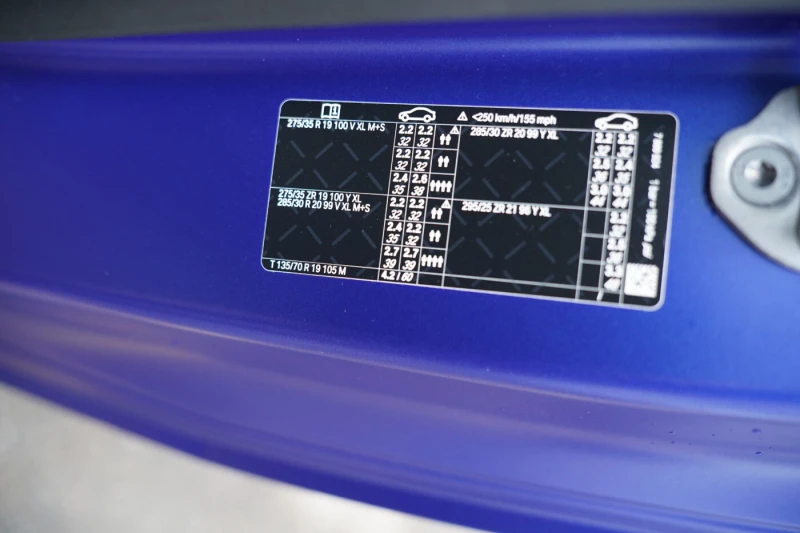
Tire condition and pressure are among the most overlooked factors. Underinflated tires increase rolling resistance, forcing the engine or electric motor to work harder.
The basic rules are straightforward:
- follow the manufacturer’s recommended pressures;
- increase pressure by 3–6 psi when fully loaded;
- always check pressure before a long trip.
It saves fuel and improves safety.
Short Trips Are Wallet Killers
This is especially true for gas-powered cars. Until the engine reaches operating temperature, fuel consumption can easily top 20 mpg in city driving. That’s why frequent short trips hit your budget hard.
Electric vehicles have the edge here: no traditional warm-up phase means efficiency stays high even on short drives.
The Gas Pedal Is Your Main Fuel Regulator
Aggressive starts, hard braking, and racing from stoplights are guaranteed ways to burn more fuel. Even though many EVs offer instant acceleration, constantly flooring it reduces range and wears tires faster.
The most efficient driving style is smooth and predictable. Modern automatics in Eco mode shift at optimal points, and cruise control on the highway maintains steady speed.
Quick Highway Tip
When you’re not in a rush, setting cruise control to 60–65 mph noticeably lowers consumption compared to 75–80 mph. The time difference is small, but the fuel savings are real.
In the end, it comes down to this: technology assists, but the driver ultimately decides whether a trip is economical or expensive.