


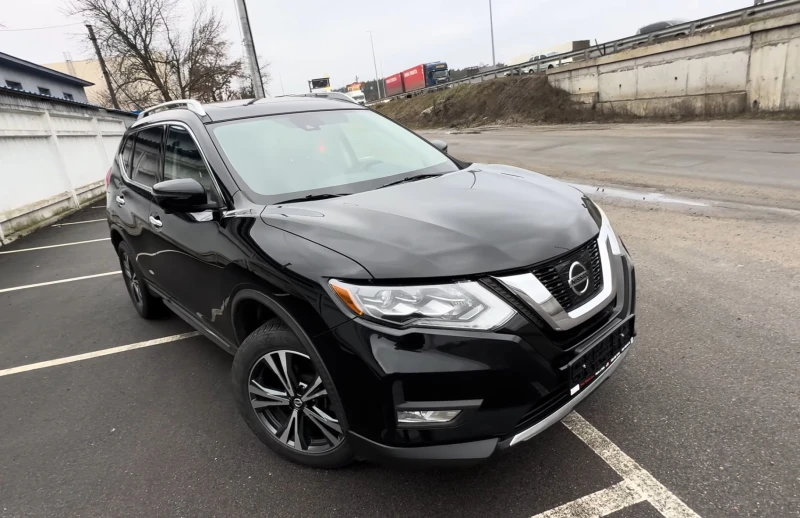
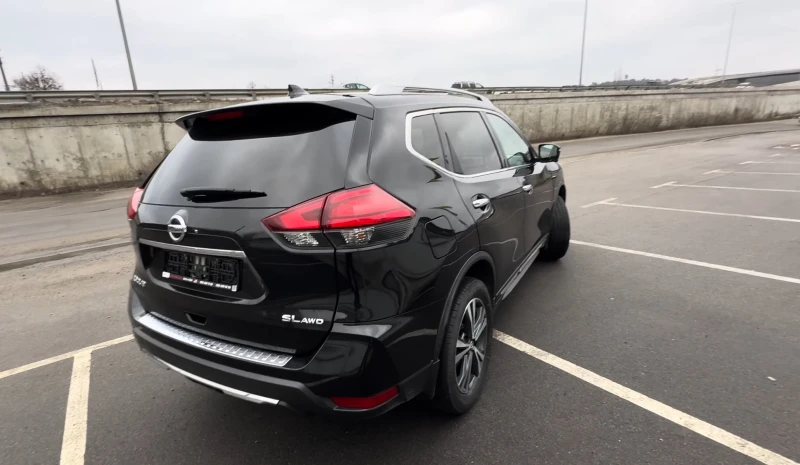
This model, frequently imported from its home market or purchased locally, blends proven reliability with everyday practicality. In this guide, we break down the engines, transmissions, dimensions, and other key specs of the 2013–2020 Nissan Rogue. Understanding these details helps buyers know exactly what to expect from this popular compact crossover on American roads. Exterior design, interior features, trim levels, and common issues are covered in other articles in this series.
Engines and Transmissions
The second-generation Nissan Rogue (2013–2020) offered a range of powertrains tailored to different preferences. In the United States, the vast majority of examples feature the 2.5-liter gasoline engine. European-spec X-Trail variants with diesels or smaller turbo engines are rare in the US market. Key combinations are shown in the table below.
| Engine | Type/Displacement | Power | Transmission | Drivetrain |
|---|---|---|---|---|
| QR25DE (gasoline) | Naturally aspirated, 2.5 L | 170–176 hp | CVT (Xtronic) | FWD / AWD |
| DIG-T (gasoline) | Turbocharged, 1.6 L | 163 hp | 6MT / CVT | FWD / AWD |
| dCi (diesel) | Turbocharged, 1.6 L | 130 hp | 6MT / CVT | FWD / AWD |
| dCi (diesel) | Turbocharged, 2.0 L | 177 hp | CVT / 7DCT | AWD |
| Hybrid | Gasoline 2.0 L + electric motor | 176 hp (combined) | CVT | FWD / AWD |
The primary engine for US-market Rogue models is the 2.5-liter naturally aspirated QR25DE gasoline unit, producing 170 hp before the 2017 facelift and 176 hp afterward. Peak torque is around 175 lb-ft. It pairs exclusively with the smooth Xtronic CVT that simulates 7 ratios for improved driving feel. Drivetrain options include front-wheel drive (FWD) or all-wheel drive (AWD with intelligent All-Mode 4x4-i system). European X-Trail versions offered turbo 1.6L gasoline (163 hp) and diesel options (1.6L & 2.0L), often with a 6-speed manual or CVT. The hybrid variant arrived in 2017, combining a 2.0L gasoline engine with an electric motor for better fuel efficiency.
Dimensions and Weight
The dimensions of the Nissan Rogue II are largely consistent across versions, with minor differences depending on trim and market. It belongs firmly in the compact crossover segment, delivering a spacious cabin and cargo capacity from 39.3 to 70.0 cu ft. Below are the main specs for the typical US-market 2.5L gasoline versions.
| Parameter | Value (for 2.5L gasoline CVT) | Value (for reference diesel 1.6L 6MT) | Drivetrain/Transmission |
|---|---|---|---|
| Length | 182.9 in | 182.9 in | FWD/AWD, CVT/6MT |
| Width | 72.4 in | 72.4 in | FWD/AWD, CVT/6MT |
| Height | 67.5 in | 67.5 in | FWD/AWD, CVT/6MT |
| Wheelbase | 106.5 in | 106.5 in | FWD/AWD, CVT/6MT |
| Curb Weight | 3,400–3,640 lb | 3,300–3,530 lb | FWD/AWD, CVT/6MT |
| Gross Vehicle Weight | 4,400–4,750 lb | 4,300–4,630 lb | FWD/AWD, CVT/6MT |
Ground clearance is approximately 8.2–8.4 inches, making it well-suited for typical American roads and light off-road use. Weight varies by drivetrain and equipment: AWD versions are usually 100–200 lb heavier. Real-world fuel economy (based on owner reports and sites like Fuelly and EPA feedback): for the 2.5L gasoline – city 22–25 mpg, highway 28–32 mpg, combined 25–28 mpg; lighter European diesel variants achieve noticeably better figures but are uncommon in the US.
Yearly Updates
The second-generation Nissan Rogue debuted as a 2014 model year vehicle in 2013, receiving a significant facelift for 2017. Pre-facelift 2.5L engines made 170 hp, while post-2017 versions bumped output to 176 hp through improved fuel injection and reduced internal friction. The Xtronic CVT was refined for greater durability and smoother operation. In some markets, a 177-hp 2.0L diesel and optional 7-speed dual-clutch transmission appeared in 2016. The hybrid variant (from 2017) offered improved efficiency but remained relatively rare. The AWD system received tweaks for better torque distribution. Post-facelift models (2017–2020) are particularly sought after in the used market for modern driver aids like available ProPILOT Assist (adaptive cruise with lane centering), though not standard on base trims.
Key Things to Know Before Buying
When owning or shopping for a 2013–2020 Nissan Rogue in the United States, several technical points are worth considering. The 2.5L QR25DE gasoline engine is generally very durable, frequently exceeding 300,000 miles with regular oil changes (every 5,000–7,500 miles recommended). The CVT is sensitive to overheating, especially in heavy traffic or hot climates – many owners install an auxiliary cooler (~$200–$400). AWD system is reliable overall, but inspect the rear differential coupling during pre-purchase checks. Parts availability is excellent: genuine Nissan components are widely stocked, while quality aftermarket options from brands like Bosch, KYB, and Denso are much more affordable (oil filter ~$8–15). Watch for potential corrosion on vehicles from northern states with salted roads, and check suspension condition (shocks/struts ~$100–200 each aftermarket). Real-world city fuel consumption often runs 1–3 mpg below EPA estimates. A thorough pre-purchase inspection at a trusted shop – especially of the CVT and AWD components – is highly recommended.
Summary
All things considered, the technical specifications of the Nissan Rogue II make it a very well-rounded choice for American drivers. The sweet spot is usually the post-2017 2.5L gasoline engine (176 hp), Xtronic CVT, and AWD. This combination delivers a nice balance of power (0–60 mph in ~9–10 seconds), respectable fuel economy (combined 25–28 mpg), and confident all-weather capability. Approximate used market prices for clean examples typically range from $8,000–$18,000 depending on year, mileage, and condition (as of 2025–2026 market). Maintenance costs remain reasonable (routine service ~$300–$500), and resale value holds up well due to strong demand. If maximum fuel savings are the priority and you find a rare hybrid or diesel import, they can be more efficient – but parts and service may be more challenging. For mostly city driving, the FWD version keeps things simple and economical. Overall, the Rogue II remains a practical, family-friendly crossover that suits everyday life across the United States.