


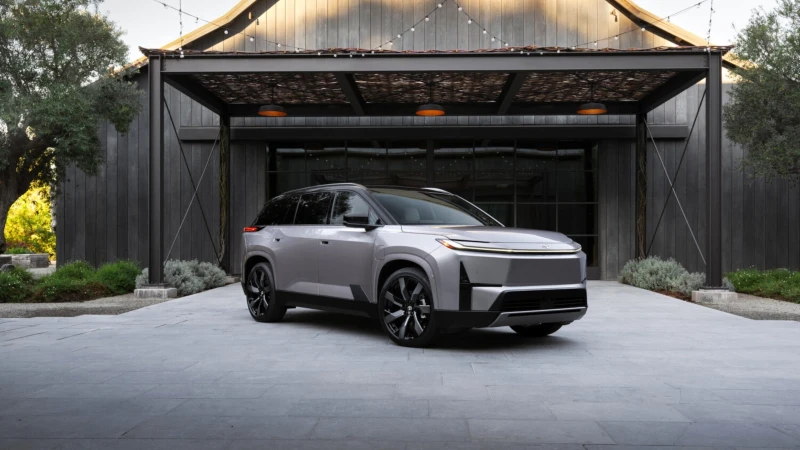
The new generation of the vehicle marks an important milestone in the model's development — for the first time, the Highlander transitions to a fully electric powertrain. This change reflects the industry's overall shift toward reducing emissions and expanding the lineup of electric vehicles, particularly in the segment of large family crossovers.
Shift from Hybrid to Electric Power
Previously, the Toyota Highlander was primarily offered with a hybrid system that combined a gasoline engine and an electric motor. The new version completely eliminates the internal combustion engine and adopts an electric platform designed for high-capacity battery packs. This approach reduces operating costs, simplifies maintenance, and provides quieter operation of the powertrain.
Buyers will have access to several drive options. Base versions come with front-wheel drive, while more powerful variants offer all-wheel drive with an additional electric motor on the rear axle. This configuration enhances road stability and improves handling in challenging conditions.
Batteries and Range
The new Highlander features batteries of varying capacities, allowing for the selection of the optimal variant based on usage needs. Key specifications include:
- a 77 kWh battery with a range of up to 462 km for the front-wheel-drive version;
- an all-wheel-drive version with the same battery, capable of covering about 435 km;
- an enlarged 95.8 kWh battery with a maximum range of up to 515 km.
These figures position the Highlander as a competitive option among large electric SUVs aimed at family use and long-distance travel.
Seven-Seater Interior and New Technologies
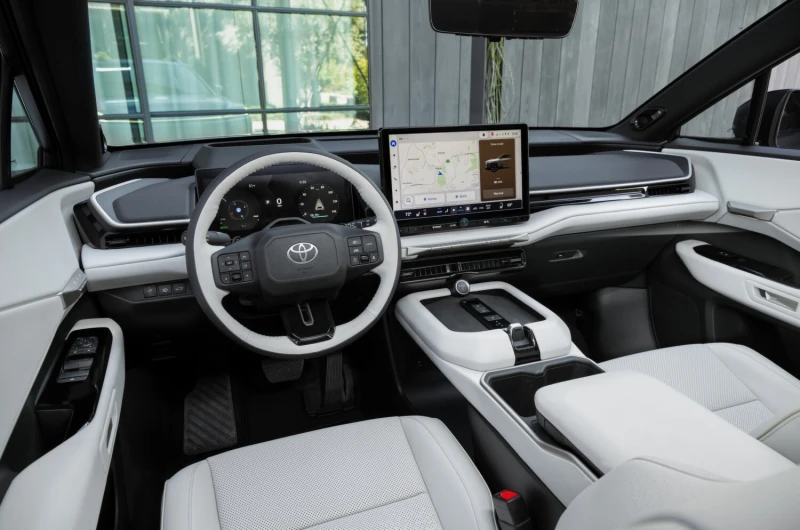
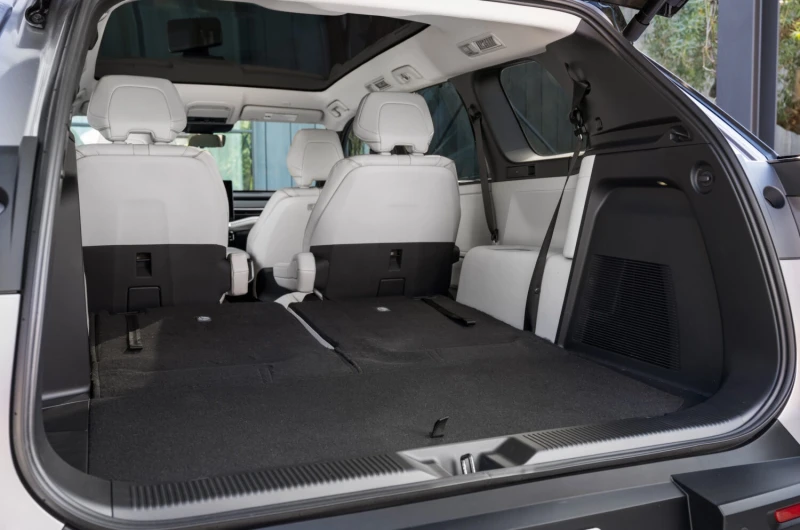
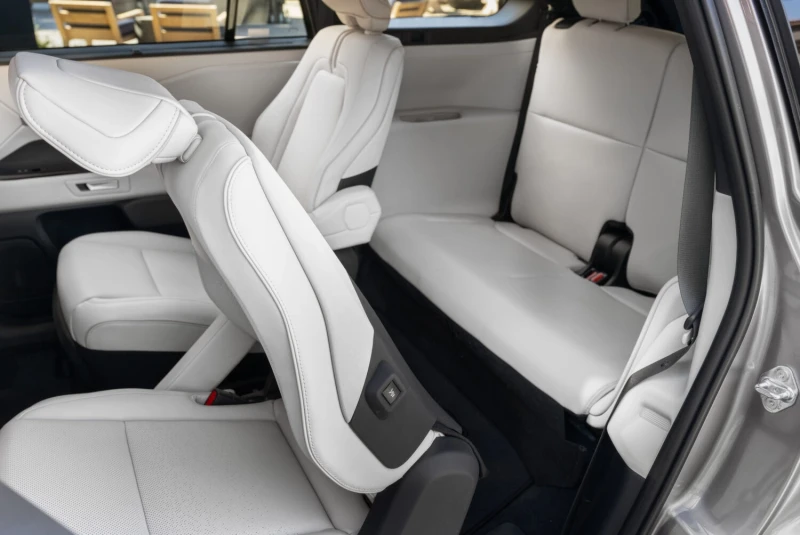
One of the key features of the Highlander remains its spacious interior, designed to accommodate up to seven passengers. The body structure and extended wheelbase provide ample space for all rows of seats, including the third row.
The vehicle is equipped with modern driver assistance and safety systems. Standard equipment includes adaptive cruise control, lane-keeping assist, automatic road sign recognition, and emergency braking. Systems for detecting pedestrians, cyclists, and other road users are also included.
Design and Model Positioning
The new Highlander features an updated exterior with sharper body lines and modern lighting elements. The electric architecture has optimized the layout of internal components, positively impacting interior space and ease of use.
The model targets buyers who need a spacious family vehicle with modern technologies and electric drive. Amid the gradual phase-out of traditional engines, such vehicles become a significant part of manufacturers' strategies.
Role of Highlander in Toyota's Lineup Development
The Highlander's transition to electric propulsion demonstrates Toyota's commitment to expanding its range of electric vehicles across various segments. While electric versions were previously offered mainly for compact models, electric technologies are now extending to large family SUVs.
This enables the manufacturer to strengthen its market position, where demand for electric vehicles continues to grow, and buyers increasingly consider electric options as alternatives to traditional cars.
Summary
The new generation Toyota Highlander represents a significant step in the model's evolution. A fully electric powertrain, multiple battery options, all-wheel or front-wheel drive, and a spacious seven-seater interior make the vehicle a modern representative of the family SUV segment. The shift to electric power reflects broader trends in the automotive industry and expands choices for buyers focused on electric vehicles.