On paper the plan looked promising. Today’s reality is more straightforward: production of several models has already stopped while inventory continues to weigh on dealers. To move the less popular electric models, the brand has been forced to implement significant price reductions.
When Strategy Outpaces Practicality
The assumption was straightforward: premium customers would want premium electric vehicles. In practice, even loyal brand enthusiasts have been reluctant to switch from proven diesel and gasoline models to heavy, expensive electric crossovers with modest range—especially when the price approaches that of a luxury home.
The technology itself is not at fault. The issue is that Mercedes positioned these vehicles as the default future rather than a conscious choice. The market has responded clearly, showing that many customers are not yet ready to abandon conventional powertrains.
Generous Discounts
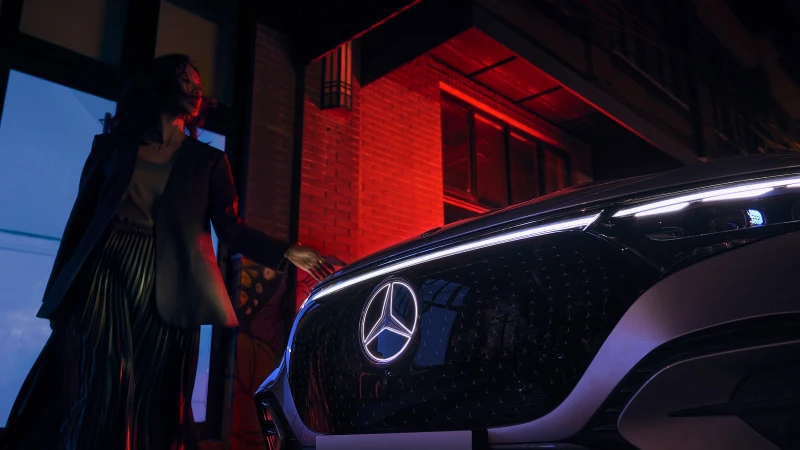
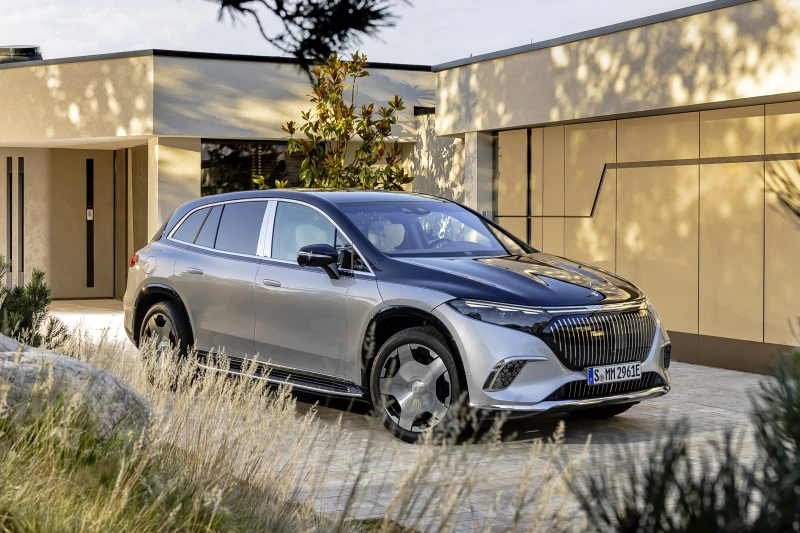
A clear example is the Mercedes-Maybach EQS 680. Current discounts reach approximately 46,000 euros, in addition to prior incentives that together exceed 70,000 euros. For a model of this stature, the move goes beyond a routine promotion and signals a serious softening of demand.
Other EQ models have also received adjustments. Discounts on the EQB, EQE and their crossover variants range from approximately 6,400 to 9,600 euros depending on specification. The electric version of the iconic G-Class has been offered a credit of around 4,600 euros. Officially described as a response to “market conditions,” the measures are intended to improve the attractiveness of the lineup.
Why Buyers Remain Hesitant
The reasons are practical:
- high launch prices—even the prestige of the three-pointed star has limits;
- practical compromises in weight, aerodynamics, efficiency and charging infrastructure dependence;
- competitors that sometimes deliver a more balanced combination of price, range and technology.
Premium customers pay for more than a badge; they seek confidence in the purchase. When substantial discounts appear shortly after launch, questions about value inevitably arise.
The Road Ahead
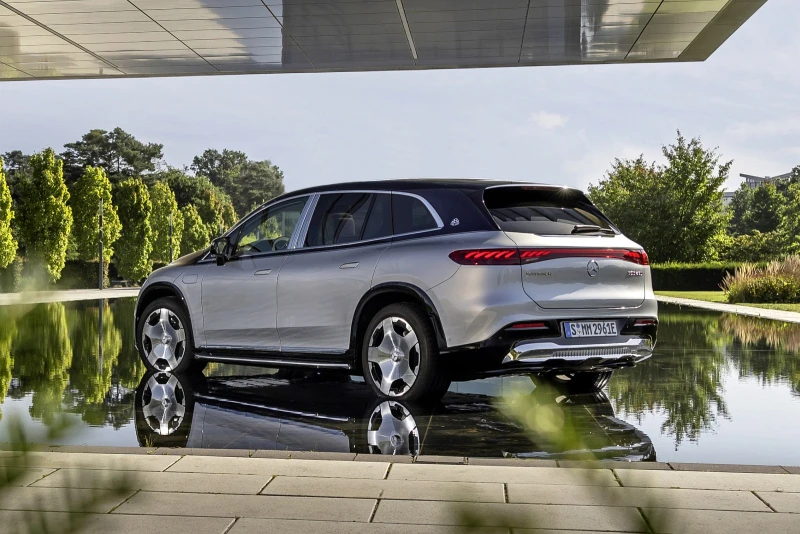
Mercedes appears to be quietly reassessing its electric-vehicle strategy. Some models are likely to exit without direct successors, while future generations are expected to focus more on rationality and real-world customer needs rather than conceptual targets.
The episode offers a broader industry lesson: even a century-old manufacturer can misjudge timing when accelerating toward the future. Electric vehicles are here to stay, but they must still prove their everyday practicality and value beyond serving as a technological statement.