




The company plans to lay off about 18% of its employees, continuing a cost-cutting program after substantial financial losses. The decision comes amid weak sales, a growing inventory of unsold vehicles, and the need to secure funding for continued operations.
Second Round of Cuts This Year
This is not Lucid's first workforce restructuring in 2026. The company cut about 12% of its staff in February, while the latest round will affect nearly another fifth of its employees. Altogether, approximately 2,500 people from the original workforce of 9,000 could lose their jobs this year.
According to documents filed with the U.S. Securities and Exchange Commission, layoff and severance costs are estimated at approximately UAH 32 million. The measures are expected to generate annual savings of about UAH 158 million. For a company that continues to post substantial losses, the cuts are a way to reduce operating expenses and extend its financial runway.
Losses Remain the Main Concern
Lucid ended last year with losses equivalent to approximately UAH 58 billion. The company recorded another UAH 21 billion in losses during the first quarter of 2026. Management previously said its available liquidity could last until around mid-2027 if conditions do not change.
After his appointment, new CEO Silvio Napoli spoke about the need for stricter cost controls but did not disclose specific measures at the time. It is now clear that reducing the workforce is one of the central elements of the company's turnaround plan.
Production Is Outpacing Demand
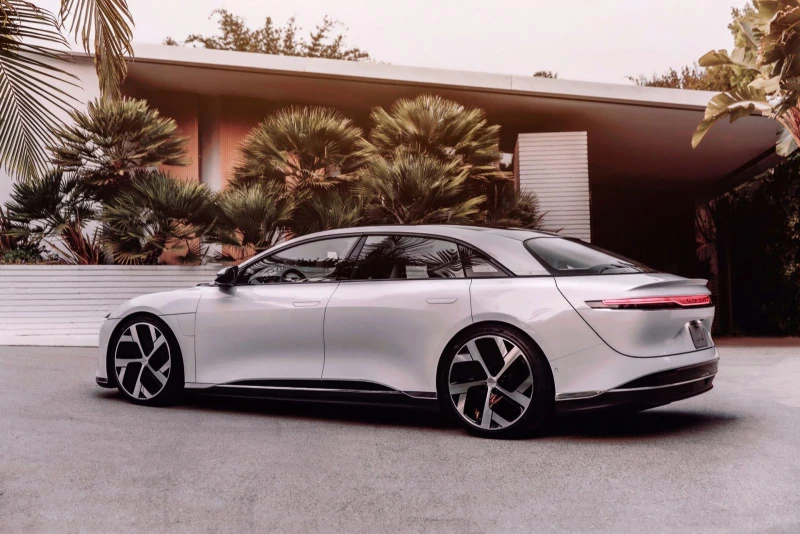
Lucid's financial difficulties stem not only from high expenses but also from the gap between production and actual sales. The company built about 5,500 vehicles in the first quarter but delivered only 3,093 to customers. A similar situation was recorded at the end of last year.
As a result, the company has accumulated more than UAH 30 billion worth of vehicles in inventory. Selling this stock typically requires discounts, special financing terms, or additional marketing spending. That puts pressure on margins and makes sustainable profitability more difficult to achieve.
Questions About Model Quality
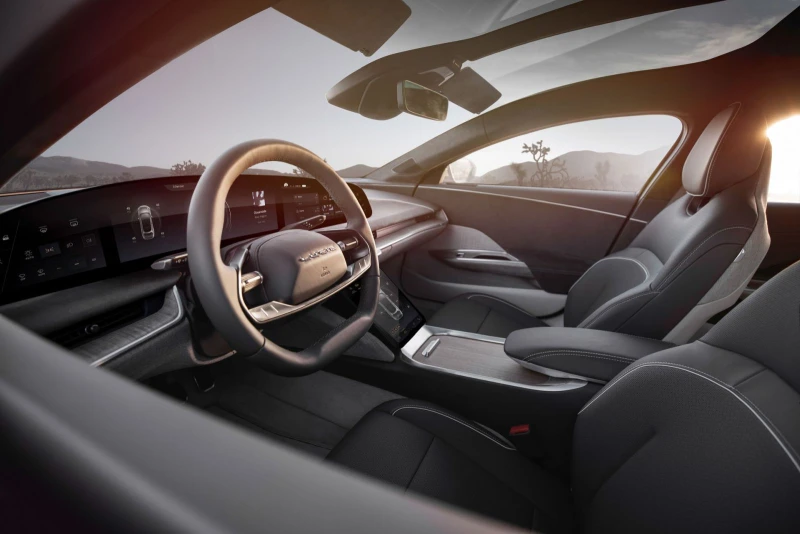
Reports of quality problems affecting the Lucid Air and Lucid Gravity have created another challenge for the brand. Owner and technology reviewer Jason Fenske has publicly discussed issues he encountered while using both models. Some involved the vehicles' electronics and systems, while resolving certain problems required multiple service visits.
Reputation is especially important for a young brand. Lucid competes in the premium segment, where buyers expect not only strong performance but also consistent build quality, reliability, and high-quality service support.
Betting on a New Crossover
One of the company's main hopes is the upcoming Lucid Cosmos crossover, which is expected to debut in late 2026. The model is intended to enter a segment that already includes the Tesla Model Y and the forthcoming Rivian R2. A more affordable, higher-volume vehicle could help Lucid reach customers beyond the market for expensive sedans and large SUVs.
The company's future will depend on demand for its new models, its ability to cut costs, and continued support from key investors. For now, Lucid is restructuring its business in the hope that upcoming projects can deliver more stable sales.