


In the U.S. used SUV market in 2026, the Kia Sorento II remains a solid, affordable choice for buyers needing a seven-passenger vehicle. Below, we break down the cabin design of the second-gen Sorento, typical trim levels, design evolution after the 2012 refresh, and real-world owner feedback from sites like Edmunds and owner forums.
Overall Cabin Overview
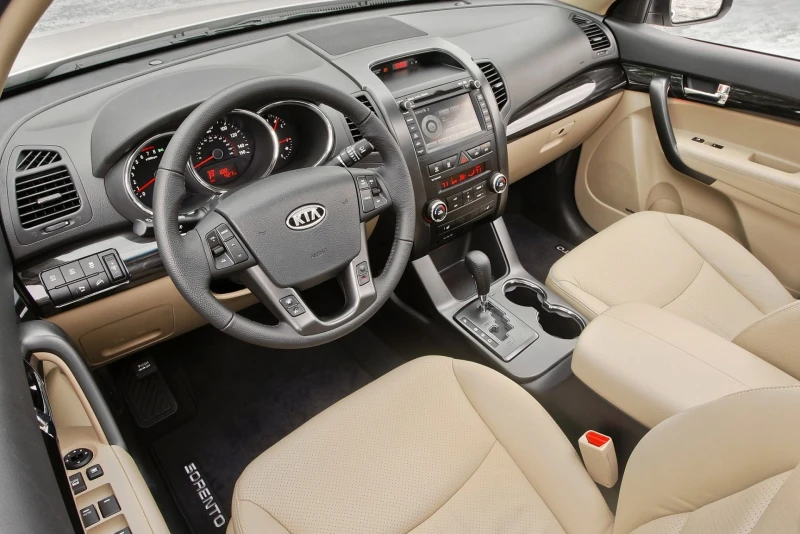
The Kia Sorento II interior uses a horizontal dashboard design with two distinct levels: the upper portion for decorative trim and air vents, and the lower section housing the infotainment and climate controls. The center console is angled toward the driver for easier access. Base models feature hard plastics and cloth upholstery, while higher trims upgrade to leather seating surfaces, soft-touch materials, and woodgrain or aluminum accents. Build quality is respectable for the class, with tight panel gaps and durable materials overall, although some owners note that lower hard plastics can develop squeaks over time.
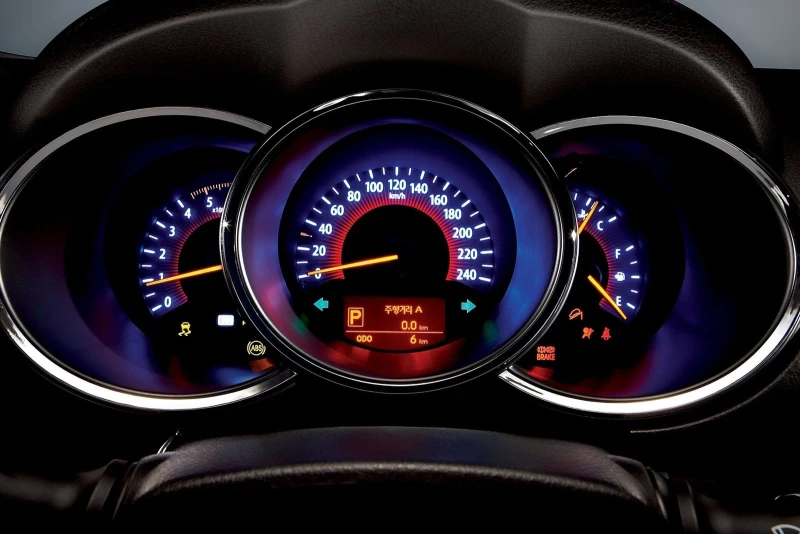
The instrument cluster is analog with a small monochrome trip computer display (up to 4.2 inches in higher post-refresh models). Infotainment includes a 7-inch touchscreen in many versions, with navigation available on premium trims. Driver ergonomics are strong: the steering column adjusts for reach and tilt, front seats offer good adjustability (power in higher trims), and pedal placement reduces fatigue on long drives.
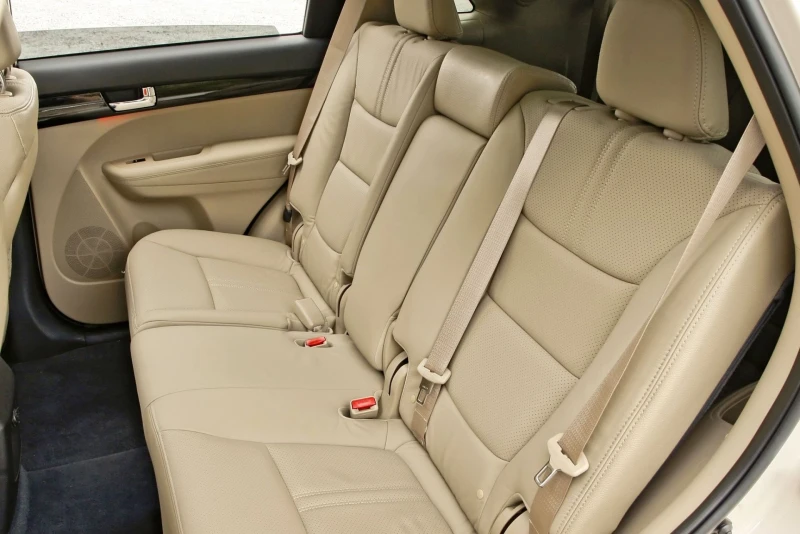
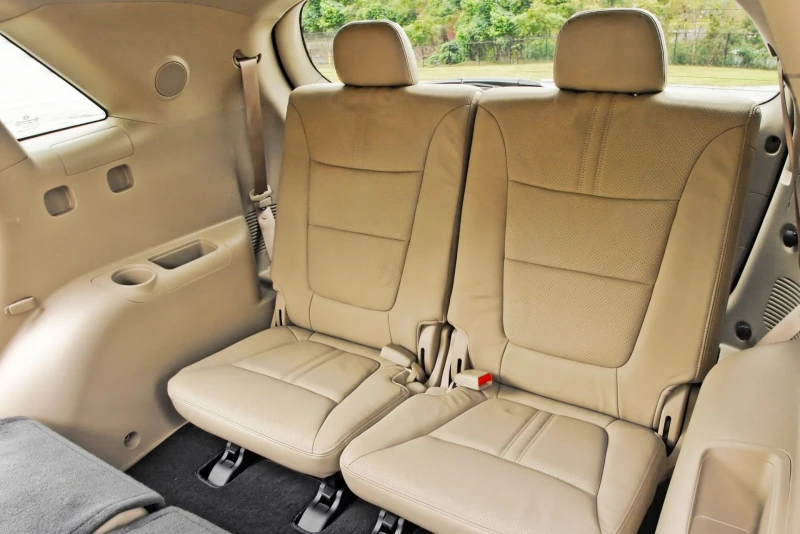
Front seating is comfortable with supportive bolstering and generous space—roughly 41 inches of legroom and 58 inches of shoulder room. The second row accommodates three adults reasonably well with about 37 inches of knee room and 38.5 inches of headroom, though the middle passenger sits higher due to the center tunnel. The optional third row is best for kids or short trips, offering limited space (around 28 inches of knee room). Forward visibility is good, but thick pillars can obstruct side views; higher trims include a helpful rearview camera.
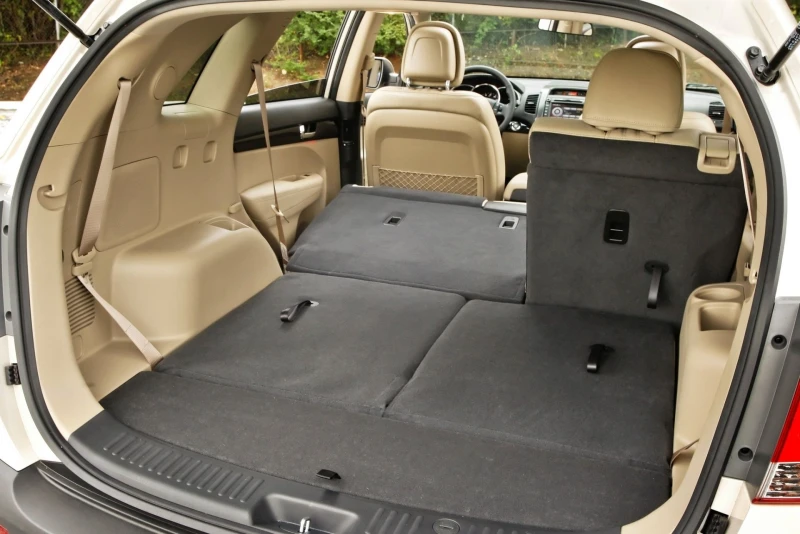
Cargo capacity starts at approximately 17.4 cubic feet behind the third row (in seven-seater setups) and expands to 72.5 cubic feet with the rear seats folded (40/20/40 split on the second row). The flat load floor, low liftover height, and full-size spare under the floor add practicality. Everyday usability is high thanks to numerous storage cubbies, though the lack of modern features like wireless charging reflects its age.
Trim Levels on the U.S. Market
On the used market, these are the most common equipment levels for the Kia Sorento II (XM):
| Trim Level | Typical Years | Interior Materials | Infotainment | Climate Control | Key Features |
| LX / Base | 2009–2012 | Cloth, hard plastic | CD/MP3 audio system | Single-zone | Cruise control, heated front seats, 17" wheels |
| EX | 2010–2014 | Cloth + leather, soft-touch inserts | 7" screen with navigation | Dual-zone | Rearview camera, parking sensors, heated steering wheel, 18" wheels |
| SX / Premium | 2012–2014 | Leather, woodgrain accents | 7" screen with Bluetooth | Dual-zone | Panoramic sunroof (optional), electronic stability control, tire pressure monitoring, 19" wheels |
EX and SX trims are particularly common, especially those officially imported or well-equipped from 2011–2013. The panoramic sunroof was a rare option reserved for top models. Driver aids like stability control became more prominent after the 2012 refresh, along with AWD availability suited for varied weather conditions across the country.
Yearly Changes and 2012 Refresh
Interior updates to the Kia Sorento II came gradually, with the most significant changes in 2012. Early 2009–2011 models had basic materials, cloth or leather seating, analog gauges, and smaller audio screens. By 2011, features like rear heated seats in higher trims and improved door soundproofing were added.
The 2012 facelift introduced a revised center console with a larger 7-inch display, softer plastics, additional trim accents, and expanded color options (black, beige, gray). Sound insulation was enhanced with extra padding in the engine bay and wheel wells, reducing road noise. Infotainment gained Bluetooth and navigation, while the instrument cluster offered an optional 4.2-inch screen. These updates made the cabin feel noticeably more modern and refined.
In 2013–2014, minor additions like extra USB ports appeared in top trims. Post-refresh models (2012–2014) generally command higher prices on the used market due to better material durability, fewer squeaks, and a quieter ride—often 10–15% more than pre-refresh examples.
Common Questions and Cabin Drawbacks
Here are the most frequently mentioned interior characteristics and issues for the 2009-2014 Kia Sorento on the U.S. used market:
- Material wear: Leather in EX and SX trims holds up well but can fade in strong sunlight after 5–7 years; base cloth seats attract dirt easily;
- Weak points: Center console plastics scratch easily, door handles show wear from frequent use;
- Noise issues: Pre-2012 models can have more squeaks from door panels on rough roads; post-refresh versions are quieter, though tire noise on highways remains noticeable;
- Rear seating comfort: Adequate space for most, but the third row is tight for adults; temperature control benefits from good heating in colder climates;
- Visibility: Thick A-pillars limit side views, but the rear camera helps; it can get dirty in wet conditions;
- Maintenance: Light-colored interiors require regular cleaning, especially from road salt in winter; professional detailing helps preserve materials.
Most issues are more pronounced in vehicles driven extensively on rough roads or without consistent interior care.
Final Thoughts and Relevance Today
By 2026, the Kia Sorento II interior (particularly 2012 and newer examples) appears dated next to current SUVs with larger touchscreens and more digital features. However, it still offers solid build quality, comfortable ergonomics, and family-friendly practicality that competes well with other midsize SUVs from the 2010s era.
The best value on the U.S. market tends to be well-maintained EX models from 2012–2014, featuring leather upholstery, dual-zone climate control, a 7-inch infotainment system, and heated seats. Approximate market prices for these range from $7,000 to $10,000. They deliver excellent practicality without the premium of SX trims, where options like the panoramic roof and extra features add cost but may not always justify the markup for every buyer.
When shopping for a used Sorento, focus on:
- Condition of leather and plastics (no excessive cracking or fading);
- Full functionality of the infotainment system (navigation, Bluetooth);
- Absence of dashboard squeaks or signs of improper repairs;
- Cleanliness and condition of light-colored trim and carpets;
- Proper operation of seat heaters and climate control.
The cabin remains one of the Kia Sorento's strongest points for budget-conscious buyers looking for a capable seven-seater SUV under $12,000–$13,000.