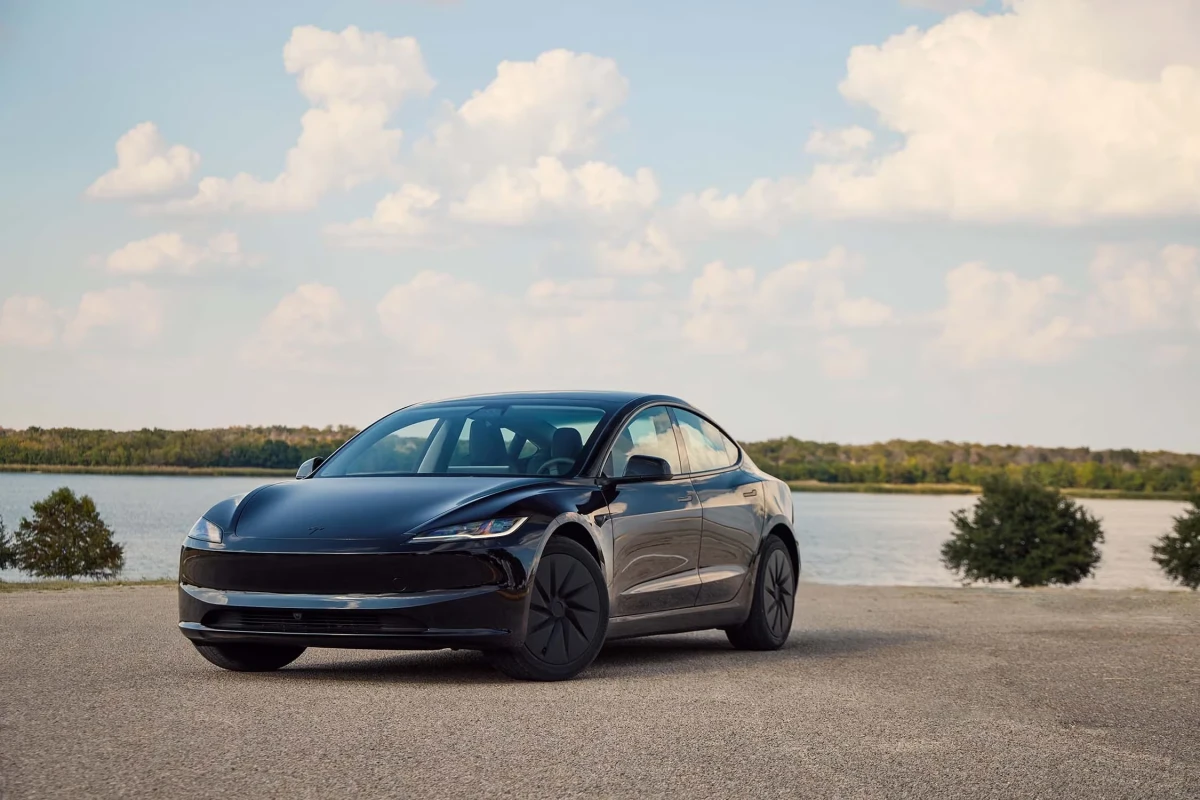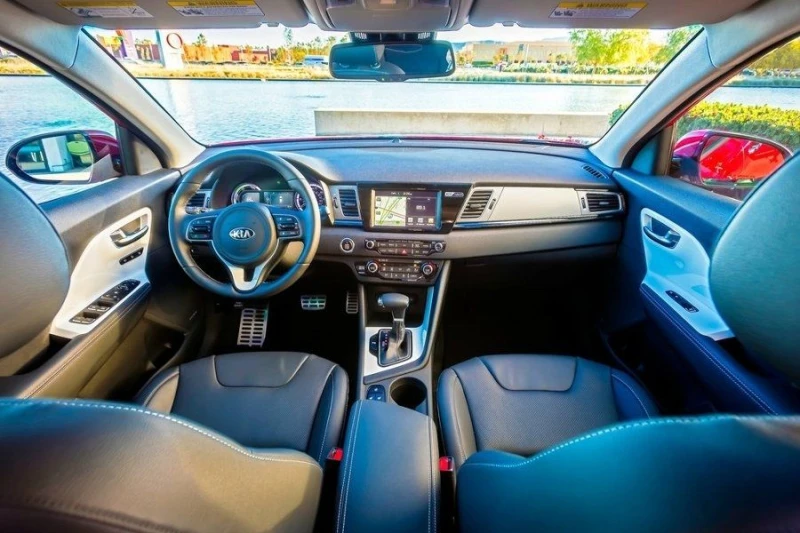
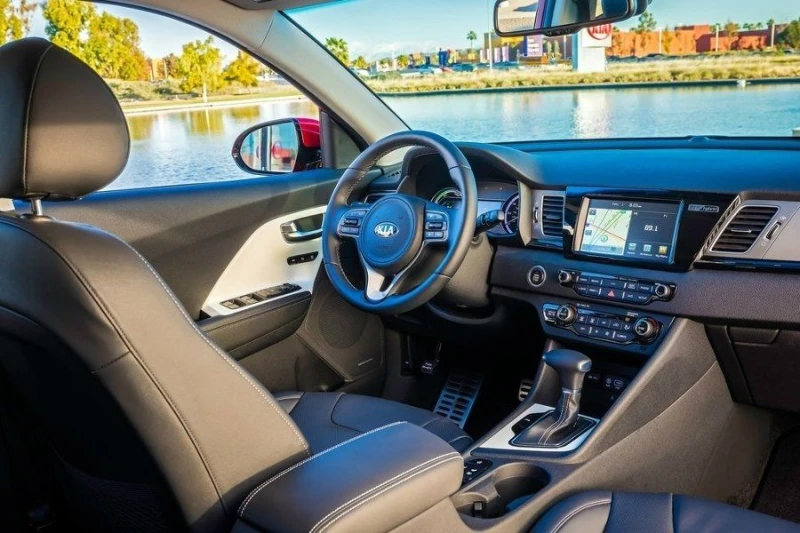
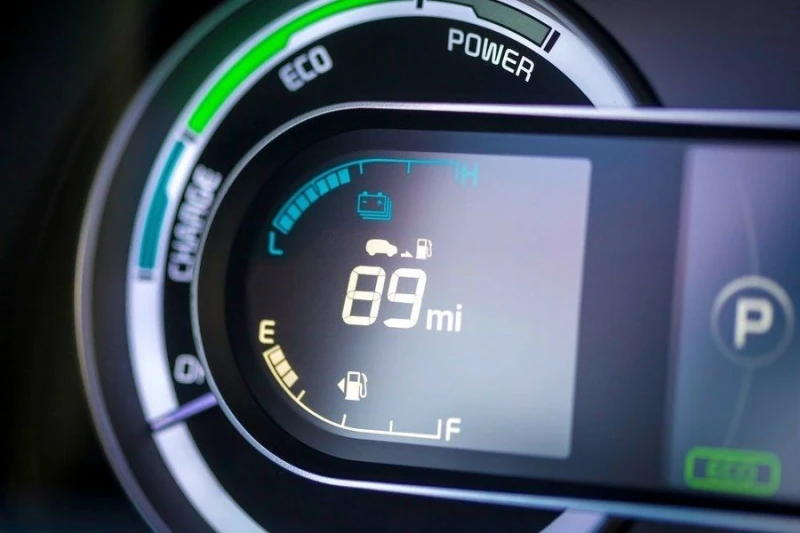
The first-generation Kia Niro (DE), sold in the United States for the 2017 through 2022 model years, has a straightforward, driver-focused cabin typical of Kia's electrified models from that period. Early U.S.-market versions generally use a 7-inch touchscreen, while the 2020 refresh introduced an 8-inch standard display and an available 10.25-inch navigation screen. Depending on trim and powertrain, the instrument panel ranges from a 4.2-inch color information display between conventional gauges to a 7-inch TFT Supervision cluster. The multifunction steering wheel uses familiar physical controls rather than touch-sensitive panels.
Entry trims rely on durable cloth upholstery and a greater amount of hard plastic. Higher trims add leatherette or leather seating surfaces, soft-touch sections on the upper dashboard, metallic-look accents and gloss-black trim. Fit and finish are generally tidy, although squeaks and rattles can develop as a used vehicle ages. Later U.S. models use an acoustic windshield, but tire and road noise can still be noticeable on coarse concrete or asphalt.
The driving position is easy to adjust, with a tilt-and-telescoping steering column and, on selected upper trims, a power driver's seat with lumbar adjustment. Heated and ventilated front seats are available on certain high-spec versions, but memory seating was not a defining feature of the first-generation U.S. Niro. The seating position is slightly elevated without feeling like a tall SUV. Rear-seat space is useful for the class, the center tunnel is low, and two adults fit comfortably; taller passengers may find the lower cushion a little short on long trips.
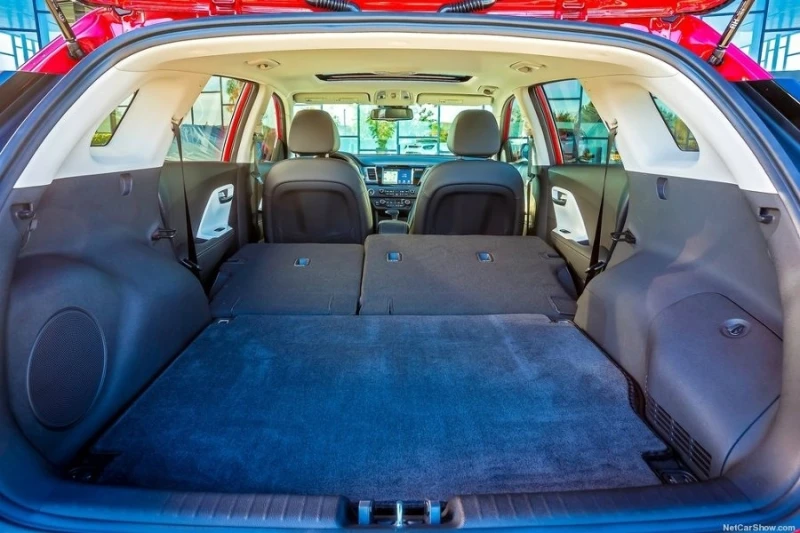
For U.S.-spec HEV and PHEV models, Kia lists 19.4 cu. ft. of cargo room behind the rear seats and 54.5 cu. ft. with them folded when the underfloor tray is installed; removing the tray increases those figures to 22.4 and 63.2 cu. ft. The Niro EV provides 18.5 cu. ft. behind the rear seats and 53.0 cu. ft. with them folded. The 60/40-split rear seatbacks create a nearly flat load floor. Cabin practicality is good, with cupholders, small-item storage, USB connectivity and available wireless phone charging, although the cargo floor is relatively high and the rear opening is not especially tall.
U.S. Versions and Trim Levels
On the U.S. used-car market, first-generation Kia Niro listings appear under several trim structures because the names changed by model year and powertrain. The following groups reflect the most common configurations; equipment should always be confirmed by VIN or window sticker.
| Trim group | Seat and cabin trim | Infotainment and gauges | Climate and comfort | Driver assistance and safety | U.S.-market notes |
|---|---|---|---|---|---|
| Entry: HEV FE or LX; PHEV LXS; EV EX | Primarily cloth upholstery, dark cabin trim and more hard-touch surfaces | 7-inch screen on early cars or 8-inch screen on later HEV models; 4.2-inch cluster on many HEV and PHEV trims, 7-inch TFT on the EV | Automatic climate control on many versions; manual front seats on most entry HEV models | Rearview camera and core stability systems; driver-assistance content varies significantly by year | Names and standard equipment differ between HEV, PHEV and EV models |
| Mid-level: HEV EX, LXS or LXS Special Edition; PHEV EX | Cloth or leatherette upholstery, upgraded dashboard and door trim | 7- or 8-inch display, with a 10.25-inch navigation unit on selected later configurations; larger driver display on some trims | Power driver's seat, heated front seats and a heated steering wheel on selected versions | Available blind-spot monitoring, rear cross-traffic alert and expanded Kia Drive Wise features | Often the strongest balance of equipment and used-market value |
| Upper: HEV Touring, Touring Special Edition or EX Premium; PHEV EX Premium; EV EX Premium | Leather or leatherette upholstery, gloss-black or metallic-look accents | 7-inch TFT cluster, 8- or 10.25-inch navigation screen and Harman Kardon audio on selected trims | Available heated and ventilated front seats, power sunroof and additional cabin lighting | Broader driver-assistance package, with exact functions depending on model year and powertrain | Touring names apply mainly to the HEV; PHEV and EV models use different trim labels |
The conventional hybrid is the most common first-generation Niro in U.S. listings, while the PHEV and EV are less numerous and can be concentrated in states where they were originally marketed. Used examples are typically listed on Autotrader, CarGurus and Cars.com. Apple CarPlay and Android Auto are widely available, but connection type depends on the head unit: some late 8-inch systems support wireless integration, while the 10.25-inch navigation system uses a wired connection. All U.S.-market first-generation versions are front-wheel drive.
Interior Changes by Model Year and the 2020 Refresh
This generation is now complete. The main U.S.-market cabin changes were:
- 2017–2019: launch-period HEV models, followed by the PHEV for 2018 and the EV for 2019; a 7-inch touchscreen was common, with larger navigation systems and more advanced displays reserved for upper trims
- 2020 refresh: revised dashboard graphics, a restyled instrument display, an 8-inch standard touchscreen and an available 10.25-inch navigation screen with Harman Kardon audio on selected trims
- 2021–2022: trim packages and connectivity features continued to evolve; late 8-inch HEV systems offered wireless Apple CarPlay and Android Auto, while the 10.25-inch navigation unit remained wired, and the 2022 Niro EV made the larger screen standard
For used-car shoppers, the 2020–2022 models feel more current because of their infotainment and revised dashboard presentation. The update did not fundamentally change passenger space or cargo packaging, so condition and equipment remain more important than model year alone.
Common Cabin Complaints and Used-Car Checks
As first-generation Niro models accumulate age and mileage, owners and shoppers may encounter the following cabin-related issues:
- Light-colored cloth, leather or leatherette can show staining, dye transfer and bolster wear more quickly than darker upholstery
- Door panels, the center stack or the rear cargo cover may develop squeaks or rattles over rough pavement
- Tire and wheel-well noise becomes noticeable at highway speeds, especially on coarse concrete surfaces
- The rear-seat cushion can feel short for taller adults during long trips, and the center position is best suited to occasional use
- Rearward visibility is limited by the thick rear pillars and relatively small liftgate glass
- Gloss-black trim scratches easily and quickly shows dust and fingerprints
Climate-related checks depend on where the vehicle was used. In hot, sunny states, inspect the dashboard, glossy trim and seat surfaces for heat or UV damage. In colder regions, test the heated seats, heated steering wheel where fitted, HVAC system and rear defroster. Cabin condition depends more on prior use, cleaning and storage than on a simple pre- or post-refresh distinction.
Verdict: How the Interior Holds Up
In 2026, the first-generation Kia Niro cabin remains clean, functional and easy to use, but it looks dated next to the second-generation Niro introduced for the 2023 model year and newer compact crossovers. Clear physical controls, usable rear-seat space and the available 10.25-inch screen remain its main strengths.
For many U.S. used-car buyers, a well-kept 2020–2022 model with the 8- or 10.25-inch infotainment system offers the best blend of technology and everyday comfort. Higher trims can add heated or ventilated seats, a sunroof and premium audio, but the exact equipment varies across HEV, PHEV and EV versions. Earlier 2017–2019 cars can cost less, though their displays and cabin presentation feel older.
When inspecting a used Niro, check:
- seat bolsters and upholstery for wear, stains or dye transfer
- the dashboard, door panels and cargo cover for rattles over uneven pavement
- the infotainment screen, USB ports, Bluetooth, Apple CarPlay and Android Auto
- the cabin for persistent odors, water intrusion or signs of heavy commercial use
- heated and ventilated seats, climate controls and the rear defroster where equipped
The first-generation Kia Niro interior remains one of the model's practical strengths on the U.S. used-car market, but buyers should prioritize overall condition, the exact trim specification and proper operation of the electronics over the badge alone.