


This move reflects current shifts in the industry and illustrates how even market leaders must adapt to new economic conditions and declining demand for specific vehicle categories.
BYD's Position in the Global Market
In recent years, BYD has risen to the top spot in sales of electrified vehicles, surpassing both traditional automakers and specialized brands. The company's growth was rapid: in just a few years, annual sales volumes increased to approximately 4.6 million vehicles. This enabled the brand to secure strong positions not only in China but also in international markets.
However, the momentum has changed. In recent months, the company has reported declining sales, most notably in the fully electric vehicle segment.
Reasons for the Decline in Demand
One of the main factors has been a shift in Chinese government policy. Electric vehicles were previously supported by substantial subsidies and incentives that boosted demand. The gradual reduction of these measures has required manufacturers to rely more heavily on market forces.
Against this background, demand for electric vehicles has started to fall. In some periods, year-on-year sales declines reached significant levels, particularly in China's domestic market, which remains the company's primary market.
Restructuring and Workforce Reduction
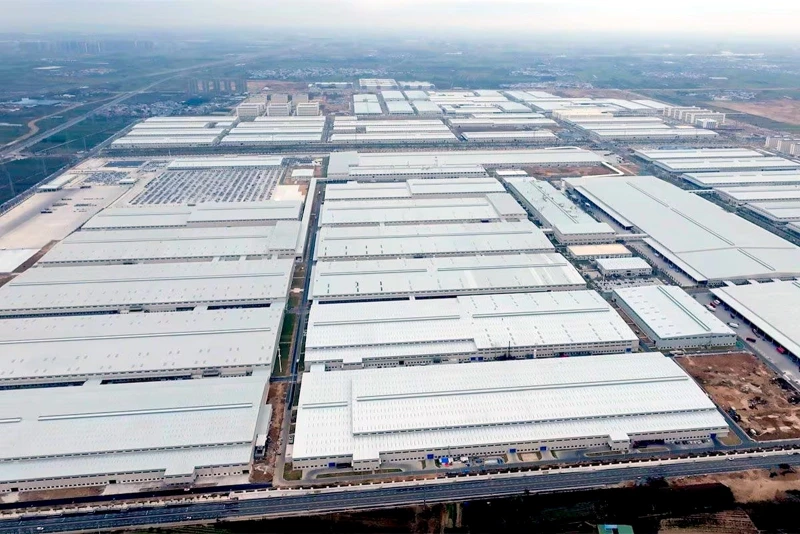
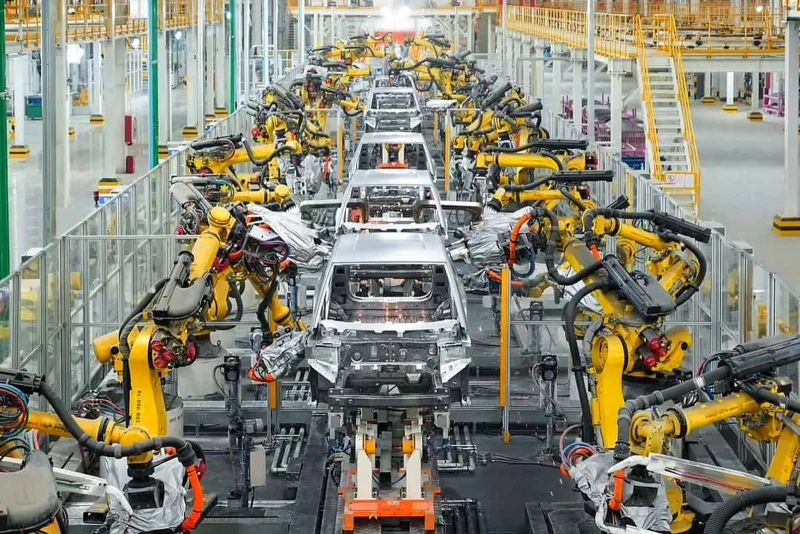
In response to the situation, BYD has launched a cost-optimization program that includes the elimination of around 100,000 positions. Once completed, the company's workforce is expected to total approximately 870,000 employees, representing more than a 10% reduction from previous levels.
Officially, these measures are aimed at improving efficiency and streamlining internal processes. The staff cuts come amid an extended period of declining sales, highlighting the need to adjust production scale and operations.
The Role of Hybrid Models and Exports
Despite challenges in the battery electric segment, BYD maintains resilience through product diversification. Hybrids and plug-in hybrids continue to account for a substantial share of sales. The company is also actively expanding its presence in overseas markets.
Nevertheless, these factors have not yet fully offset the drop in demand for fully electric models in China.
Global Context
The situation at BYD mirrors broader trends in the automotive industry. Across different regions, the pace of electric vehicle sales growth is changing. On major markets, interest in these vehicles has become more measured, with evolving conditions for their adoption.
Manufacturers are being forced to reassess their strategies, striking a balance between electric, hybrid, and conventional powertrains.
Conclusion
The job cuts at BYD represent one of the clearest signals of shifting dynamics in the electric vehicle market. Even the largest players are having to adapt to new realities. This highlights that the development of the sector continues to depend on economic factors, government policies, and actual buyer demand.