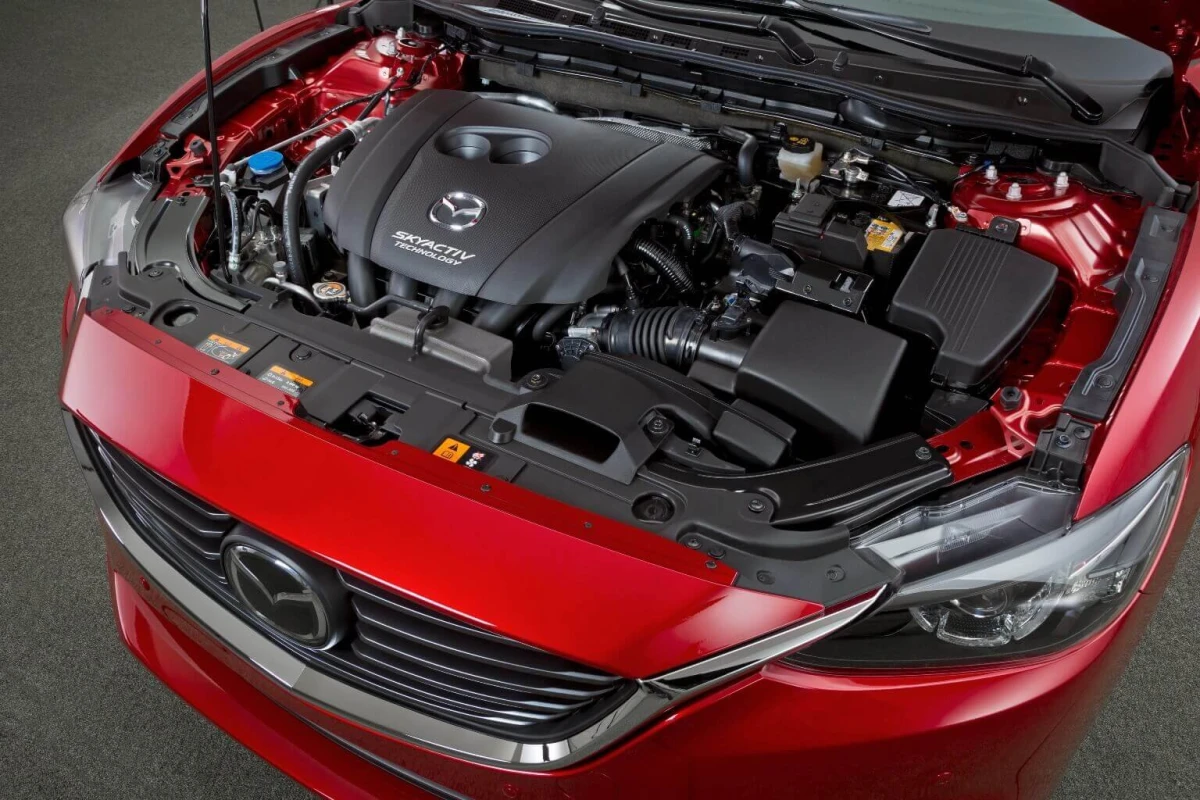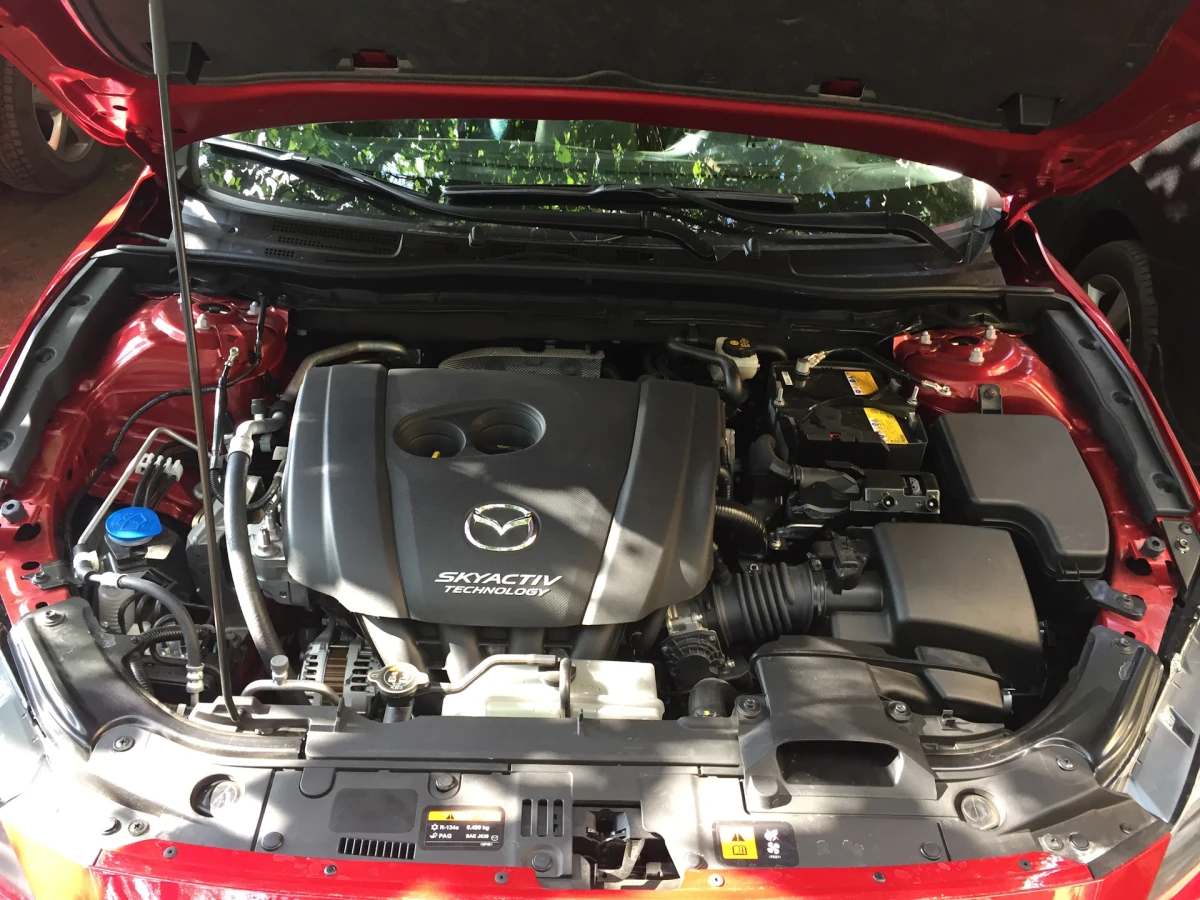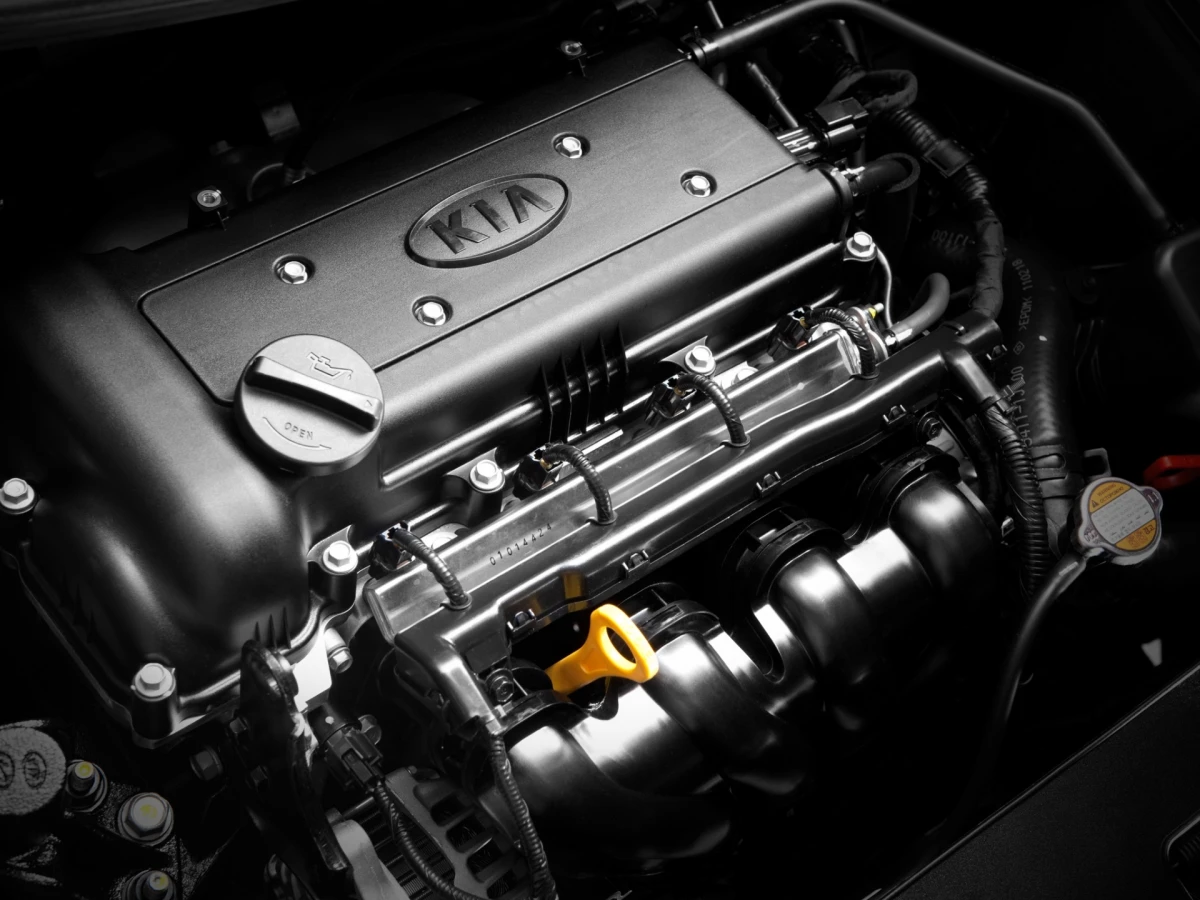



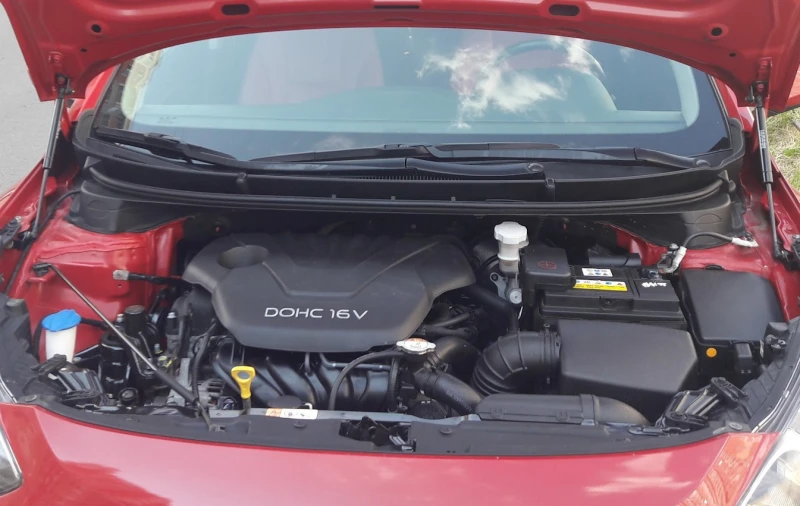
Produced from 2011 to 2017, this generation provided a wide selection of engines and transmissions perfectly suited for everyday driving. This article focuses on the core technical aspects: Hyundai i30 2011–2017 engines, powertrain overview, dimensions, and major updates. Exterior, interior, trim levels, and common issues are covered in separate articles of this series.
Engines and Transmissions
The Hyundai i30 II (GD) was offered with a broad range of engines tailored to North American and European preferences. Front-wheel drive was standard across all versions. Engine availability varied by region, but the selection emphasized fuel efficiency and everyday usability. Transmissions included both manual and automatic options — no all-wheel-drive variants existed in this generation. The table below covers the main powertrains available throughout the model run.
| Engine Type | Displacement (L) | Power (hp) | Transmission Options | Drivetrain |
| Gasoline | 1.4 | 100–109 | 5/6-speed Manual, 6-speed Auto (select versions) | FWD |
| Gasoline | 1.6 | 120–135 | 6-speed Manual, 6-speed Auto | FWD |
| Gasoline (GDi) | 1.6 | 135 | 6-speed Manual, 6-speed Auto | FWD |
| Gasoline | 1.8 | 148 | 6-speed Manual, 6-speed Auto | FWD |
| Diesel | 1.4 | 90 | 6-speed Manual | FWD |
| Diesel | 1.6 | 110–128 | 6-speed Manual, 6-speed Auto, 7-speed DCT (after facelift) | FWD |
The Gamma-series gasoline engines (1.4 and 1.6 L) were the most common, featuring either multi-point (MPI) or direct (GDi) injection. The 1.6L U-series diesel engines stood out for their low fuel consumption and compliance with Euro 5 emissions standards. In the US market, gasoline versions dominated, especially the 1.8L and 2.0L variants (depending on the model year and trim). The 7-speed dual-clutch transmission (DCT) was introduced after the 2015 facelift and became available on higher-output diesel and some gasoline models.
Dimensions and Weight
The Hyundai i30 II (GD) maintained consistent exterior dimensions throughout its production run, with minor differences between hatchback and wagon body styles. The figures below represent the most common front-wheel-drive configurations with manual or automatic transmissions. Gross vehicle weight typically ranged between 3,990–4,190 lbs depending on equipment.
| Parameter | Value | Notes |
| Length (in) | 169.3 | Applies to most versions (FWD) |
| Width (in) | 70.1 | Applies to most versions (FWD) |
| Height (in) | 57.9 | Applies to most versions (FWD) |
| Wheelbase (in) | 104.3 | Applies to most versions (FWD) |
| Curb Weight (lbs) | 2,668–3,296 | Depending on engine & transmission |
| Gross Vehicle Weight (lbs) | 3,990–4,190 | Depending on engine & transmission |
These dimensions deliver excellent maneuverability in city traffic and good highway stability. Post-2015 facelift models gained 40–110 lbs due to added equipment and sound-deadening materials, but the change had minimal impact on driving dynamics.
Model Year Changes and 2015 Facelift
As this is now a discontinued generation, updates focused mainly on improving efficiency, comfort, and emissions compliance. Early models (2011–2012) came with 1.4 and 1.6 gasoline/diesel engines paired with 5- or 6-speed manuals. By 2013, a 6-speed automatic became more widely available, particularly for 1.6L gasoline variants.
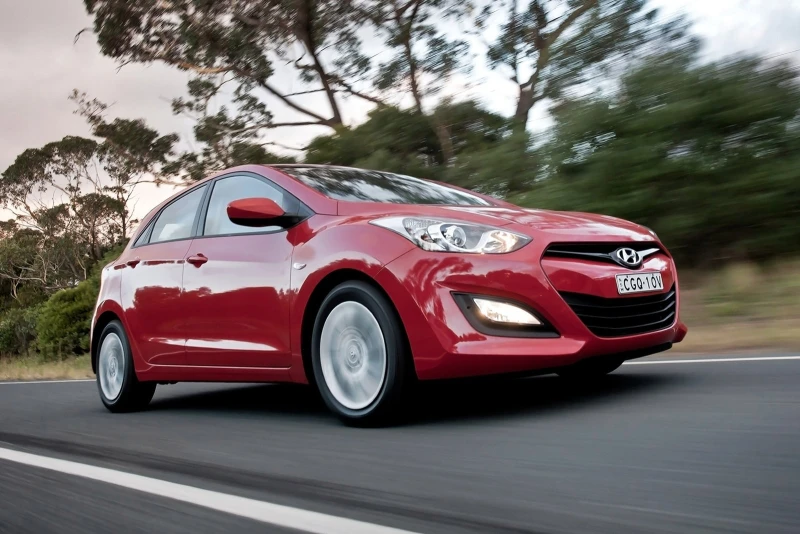
The major facelift arrived in 2015: refreshed front fascia, optional LED headlights on higher trims, improved sound insulation, and the introduction of direct-injection engines (1.6 GDi) and a 7-speed DCT for 1.6L diesels. CO₂ emissions dropped to approximately 109–145 g/km on the most efficient versions. These updates were implemented across most markets, including North America (as Elantra GT). The facelift significantly improved fuel economy (typically 0.5–1.0 mpg better) and boosted resale value for later-model years.
Ownership Experience and Technical Notes
When owning a Hyundai i30 II (GD) in the United States, key factors include fuel quality, road conditions, and regular maintenance. Overall reliability is strong: the 1.6L Gamma gasoline engines commonly reach 150,000–190,000 miles with proper care, though the timing chain should be inspected/replaced around 90,000–125,000 miles. The 1.6L CRDi diesel engines are even more durable (often exceeding 250,000 miles), provided the turbo and EGR system are well maintained. The 1.6L diesel (110–128 hp) was particularly appreciated for its blend of performance and efficiency.
Estimated fuel economy (EPA-equivalent figures):
- Gasoline 1.6L: 26–29 mpg city / 37–40 mpg highway
- Diesel 1.6L: 36–40 mpg city / 45–50 mpg highway
Transmissions are generally reliable: manual clutches typically last 60,000–90,000 miles, while automatics benefit from fluid changes every 40,000 miles. The FWD setup is straightforward to maintain. Parts availability remains excellent thanks to the model’s popularity; prices for common items range from $20–$40 for filters to $400–$900 for suspension components. Routine maintenance is affordable, and many basic services can be performed by owners.
For best results in the US market, use Top Tier gasoline (premium unleaded recommended for GDi engines) and follow the factory maintenance schedule.
Summary and Best Choice for the US Market
The Hyundai i30 II (GD) / Elantra GT offers well-rounded technical specifications that remain competitive even today. The 1.6L diesel with 6-speed manual (or later 7-speed DCT) stands out as one of the most efficient and satisfying combinations, delivering excellent fuel economy (around 40–45 mpg combined), reasonable maintenance costs, and strong resale value. Approximate used market prices in the US for well-maintained 2015–2017 examples currently range from $7,000 to $12,000 depending on mileage and condition. Gasoline automatic versions are better suited for urban driving but come with higher fuel consumption. Ultimately, the diesel variants provide the best balance of economy, reliability, and driving enjoyment for most owners.