Plenty of car shoppers get stuck on one big question: what separates a standard hybrid from a plug-in hybrid? We’re breaking down the tech, the real-world range, running costs, and which one makes more sense for how you actually drive in the United States.
What Is a Standard Hybrid (HEV)?
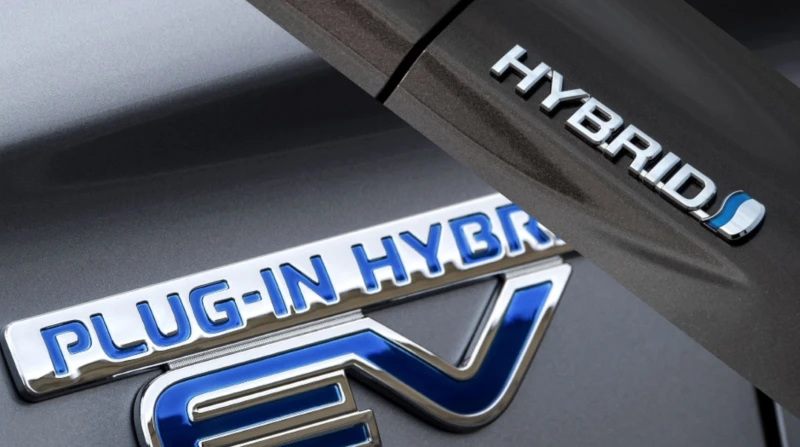
A hybrid electric vehicle (HEV) pairs a gasoline engine with an electric motor and a small battery. The two power sources work together seamlessly — the electric motor handles low-speed cruising and stop-and-go traffic, while the gas engine kicks in for highway speeds or when you need extra power.
- Charging: Self-charging only — the battery recharges via regenerative braking and the gas engine. No plug needed.
- Electric-only range: Typically 1–3 miles.
- Fuel economy: 40–55 mpg combined is common (far better than a traditional gas car).
- Popular models: Toyota Prius, Honda CR-V Hybrid, Hyundai Tucson Hybrid.
What Is a Plug-In Hybrid (PHEV)?
A plug-in hybrid electric vehicle (PHEV) is essentially a hybrid with a much larger battery that you can charge from an outlet or public charger. That bigger battery delivers meaningful all-electric driving before the gas engine ever turns on.
- Charging: Plugs into a wall outlet, Level 2 charger, or DC fast-charger (some models). Also self-charges like a regular hybrid.
- Electric-only range: Usually 20–50 miles (perfect for most daily commutes).
- Fuel economy: 80–120 MPGe when charged; drops to 35–45 mpg once the battery is depleted.
- Popular models: Jeep Wrangler 4xe, Toyota RAV4 Prime, Ford Escape PHEV, Chevrolet Volt (used).
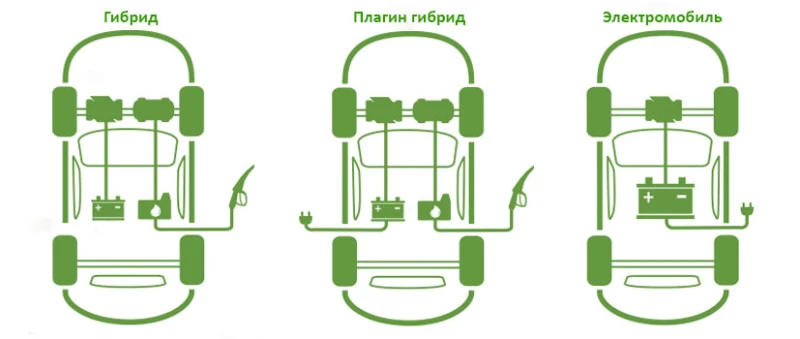
Key Differences Side-by-Side
1. Charging Requirements
Standard hybrids are completely hassle-free — just fill up with gas. PHEVs require plugging in to unlock their full potential, though they’ll still run like a regular hybrid if you forget.
2. Electric-Only Range
Regular hybrids can creep a couple of miles on battery power; PHEVs can handle a full commute (average U.S. daily drive is ~35 miles) without using a drop of gas.
3. Real-World Savings & Emissions
PHEVs win on paper — especially if you charge nightly and your electricity comes from cleaner sources. Many owners report paying the equivalent of $1–$2 per gallon when driving on battery.
4. Purchase Price & Incentives
PHEVs cost $5,000–$12,000 more upfront. However, many qualify for the federal $7,500 Clean Vehicle Tax Credit (or state rebates), which can erase most of that premium.
Approximate market price range in the United States (2025 models, before tax credits):
- Compact hybrid: $28,000–$38,000
- Compact PHEV: $38,000–$48,000 (often drops to $32,000–$40,000 after federal credit)
- Midsize/SUV hybrid: $35,000–$50,000
- Midsize/SUV PHEV: $45,000–$65,000 (as low as $38,000–$55,000 after incentives)
Pros & Cons Quick Look
Standard Hybrid
- Pros: Lower price, no charging needed, proven reliability, great mileage.
- Cons: Minimal electric-only driving, no tax credit on most new models.
Plug-In Hybrid
- Pros: 20–50 miles of gas-free driving, huge tax credits, lowest operating cost when charged.
- Cons: Higher upfront cost, need home or workplace charging, slightly heavier.
Which One Should You Buy in 2025?
- Choose a PHEV if: You drive less than 40–50 miles per day, can charge at home or work, and want to maximize savings + qualify for the $7,500 federal credit.
- Choose a regular hybrid if: You do longer trips, don’t have reliable charging, or simply want the lowest purchase price with zero range anxiety.
Either way, both options cut fuel bills dramatically compared to a traditional gas vehicle and move us toward a cleaner future. Pick the one that fits your garage, your wallet, and your daily drive.