


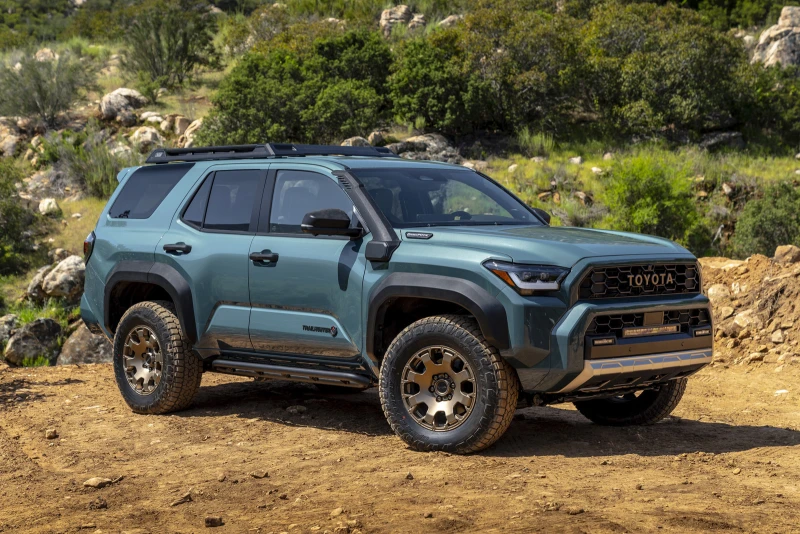
It blends legendary reliability, serious off-road capability, and cutting-edge tech. But how does it stack up against the top rivals? In this comparison, we pit the 4Runner against the Jeep Wrangler, Ford Bronco, Land Rover Defender, and Toyota Land Cruiser to see who rules the midsize off-road SUV segment.
Who's in the Fight?
The 2025 Toyota 4Runner goes head-to-head with the best off-road SUVs that deliver adventure in the backcountry while remaining livable on daily drives. Here are the contenders:
- Toyota 4Runner: Proven tough with the available i-FORCE MAX hybrid powertrain (326 hp) and impressive off-road features.
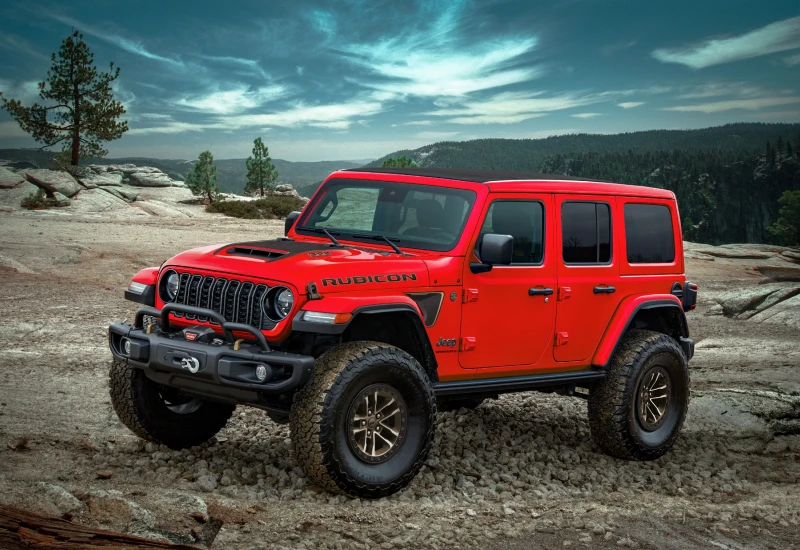
- Jeep Wrangler: The off-road icon with removable top and hybrid 4xe option.
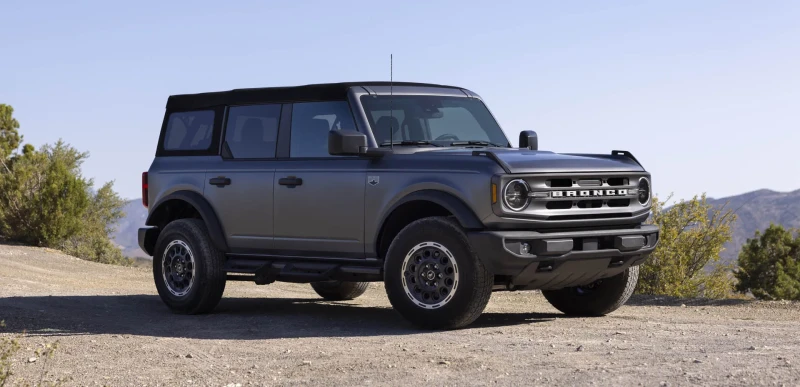
- Ford Bronco: Modern rival with potent turbo engines and bold styling.
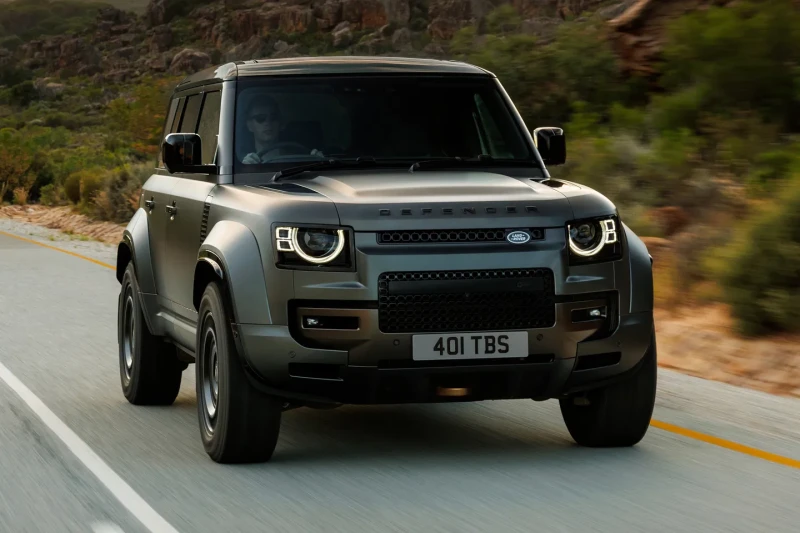
- Land Rover Defender: Premium adventurer with luxurious cabin and strong trail performance.
- Toyota Land Cruiser: Close cousin to the 4Runner with hybrid power and a higher price tag.
Head-to-Head Comparison
We broke down these SUVs across key categories to highlight strengths and weaknesses.
Off-Road Capability
Trail performance is the core of these vehicles. Here's how they handle tough terrain:
- Toyota 4Runner: Approach angle up to 32°, departure up to 24°, ground clearance 10.1 inches, available Stabilizer Disconnect Mechanism (SDM) for better suspension articulation. TRD Pro and Trailhunter trims come with all-terrain tires and underbody protection.
- Jeep Wrangler: Class-leader with approach/departure angles 43.8°/35.6° (Rubicon), clearance up to 10.9 inches, and removable roof. 4xe version offers silent electric crawling.
- Ford Bronco: Approach/departure 47.2°/40.5° (Raptor), clearance up to 13.1 inches, unique Trail Turn Assist for tight maneuvers. Bronco Raptor runs 37-inch tires.
- Land Rover Defender: Approach/departure 38°/40°, clearance 11.5 inches, Terrain Response system adapts to any surface.
- Toyota Land Cruiser: Approach/departure 31°/22°, clearance 8.7 inches, full-time 4WD with center differential lock. Less aggressive than the 4Runner.
Verdict: Bronco and Wrangler dominate geometric passability, while 4Runner and Defender offer balanced capability. Land Cruiser trails slightly due to lower clearance.
Performance Specs
| Model | Power (hp) | Fuel Economy (mpg, EPA est.) | Towing Capacity (lbs) |
|---|---|---|---|
| Toyota 4Runner (hybrid) | 326 | 23 | 6000 |
| Jeep Wrangler (4xe hybrid) | 375 | 49 MPGe (20 gas only) | 3500 |
| Ford Bronco (2.7L V6) | 330 | 17 | 4500 |
| Land Rover Defender (P400) | 395 | 18 | 8200 |
| Toyota Land Cruiser (hybrid) | 326 | 23 | 6000 |
- Toyota 4Runner: i-FORCE MAX hybrid (326 hp, 465 lb-ft) delivers strong power and efficiency; base engine (278 hp) is solid but less refined.
- Jeep Wrangler: 4xe hybrid (375 hp) excels in torque delivery, but gas V6 (285 hp) is thirstier.
- Ford Bronco: Turbo V6 (330 hp) is punchy, but fuel economy lags. No hybrid available.
- Land Rover Defender: P400 (395 hp) is the most powerful, though less efficient than hybrids.
- Toyota Land Cruiser: Same hybrid as 4Runner, with similar efficiency thanks to better aero.
Verdict: Wrangler 4xe leads in power and hybrid efficiency, 4Runner and Land Cruiser balance well, Bronco and Defender prioritize raw performance over mpg.
Interior and Comfort
Comfort matters for long road trips and daily use.
- Toyota 4Runner: Cargo 49 cu ft (90 cu ft seats folded), modern interior, optional third row is tight. Highway noise around 67–68 dB.
- Jeep Wrangler: Cargo 32 cu ft (72 cu ft), utilitarian cabin, higher noise (70 dB), removable roof adds open-air appeal.
- Ford Bronco: Cargo 38 cu ft (83 cu ft), contemporary design but poor sound insulation (69 dB). Removable roof like Wrangler.
- Land Rover Defender: Cargo 38 cu ft (84 cu ft), premium materials, best insulation (65 dB), spacious feel.
- Toyota Land Cruiser: Cargo 39 cu ft (78 cu ft), roomier rear than 4Runner, hybrid battery reduces some space.
Verdict: Defender wins for luxury and quietness, 4Runner and Land Cruiser offer more cargo, Wrangler and Bronco sacrifice comfort for fun.
Tech and Safety
Modern features enhance convenience and protection.
- Toyota 4Runner: Up to 14-inch screen, Toyota Safety Sense 3.0 (adaptive cruise, lane keep), Multi-Terrain Monitor for trails.
- Jeep Wrangler: 12.3-inch screen, Uconnect 5, off-road cameras, fewer standard driver aids.
- Ford Bronco: 12-inch screen, 360-degree cameras, Trail Turn Assist, interface less polished.
- Land Rover Defender: 11.4-inch screen, Terrain Response 2, full suite of assists including 3D cameras.
- Toyota Land Cruiser: 12.3-inch screen, similar tech to 4Runner but more premium feel.
Verdict: Defender and Land Cruiser lead in advanced systems, 4Runner is well-rounded, Wrangler and Bronco lag in assists.
Pricing and Ownership
Upfront cost and long-term value are key.
- Toyota 4Runner: Starting around $42,000 (hybrid from $55,000). Approximate market price in the United States: $42,000–$70,000 depending on trim, strong resale value, 3-year warranty.
- Jeep Wrangler: Starting around $34,000 (4xe from $50,000+). Approximate market price in the United States: $34,000–$100,000+, higher maintenance, 3-year warranty.
- Ford Bronco: Starting around $40,000 (Raptor from $90,000+). Approximate market price in the United States: $40,000–$95,000, moderate costs, 3-year warranty.
- Land Rover Defender: Starting around $57,000. Approximate market price in the United States: $57,000–$150,000+, premium maintenance, 4-year warranty.
- Toyota Land Cruiser: Starting around $57,000. Approximate market price in the United States: $57,000–$75,000, legendary reliability, 5-year powertrain warranty.
Verdict: 4Runner offers the best value, Wrangler and Bronco mid-range, Defender and Land Cruiser target premium buyers.
Pros and Cons of Each Model
- Toyota 4Runner
Pros: Reliability, value pricing, hybrid power, off-road prowess.
Cons: Tight optional third row, highway noise. - Jeep Wrangler
Pros: Ultimate trail ability, removable roof, 4xe hybrid.
Cons: Noisy cabin, costly upkeep. - Ford Bronco
Pros: Aggressive looks, strong engines, trail tech.
Cons: Thirsty on fuel, pricey top trims. - Land Rover Defender
Pros: Luxurious interior, capable off-road, advanced tech.
Cons: High cost, expensive service. - Toyota Land Cruiser
Pros: Bulletproof reliability, comfort, hybrid efficiency.
Cons: Lower clearance, premium pricing.
Which Off-Roader Should You Choose?
The 2025 Toyota 4Runner stands out for its value, reliability, and well-rounded capability, but rivals bring unique strengths:
- Toyota 4Runner: Top pick for reliable, affordable adventure with hybrid punch.
- Jeep Wrangler: For hardcore trail enthusiasts who love open-air freedom, even with noise trade-offs.
- Ford Bronco: Ideal for style and extreme off-road performance.
- Land Rover Defender: Best for premium comfort in a capable package.
- Toyota Land Cruiser: Suited for those wanting a more refined, upscale 4Runner alternative.
It comes down to priorities: the 4Runner is the versatile all-rounder, but test drive them all to decide.