


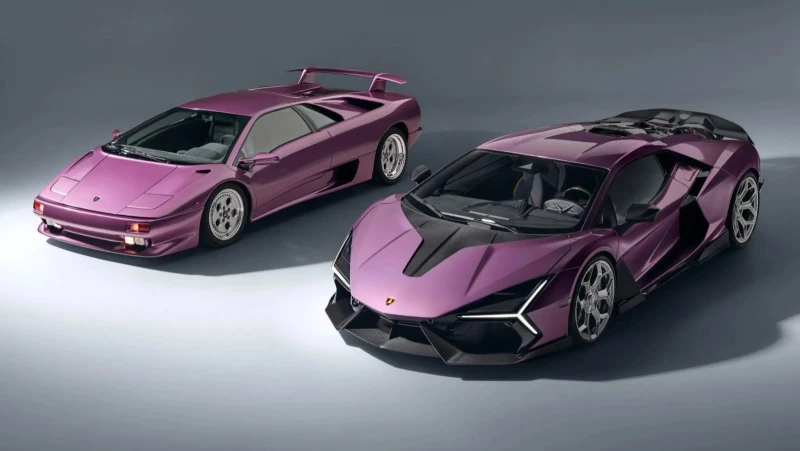
One such example emerged when a modified Lamborghini Revuelto was displayed alongside the legendary Diablo, unexpectedly highlighting the differences between the two generations.
The Diablo's Classic Design and Philosophy
The Lamborghini Diablo SE30 became one of the most recognizable models of its era. It featured a bold design with a wedge-shaped silhouette, aggressive lines, and a minimalist approach to construction. Despite being typical in length for its class, it remained relatively compact and visually lightweight.
The model was powered by a naturally aspirated V12 producing about 525 horsepower and featured a classic rear-wheel-drive layout with a manual transmission. This combination made the car a symbol of an era when pure mechanical engineering and driver engagement took priority.
A Modern Approach: Lamborghini Revuelto
The new generation of supercars, represented by the Revuelto, takes a different approach. The car received a hybrid powertrain producing a combined output of about 1,050 horsepower, including its electric motors. This significantly improved performance while allowing it to meet modern requirements.
At the same time, the changes also affected its dimensions. The modern car is noticeably longer and taller due to the need to accommodate additional components, including batteries and cooling systems. This has influenced its overall visual balance.
The Impact of Tuning and a Visual Comparison
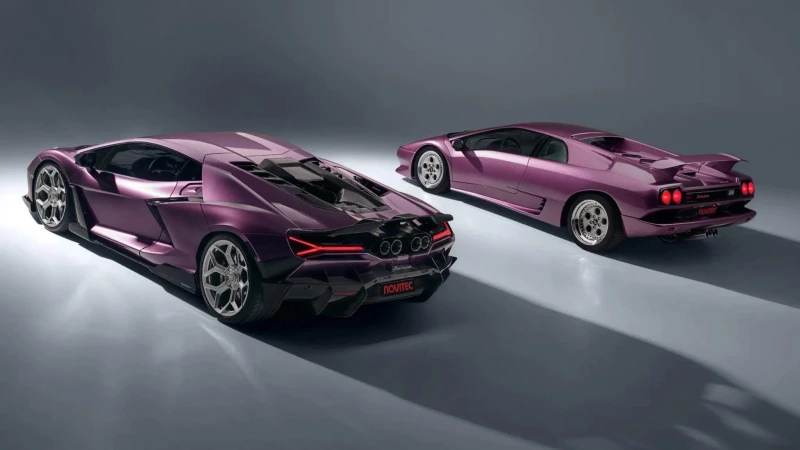
The tuning company that presented the modified Revuelto attempted to emphasize its connection to the classic model by choosing a similar color scheme and selected styling elements. However, displaying the two cars together revealed a clear contrast in their proportions.
The modern model appears more substantial, reflecting both its increased dimensions and more complex construction. The classic car, meanwhile, retains a sense of visual lightness and simplicity of form.
Reasons Behind the Changes
- Stricter safety and comfort requirements
- Integration of hybrid technology and additional systems
- More cabin space and improved ergonomics
- The need to comply with modern standards
These factors inevitably increase vehicle weight and dimensions, which is reflected in their exterior design.
Conclusion
Comparing Lamborghinis from different eras shows how priorities in the automotive industry have changed. Modern models offer greater technical capabilities but have moved away from the compact proportions and visual lightness of their predecessors. This reflects a broader industry trend in which advanced technology is gradually taking center stage.