


The majority of buyers continue to prefer vehicles with conventional internal combustion engines, which account for approximately 84% of all new sales. This stands out in an era when the industry narrative often positions electric propulsion as the inevitable future.
Revised Electrification Timelines
Several years ago, numerous automakers set ambitious goals for full electrification. Audi planned to offer only electric vehicles from 2026, Jaguar aimed to complete its transition by 2025, and Opel intended to discontinue gasoline models by 2028. Most of these plans have since been revised. Even established brands such as Porsche have adopted a more gradual approach to their electric strategies. The key factor is consumer demand, which has proven slower to develop than expected. Buyers are often hesitant to accept higher prices along with trade-offs in range and charging convenience, given the current state of infrastructure.
Factors Behind Slower EV Adoption
While electric vehicles provide certain benefits, they also present challenges including elevated purchase prices and dependence on expanding charging networks. Until battery costs decrease further and infrastructure becomes more robust, many consumers in Europe continue to opt for proven internal combustion engine technology.
What the Numbers Reveal
According to ACEA data, around 888,000 new vehicles were sold across the EU in September, a 10% increase from the previous year. Electric vehicles accounted for 16% of sales, showing some improvement but remaining a minority share. Notably, 78% of these EV sales were concentrated in Germany, France, the Netherlands, and Belgium. Government incentives appear to be a significant driver in these key markets.
Tesla Sales Decline While BYD Advances
Tesla has experienced reduced momentum in Europe. Sales over the first nine months fell nearly 39% to 111,000 units, with market share dropping to 2.9%. In contrast, Chinese manufacturer BYD has recorded strong growth of nearly 250%, reaching 80,000 vehicles sold. A substantial share of these are hybrid models, indicating the brand's expanding footprint in the region.
Brand Performance Overview
- Škoda posted a 10% increase, reflecting steady results.
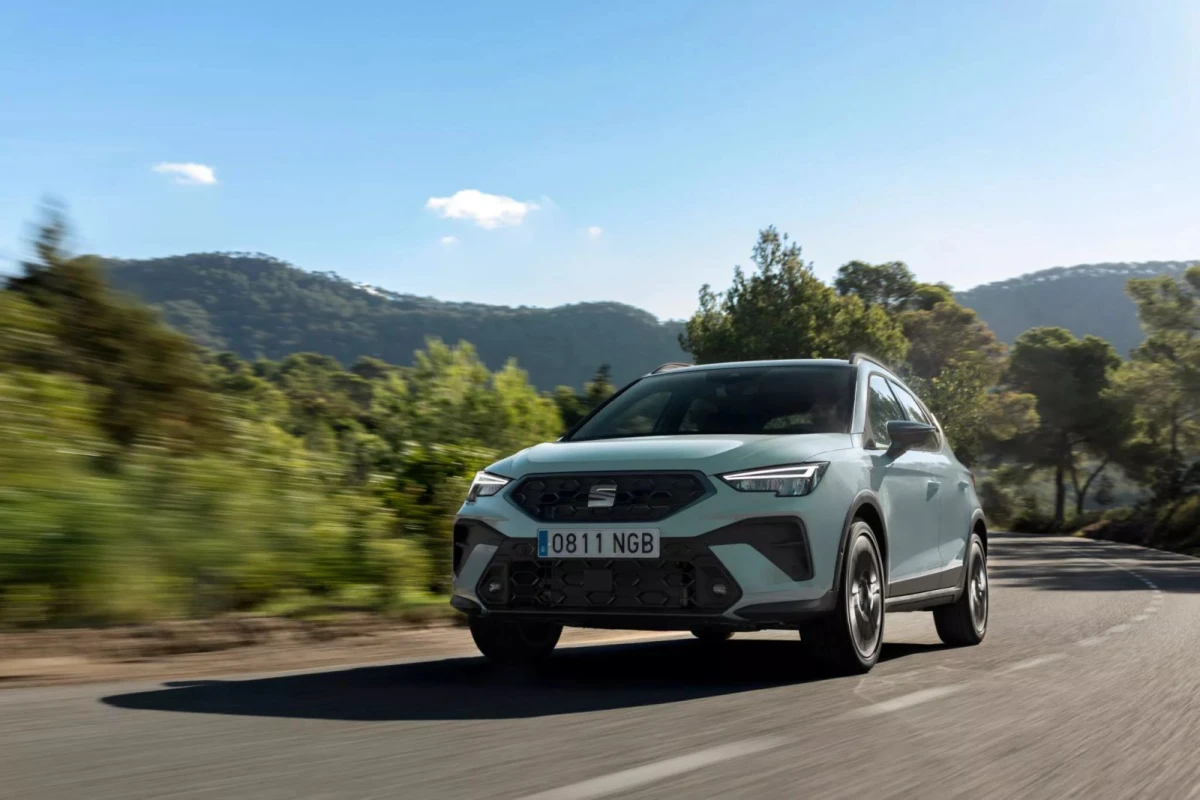
- Cupra and Alfa Romeo achieved nearly 40% growth, notable in the current climate.
- Jaguar and Lancia saw sharp declines of 79% and 71%, respectively.
These market dynamics highlight that internal combustion engines continue to dominate new vehicle sales in Europe. The transition to electric vehicles is progressing gradually as technology and infrastructure evolve.