In January, major electric vehicle manufacturers recorded a decline in sales and worsening performance compared to the previous year. These changes are linked to new economic conditions and the gradual reduction of government support, which previously played a key role in the segment's development.
Decline in Sales Among Leading Manufacturers
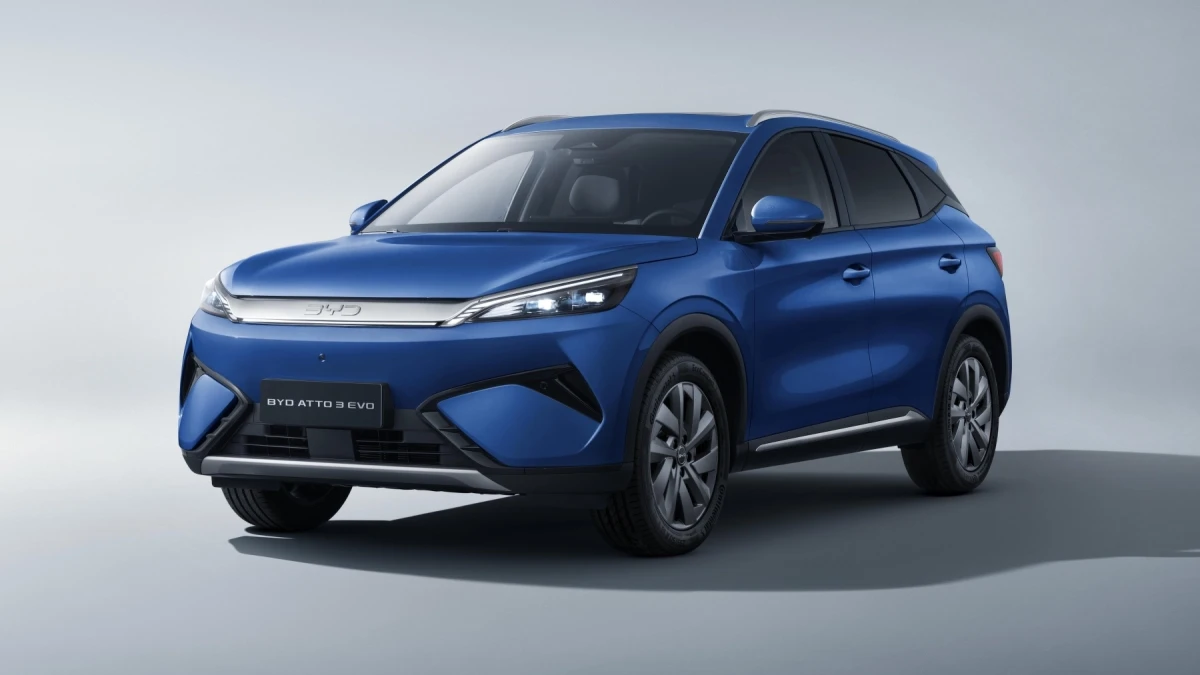
One of the largest producers, BYD, sold approximately 205,500 passenger cars in January. Despite the substantial volume, this result was significantly lower than the figures from the same period last year, when over 300,000 vehicles were sold. The decline affected both fully electric vehicles, with sales dropping from about 125,000 to 83,000 units, and plug-in hybrids.
Negative trends are also observed among other manufacturers. Xiaomi, actively developing its automotive division, reduced sales from more than 50,000 vehicles at the end of last year to around 39,000 in January. Similar situations are noted for brands like Xpeng, Li Auto, and Leapmotor, which also faced reduced demand.
Market Structure Changes and Impact of Hybrid Models
Some manufacturers maintained stable figures through increased sales of hybrid vehicles. For example, Geely showed overall sales growth, but this was primarily achieved due to higher demand for plug-in hybrids, while sales of fully electric models decreased by about 15%.
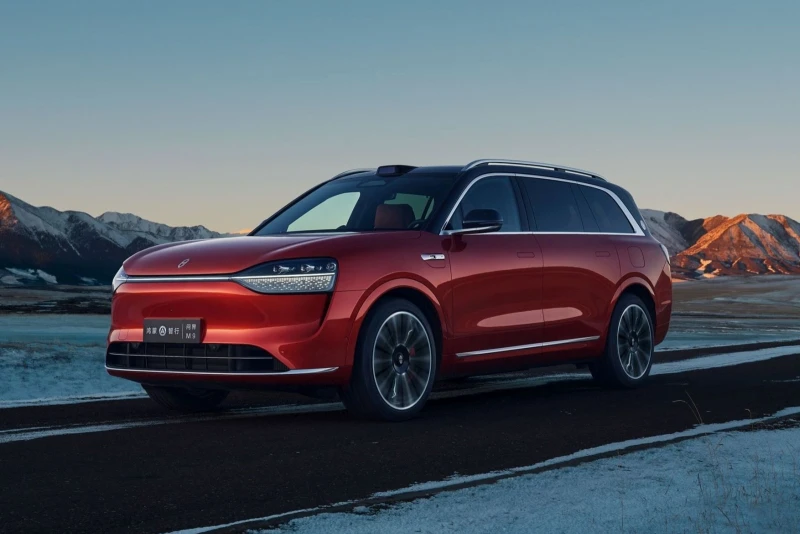
Certain brands, such as Aito, managed to increase sales, but their overall volume remains relatively small compared to the largest market players. This indicates that growth in individual companies does not offset the general decline in EV demand.
Role of Government Policy and Taxes
One of the key reasons for the shift is the introduction of new tax conditions. Previously, electric vehicles in China were exempt from a sales tax of about 10%. From the start of 2026, the tax was partially reinstated at 5%. Even this change led to a noticeable increase in vehicle costs for buyers.
Additionally, some government subsidies were reduced, and new requirements for electric model efficiency were introduced. These measures increased the burden on manufacturers and reduced the appeal of EVs for some buyers.
- partial reinstatement of vehicle sales tax;
- reduction in government subsidies;
- tightening of technical specification requirements;
- increase in vehicle costs for end buyers.
Price Competition and Impact on Manufacturers
In recent years, the Chinese EV market has been characterized by high competition and price reductions. Manufacturers actively lowered vehicle prices to attract buyers and increase market share. However, such measures reduced profits and limited companies' ability to offset new tax expenses.
As a result, manufacturers find themselves in a situation where further price reductions become economically challenging, while price increases could lead to additional demand decline.
Conclusion
The decline in EV sales in China demonstrates that the market remains sensitive to changes in economic conditions and government policy. Even partial tax reinstatement and subsidy reductions have had a noticeable impact on demand. Manufacturers continue to adapt to the new conditions, adjusting strategies and model lineups. Further developments will depend on the balance between government regulation, pricing policy, and actual buyer demand.