This model masterfully combined thrilling driving dynamics, everyday reliability, and timeless design, earning massive popularity across Europe and later becoming a sought-after used import and enthusiast favorite in the United States. The technical specifications of the BMW 3 Series III highlight its classic rear-wheel-drive layout paired with sophisticated multi-link rear suspension, delivering benchmark handling for its class. In this detailed guide we break down the engines of the 1990–2000 BMW 3 Series, transmissions, exterior dimensions, weights, year-by-year evolution, and essential ownership considerations. Understanding the powertrains helps explain why the E36 continues to thrive on the American used car market decades later. Exterior styling, interior quality, trim packages, and known weak points are covered separately in this series.
Engines and Transmissions
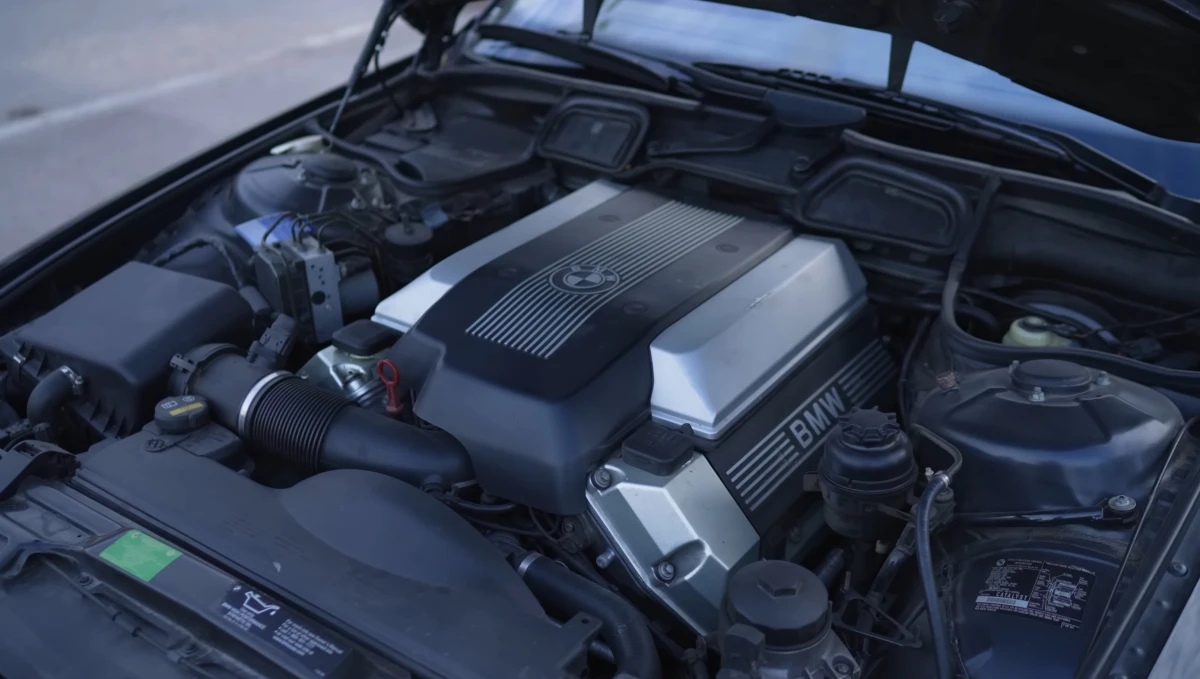
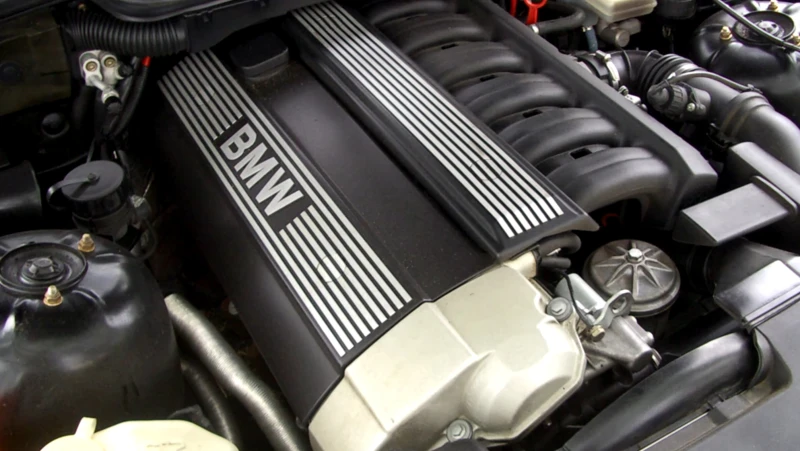
The engines offered in the 1990–2000 BMW 3 Series included a family of smooth inline 4- and 6-cylinder gasoline and diesel units engineered for strong performance and reasonable efficiency. All gasoline engines were naturally aspirated (except turbo diesels), with later models featuring VANOS variable valve timing to boost low- and mid-range torque. Gasoline lineup ranged from the 1.6L inline-4 (100–102 hp) all the way to the legendary 3.2L inline-6 (321 hp in the E36 M3). Diesel options included 1.7L turbo inline-4 (90 hp) up to 2.5L turbo inline-6 (143 hp). Transmissions consisted of 5-speed manual gearboxes (Getrag/ZF) and 4- or 5-speed automatic units (ZF). Drive was always rear-wheel drive (RWD) with no all-wheel-drive option available. Below is a summary table of the main powertrains offered during the 1990–2000 production run.
| Model | Engine Type / Displacement | Power (hp) | Transmission | Drive |
|---|---|---|---|---|
| 316i | I4, 1.6L (1596 cc) | 100–102 | 5-speed manual / 4-speed auto | RWD |
| 318i / 318is | I4, 1.8L–1.9L (1796–1895 cc) | 113–140 | 5-speed manual / 4-speed auto | RWD |
| 320i | I6, 2.0L (1991 cc) | 150 | 5-speed manual / 5-speed auto | RWD |
| 323i | I6, 2.5L (2494 cc) | 170 | 5-speed manual / 5-speed auto | RWD |
| 325i | I6, 2.5L (2494 cc) | 192 | 5-speed manual / 5-speed auto | RWD |
| 328i | I6, 2.8L (2793 cc) | 193 | 5-speed manual / 5-speed auto | RWD |
| M3 | I6, 3.0L–3.2L (2990–3201 cc) | 286–321 | 5- or 6-speed manual / 5-speed auto | RWD |
| 318tds | I4 turbo diesel, 1.7L (1665 cc) | 90 | 5-speed manual | RWD |
| 325td | I6 turbo diesel, 2.5L (2497 cc) | 115 | 5-speed manual / 4-speed auto | RWD |
| 325tds | I6 turbo diesel, 2.5L (2497 cc) | 143 | 5-speed manual / 4-speed auto | RWD |
These engines delivered 0–60 mph acceleration times ranging from about 5.5 seconds (M3) to around 12 seconds (base diesels). Approximate fuel economy (combined, based on period EPA estimates and real-world US owner reports): gasoline models typically 18–28 mpg, diesels 25–35 mpg depending on driving style and conditions.
Dimensions and Weight
The BMW 3 Series III featured compact dimensions well-suited to American urban environments, twisty back roads, and highway cruising alike. The body (primarily steel) offered excellent torsional rigidity for its era. Curb weight ranged from about 2,620 lbs for base models to roughly 3,220 lbs for loaded or M3 variants. Gross vehicle weight typically fell between 3,750–4,200 lbs. Below is a table summarizing key dimensions, weights, transmissions, and drive configuration for the main body styles (sedan focus).
| Body Style | Length (in) | Width (in) | Height (in) | Wheelbase (in) | Curb / GVW (lbs) | Transmission | Drive |
|---|---|---|---|---|---|---|---|
| Sedan (standard) | 174.5 | 66.9 | 54.8 | 106.3 | 2,620–3,000 / 3,750–3,970 | 5-speed manual / 4-5 speed auto | RWD |
| Coupe | 174.5 | 67.3 | 53.8 | 106.3 | 2,755–3,085 / 3,860–4,080 | 5-speed manual / 4-5 speed auto | RWD |
| Touring (wagon) | 174.5 | 66.9 | 54.8 | 106.3 | 2,865–3,220 / 3,970–4,190 | 5-speed manual / 4-5 speed auto | RWD |
| Compact (hatch) | 165.7 | 66.9 | 54.3 | 106.3 | 2,645–2,975 / 3,750–3,970 | 5-speed manual / 4-speed auto | RWD |
| M3 | 174.5 | 67.3 | 52.6 | 106.7 | 3,220–3,395 / 4,190 | 5-6 speed manual / 5-speed auto | RWD |
These dimensions delivered an excellent balance of agility and comfort, with ground clearance around 5.5–5.7 inches – adequate for most US roads but requiring care on rough surfaces or steep driveways.
Year-by-Year Changes
The E36 generation received a significant facelift during 1994–1995. Pre-1994 models featured the original bumpers, headlights, and engine lineup: base 316i/318i (1.6–1.8L), 320i/325i (2.0–2.5L), and 325td diesel. The 325tds (143 hp) arrived in 1993. The 1994–1995 facelift brought updated bumpers, ellipsoid headlights, and from 1995 new engines appeared: 323i (2.5L 170 hp) and 328i (2.8L 193 hp) replacing the 325i, plus the 1.9L 318is. The M3 evolved too: 1992–1995 3.0L (286 hp), then 1995+ 3.2L (321 hp) with optional 6-speed manual. Traction control (ASC+T) and dual airbags became more common. Post-facelift (1995+) models are generally preferred in the US market for improved refinement, power, and reliability – especially those with VANOS-equipped engines.
What to Know Before Buying
Owning an E36 in the United States requires attention to several well-known areas. The most popular models on the used market are the 318i, 325i, 328i, and M3 (gasoline versions dominate). With proper maintenance, the M50/M52 engines can easily exceed 200,000–300,000 miles. Fuel economy in real-world US driving: gasoline models typically average 20–26 mpg combined, while the few imported diesels can reach 28–35 mpg. Common issues include: oil consumption on higher-mileage M50/M52 engines (0.5–1 qt per 1,000 miles), timing chain/guides (replace around 150,000–200,000 miles), cooling system failures (radiator, expansion tank), and automatic transmission service (fluid/filter every 40,000–60,000 miles; rebuilds $1,500–$3,000). Rear-wheel drive means attention to differential seals and bushings. Parts availability remains excellent in the US with OEM and aftermarket options widely available (many components 40–70% less than dealer prices). Rust is less of an issue in most regions compared to salt-belt states, but check underbody and wheel arches on higher-mileage examples. Suspension repairs (control arms, bushings) typically cost $500–$1,500 depending on parts/labor. Electrical gremlins (sensors, window regulators) and VANOS seals (rattle/noise after 100,000+ miles) are also worth inspecting.
Bottom Line
On the current US used market, the sweet spot for most enthusiasts is a well-maintained 328i or 325i (post-1995 facelift) with manual transmission and rear-wheel drive. These offer an outstanding balance of performance, approximate market value $6,000–$12,000 (depending on condition/mileage), fuel economy around 22–26 mpg combined, reasonable maintenance costs, strong parts availability, and excellent driving enjoyment. The E36 remains a timeless choice for anyone seeking classic BMW driving dynamics without breaking the bank.