


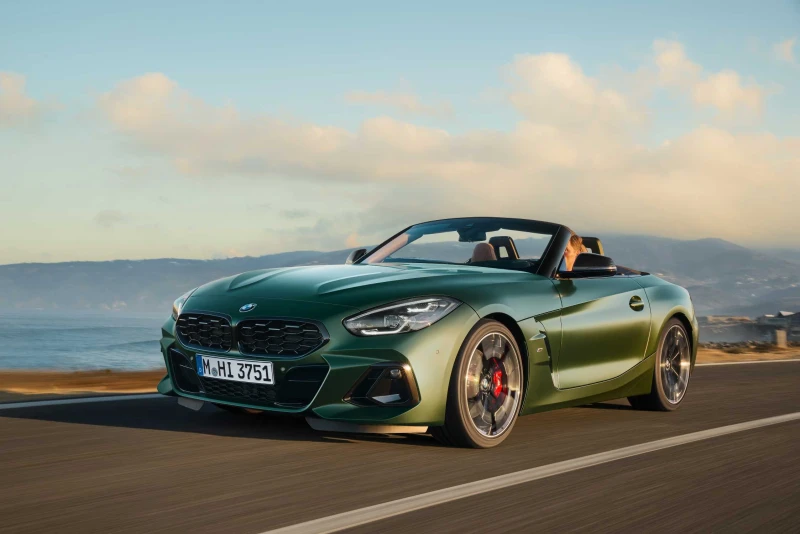
The 2025 BMW Z4 with its bold design, available six-speed manual transmission, and potent engine takes on top rivals: the Porsche 718 Boxster, Toyota GR Supra, Audi TT Roadster (legacy model), Mercedes-Benz SLC (legacy model), and Jaguar F-Type Convertible (final editions). How does the Bavarian hold up in this battle? We break it down by key factors—from performance to ownership costs—with a focus on U.S. realities: imperfect roads, local dealer networks, and driver preferences.
Who Rules the Highway? Performance and Handling
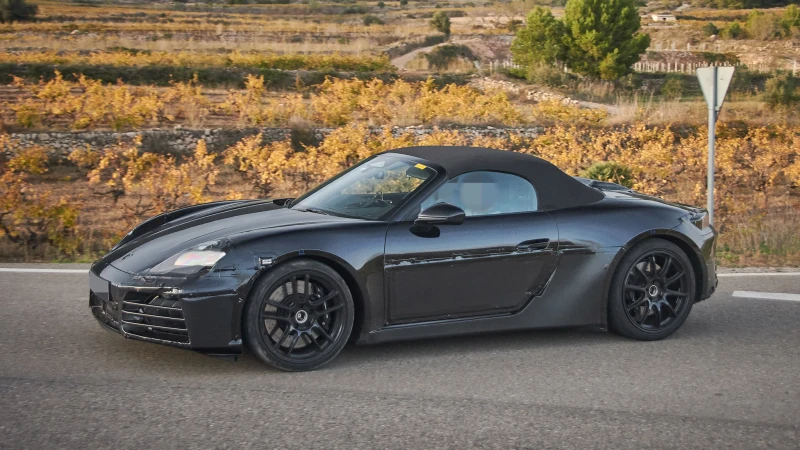
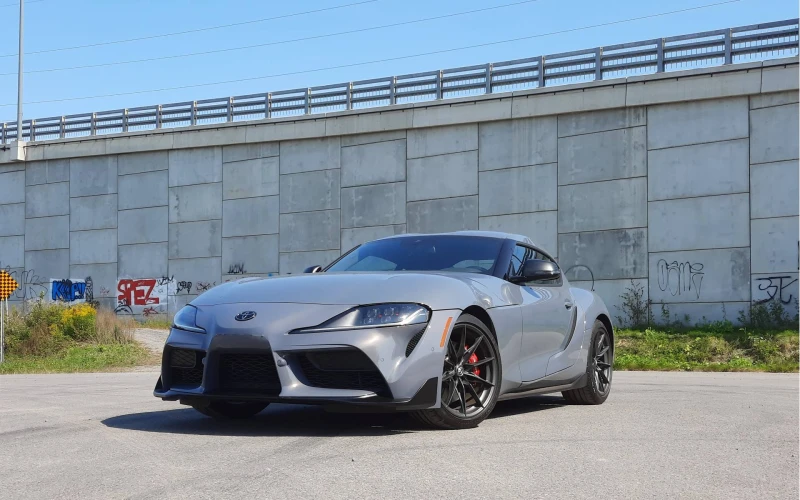
For American enthusiasts craving adrenaline on twisty canyon roads like those in Southern California or smooth stretches along Route 66, power and precision matter most. The BMW Z4 M40i with its 3.0-liter turbo inline-six (382 hp) hits 0–60 mph in 3.9 seconds with the automatic and 4.2 with the Handschalter manual package. Upgraded sway bars and M Sport differential make it grippy, though the steering feels slightly numb over expansion joints common on U.S. highways. The Porsche 718 Boxster (300–394 hp, 4.0–4.5 sec) remains the benchmark for razor-sharp handling thanks to its mid-engine layout, but its firmer suspension transmits more harshness over potholes. The Toyota GR Supra (382 hp, 3.9 sec) is sharper in corners but, as a coupe, less versatile. The Audi TT Roadster (legacy, ~228 hp, 5.5 sec) feels softer and less engaging. The Mercedes-Benz SLC (legacy, ~241 hp, 5.7 sec) and Jaguar F-Type (296–444 hp, 4.4–5.4 sec) lag in sharpness. The Z4 strikes a great balance between fun and comfort, but the Boxster edges it on track precision, while the Supra wins for raw aggression.
City Driving: Maneuverability and Efficiency
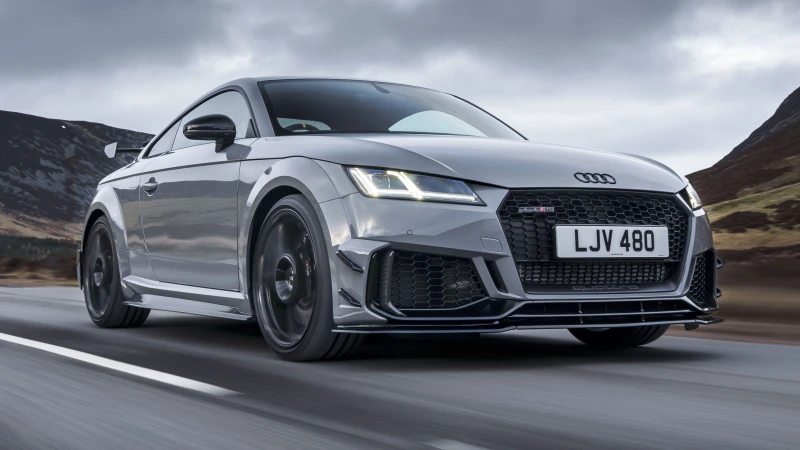
In gridlock in Los Angeles or on narrow streets in Miami, size and fuel economy count. The BMW Z4 (turning radius ~36 ft, EPA 23 city/29 hwy mpg for M40i auto) with its rearview camera and available Parking Assistant slips through traffic easily. The Porsche 718 Boxster (~34 ft, 20–22 city/26–28 hwy mpg) is slightly more nimble but thirstier. The Toyota GR Supra (~34 ft, 23 city/31 hwy mpg) matches agility but lacks the open-air freedom. The Audi TT Roadster (legacy, ~36 ft, ~24–28 mpg) offers a virtual cockpit for easy urban use. The Mercedes-Benz SLC and Jaguar F-Type trail in efficiency. The Z4 leads in real-world fuel savings, while the Boxster shines in tight maneuvers. On pothole-filled U.S. city streets, the Z4's suspension absorbs impacts better than the Porsche's firmer setup.
Weekend Getaways: Space and Safety
For romantic drives along the Pacific Coast Highway or weekend trips, comfort and protection are key. The BMW Z4 offers a 9.9 cu ft trunk and decent legroom (~41.5 inches), delivering real comfort, though no LATCH anchors for child seats. The Driving Assistance package (blind-spot monitoring, auto emergency braking) boosts safety, even without full IIHS/NHTSA ratings for the latest model. The Porsche 718 Boxster (9.6 cu ft) feels tighter but carries strong crash-test credentials. The Toyota GR Supra (~10.2 cu ft) provides more cargo space but lacks top safety scores. The Audi TT Roadster (legacy, ~7.5 cu ft) is compact yet safe (prior 5-star NHTSA). The Mercedes-Benz SLC and Jaguar F-Type offer less room. The Z4 and Supra win on practicality, while Boxster and TT lead in safety.
Tech: Modern Driving Essentials
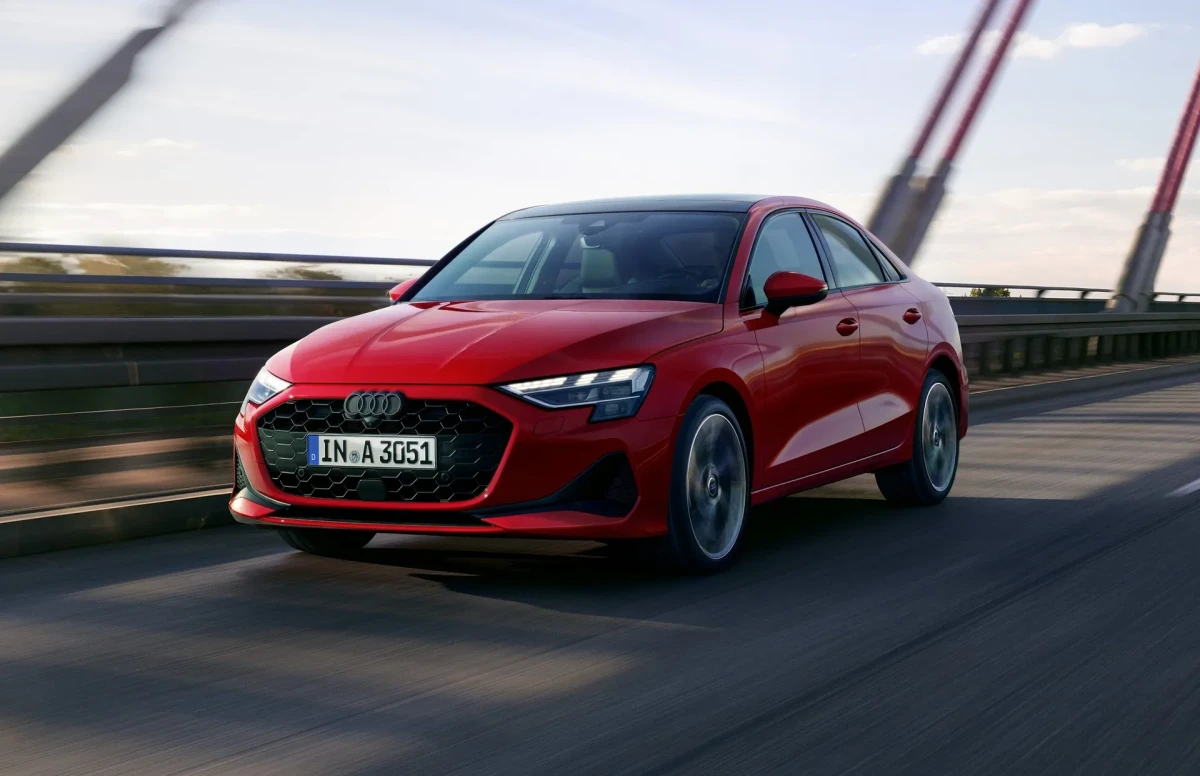
American drivers love the latest gadgets. The BMW Z4 features iDrive 8, a 10.25-inch screen, optional Harman Kardon audio (12 speakers), and full Apple CarPlay/Android Auto compatibility—functional, though the interface feels a bit dated. The Porsche 718 Boxster uses PCM (10.9-inch) that's straightforward but less intuitive. The Toyota GR Supra borrows iDrive but with a smaller display. The Audi TT Roadster (legacy) boasts a standout 12.3-inch virtual cockpit. The Mercedes-Benz SLC and Jaguar F-Type lag with older systems. The TT wins on visuals, the Z4 on audio and ergonomics. With widespread BMW dealer support across the U.S. (far more accessible than Porsche or Jaguar in many areas), the Z4 feels more practical.
Ownership Costs: The Real Price of the Dream
In the U.S. market, purchase price is only part of the equation—service and parts matter too. The BMW Z4 M40i starts around $68,350–$74,000 (MSRP), with estimated 5-year ownership costs ~$15,000–$18,000. The Porsche 718 Boxster (~$75,000–$90,000+) runs higher (~$17,000–$22,000 over 5 years). The Toyota GR Supra (~$56,250–$60,000) is cheaper to maintain (~$12,000–$15,000) thanks to Toyota reliability. Legacy models like Audi TT Roadster and Mercedes-Benz SLC can be more affordable used, while Jaguar F-Type (final editions ~$80,000+) carries premium upkeep (~$18,000–$22,000). The Supra and legacy TT win on budget, but the Z4 delivers strong value with widespread BMW service networks.
BMW Philosophy: Pure Driving Joy
The BMW Z4 embodies the brand's «Freude am Fahren»—sheer joy of driving. The Handschalter package revives the manual gearbox for tactile shifts and engagement. Exclusive colors (San Remo Green, Frozen Deep Green Metallic) and premium interior highlight its status. Unlike the track-focused Porsche or aggressive Supra, the Z4 offers versatility: great in the city, on highways, or long trips. Its M Adaptive suspension (lowered ~0.4 inches) handles U.S. road imperfections better than the stiff Boxster or low-slung F-Type.
Popularity in the U.S.
In America, roadsters remain a niche for enthusiasts. The BMW Z4 appeals to younger drivers and professionals who value style and accessible service (hundreds of BMW centers nationwide). It trails the Porsche 718 Boxster in prestige sales but beats legacy models like the Audi TT Roadster, Mercedes-Benz SLC, and Jaguar F-Type. The Toyota GR Supra draws crowds with its value and reliability. In cities like Los Angeles and Miami, the Z4 attracts those seeking open-top fun with everyday usability.
Pros and Cons
| Model | Pros | Cons |
|---|---|---|
| BMW Z4 | Available manual, balanced ride, widespread U.S. service | Steering feedback could be sharper, premium pricing |
| Porsche 718 Boxster | Reference-level handling, strong safety | Firm ride on rough roads, higher costs |
| Toyota GR Supra | Lower running costs, strong performance | No convertible option, noisier cabin |
| Audi TT Roadster (legacy) | Great virtual cockpit, decent efficiency | Cramped interior, dated dynamics |
| Mercedes-Benz SLC (legacy) | Comfortable, classic looks | Outdated tech, small trunk |
| Jaguar F-Type | Charisma, power | High fuel use, expensive parts |
Final Verdict: Your Ideal U.S. Roadster
The 2025 BMW Z4 is the choice for drivers who want it all: style, comfort, and excitement. Its optional Handschalter manual delivers emotional engagement, while the adaptive suspension handles American roads better than the stiff Porsche 718 Boxster. The Toyota GR Supra wins on value and reliability but lacks the open-top thrill. Legacy Audi TT Roadster suits tech fans who prioritize compactness. The Mercedes-Benz SLC appeals to classic lovers, and the Jaguar F-Type draws those chasing charisma. The Z4 is perfect for younger buyers and professionals willing to pay for emotion and status. Take a test drive in LA, Miami, or your local dealer to feel its character. Check out reviews on YouTube (like Hooniverse on the Z4 M40i) and pick your driving style!
| Spec | BMW Z4 | Porsche 718 | Toyota Supra | Audi TT (legacy) | Mercedes SLC (legacy) | Jaguar F-Type |
|---|---|---|---|---|---|---|
| Power (hp) | 382 | 300–394 | 382 | 228 | 241 | 296–444 |
| 0–60 mph (sec) | 3.9–4.2 | 4.0–4.5 | 3.9 | 5.5 | 5.7 | 4.4–5.4 |
| Trunk (cu ft) | 9.9 | 9.6 | 10.2 | 7.5 | 6.4 | 7.3 |
| Fuel Economy (city/hwy mpg) | 23/29 | 20–22/26–28 | 23/31 | ~23–24/~28–30 | ~22–24/~28–32 | ~18–20/~25–28 |
| Starting Price (approx. $) | 68,000–74,000 | 75,000–90,000+ | 56,000–60,000 | legacy/used | legacy/used | 80,000+ (final editions) |