The fifth-generation Toyota Prius 2025 sets the benchmark in the compact hybrid segment, going head-to-head with rivals like the Honda Civic Hybrid, Hyundai Elantra Hybrid, Kia Niro, Mazda3 Hybrid, and Volkswagen Jetta Hybrid. This review breaks down how the Prius holds its own on American roads, highlighting its strengths and trade-offs against the competition. We've factored in real-world U.S. conditions—from urban traffic to highway cruising—to help you pick the right hybrid for daily drives in Los Angeles, road trips on Route 66, or weekend getaways.
Head-to-Head: Prius vs. the Competition
Fuel Economy: Who Wins at the Pump?
For U.S. drivers facing fluctuating gas prices, efficiency is everything. The Toyota Prius (up to 57 mpg city/56 highway in the LE trim) leads the pack thanks to its refined M20A-FXS hybrid system. That translates to roughly 4.1 liters per 100 km in city driving—excellent for keeping ownership costs down. The Hyundai Elantra Hybrid (around 51/58 mpg) edges it slightly on the highway but falls short in stop-and-go traffic. The Kia Niro (53/54 mpg) is competitive, though its PHEV variant needs plugging in—not always practical. The Honda Civic Hybrid (50/47 mpg) and Mazda3 Hybrid (48/47 mpg) lag behind, while the Volkswagen Jetta Hybrid (around 48/45 mpg) trails. Prius shines with consistent real-world savings, especially in heavy traffic in cities like New York or Chicago.
Road Handling: Standing Up to American Pavement
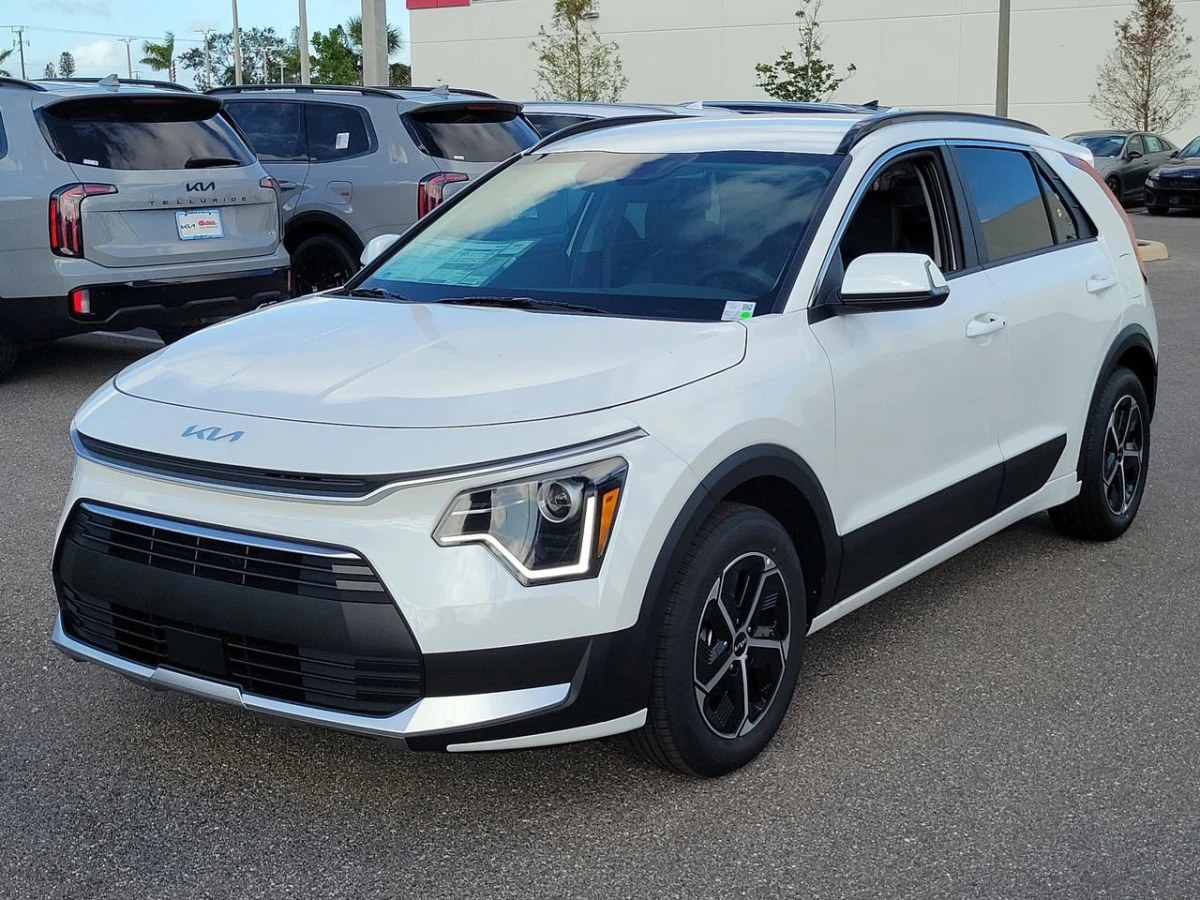
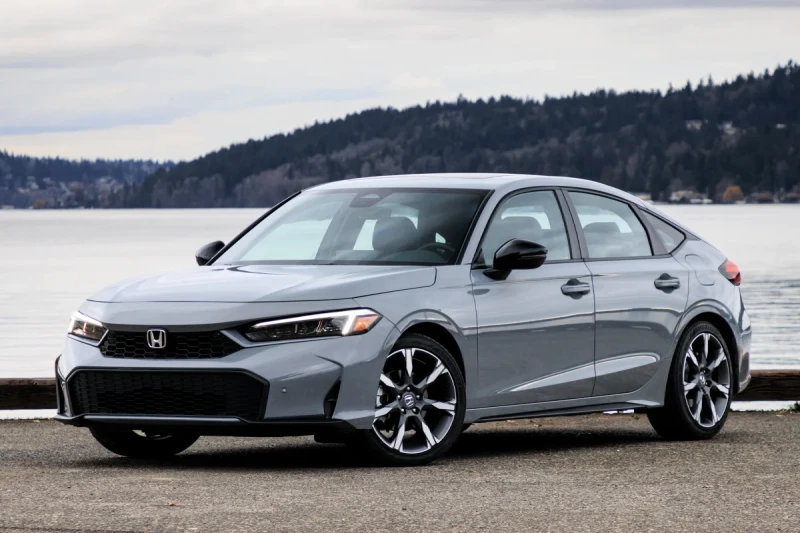
U.S. roads vary wildly—from smooth interstates to pothole-filled streets. The Toyota Prius, built on the TNGA-C platform with independent rear suspension, delivers solid comfort over imperfections, while its 5.9-inch ground clearance handles light gravel or suburban driveways confidently. The Kia Niro (around 6.3 inches) has a slight edge for rougher paths. The Honda Civic Hybrid (about 5.3 inches) and Mazda3 Hybrid (around 5.5 inches) feel more planted on smooth pavement but struggle with rough patches. The Hyundai Elantra Hybrid and Volkswagen Jetta Hybrid (both near 5.5 inches) are similar. Prius strikes a great balance, though Niro might suit those who occasionally venture off paved roads.
Urban Agility: Navigating Traffic & Parking
In tight city traffic or crowded parking lots in places like San Francisco or Miami, maneuverability matters. The Toyota Prius offers a turning radius of about 37 feet and available 360-degree cameras for easy parking. The Kia Niro (around 35 feet) and Hyundai Elantra Hybrid (about 35.5 feet) feel a touch nimbler. The Honda Civic Hybrid (around 38 feet) is slightly less agile, while the Volkswagen Jetta Hybrid and Mazda3 Hybrid are close to Prius. For tight American parking spots, Niro and Elantra have a small advantage, but Prius counters with strong parking assist features.
Highway Comfort: Long-Distance Cruising
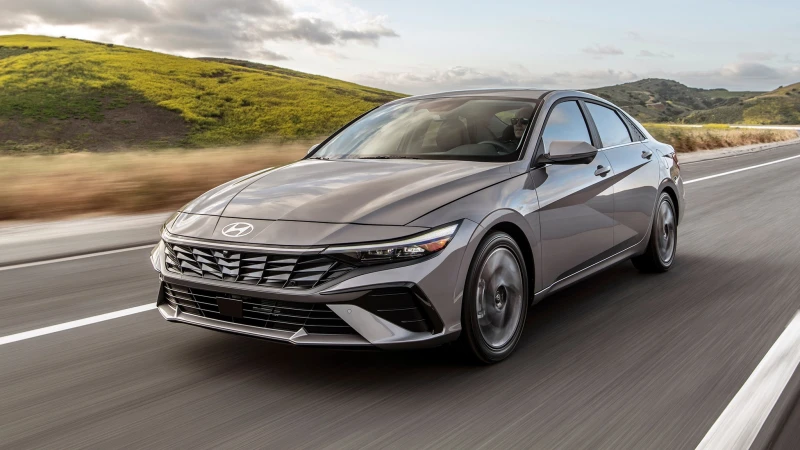
For road trips from coast to coast, power and refinement count. The Toyota Prius (194 hp, 0-60 mph in about 7.2 seconds FWD / 7.0 AWD) offers a smooth, quiet ride with excellent insulation, though towing is limited to around 1,500 pounds. The Honda Civic Hybrid (200 hp, ~6.8 seconds) feels quicker but gets noisier at speed. The Mazda3 Hybrid (191 hp, ~7.5 seconds) is similar in pep but firmer. The Kia Niro and Hyundai Elantra Hybrid (both ~139 hp, 8.9–9.0 seconds) are slower but Niro offers more cargo space (up to ~63 cubic feet). The Volkswagen Jetta Hybrid (~158 hp, ~8.0 seconds) sits in the middle. Prius and Civic excel for relaxed highway miles, while Niro wins for hauling gear.
Tech & Features: Modern Connectivity
Today's buyers expect cutting-edge tech. The Toyota Prius comes with an 8-inch (LE/XLE) or 12.3-inch (Limited) touchscreen, “Hey Toyota” voice control, and available JBL audio with 8 speakers. The interface can occasionally lag. The Honda Civic Hybrid (9-inch screen with Google Built-In) feels snappier and more intuitive. Hyundai Elantra Hybrid and Kia Niro (both 10.25-inch) support over-the-air updates—handy with spotty connections. Mazda3 Hybrid uses a rotary controller that takes getting used to, and Volkswagen Jetta Hybrid (8-inch) trails in sharpness. Prius offers generous standard features, but Civic and Elantra edge out in user-friendliness.
Toyota's Hybrid Legacy: Efficiency Meets Reliability
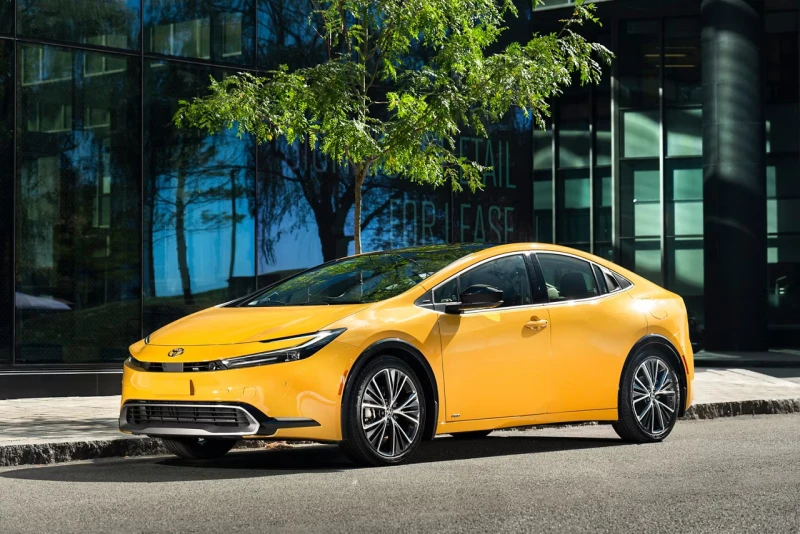
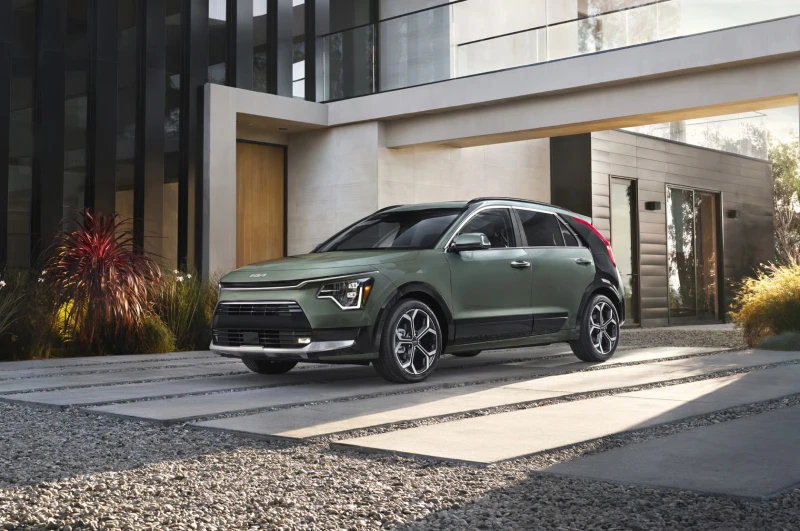
The Toyota Prius isn't just a car—it's the hybrid icon since 1997. In 2025, it blends bold Nightshade Edition styling with advanced battery recycling programs and top-tier efficiency. In the U.S., where eco-conscious driving is on the rise, Prius appeals to buyers wanting lower emissions without giving up style or practicality. Toyota's legendary reliability scores high (often 75+/100 from J.D. Power), and widespread dealer networks make service straightforward in major cities.
What Owners Are Saying
On U.S. forums and sites like Reddit or Edmunds, Prius owners praise real-world economy (often around 50+ mpg), sharp looks, and bulletproof reliability—but note the tighter rear legroom (about 36.4 inches) and lack of a spare tire on higher trims. Honda Civic Hybrid gets love for its fun drive but criticism for highway noise. Hyundai Elantra Hybrid wins points for long warranties but catches flak for interior plastics. Kia Niro is favored for cargo room but dinged for modest acceleration. Mazda3 Hybrid impresses with upscale cabin feel but feels stiff on rough roads. Volkswagen Jetta Hybrid attracts budget shoppers but disappoints with base features.
Ownership Costs: What It Really Costs Americans
In the U.S., buyers focus on total cost beyond the sticker. The Toyota Prius (starting around $28,350–$29,500) typically costs $12,000–$15,000 over 5 years (fuel, maintenance, insurance), thanks to stellar efficiency and durability. Hyundai Elantra Hybrid (~$12,000–$15,000) and Volkswagen Jetta Hybrid (~$11,500–$14,500) can be slightly lower due to lower entry prices. Kia Niro matches Prius closely, while PHEV adds expense. Honda Civic Hybrid and Mazda3 Hybrid run higher from premium options. Prius often leads in long-term savings from fuel and minimal repairs, though Jetta appeals to strict budget buyers.
| Model | Starting Price, $ | 5-Year Ownership Cost, $ | Ground Clearance, in | City/Highway MPG |
|---|---|---|---|---|
| Toyota Prius | 28,350–29,500 | 12,000–15,000 | 5.9 | 57/56 |
| Honda Civic Hybrid | 29,500–30,500 | 13,000–16,000 | 5.3 | 50/47 |
| Hyundai Elantra Hybrid | 26,000–28,000 | 12,000–15,000 | 5.5 | 51/58 |
| Kia Niro | 28,000–29,000 | 12,500–15,500 | 6.3 | 53/54 |
| Mazda3 Hybrid | 32,000–34,000 | 13,500–16,500 | 5.5 | 48/47 |
| VW Jetta Hybrid | 27,000–29,000 | 11,500–14,500 | 5.5 | 48/45 |
Popularity in the U.S.: Who's Winning Buyers?
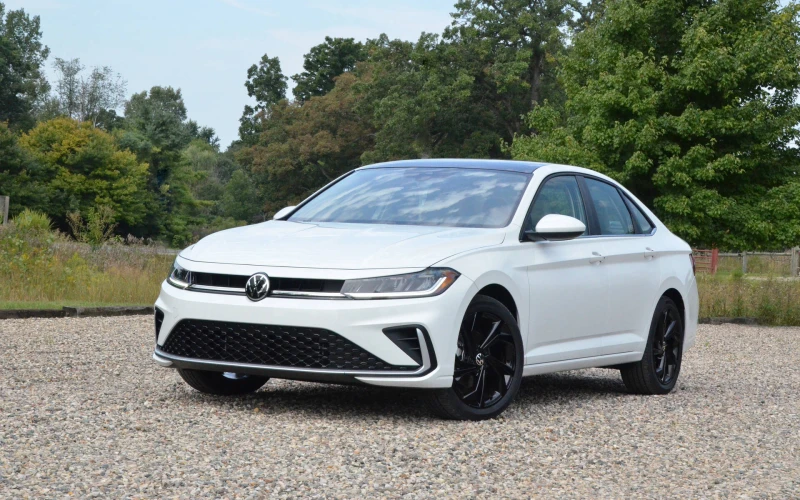
Toyota enjoys strong loyalty in the States thanks to reliability and dense dealer networks. Prius remains a top seller in the hybrid space, often outselling rivals like Honda Civic Hybrid, Hyundai Elantra Hybrid, Kia Niro, Mazda3 Hybrid, and Volkswagen Jetta Hybrid in key segments. Its reputation for efficiency and low running costs keeps it ahead, though Hyundai and Kia gain ground with aggressive warranties and value.
Final Verdict: Why Prius Remains a Smart Pick for Americans
The 2025 Toyota Prius delivers outstanding efficiency (up to 57 mpg), eye-catching Nightshade Edition style, and legendary dependability—perfect for U.S. drivers facing city congestion and long highway hauls. It beats the Honda Civic Hybrid on fuel savings and refinement, out-equips the Hyundai Elantra Hybrid, and offers better all-around balance than the Kia Niro. The Mazda3 Hybrid and Volkswagen Jetta Hybrid fall short on overall harmony. Prius suits families, young drivers, and eco-minded buyers who value low costs in traffic-heavy cities or cross-country trips. Need more cargo? Go Kia Niro. Crave extra zip? Pick Honda Civic Hybrid. Tight budget? Consider Volkswagen Jetta Hybrid. A test drive at your local Toyota dealer will seal the deal.