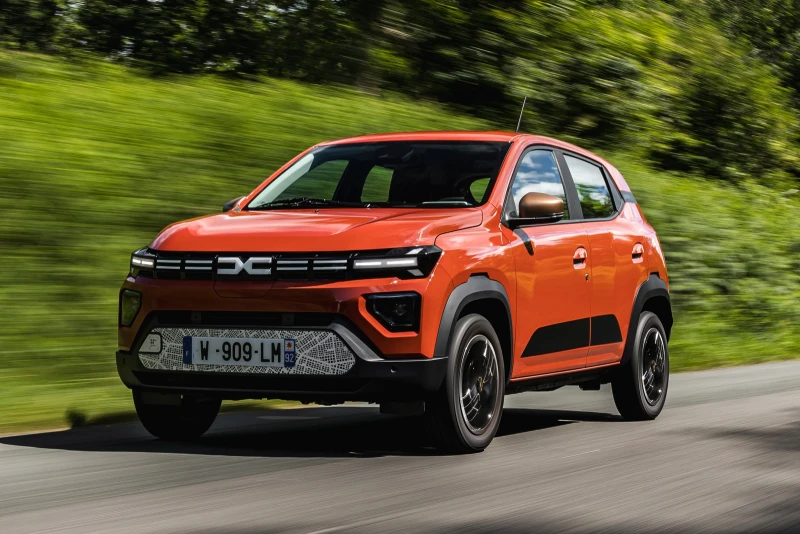
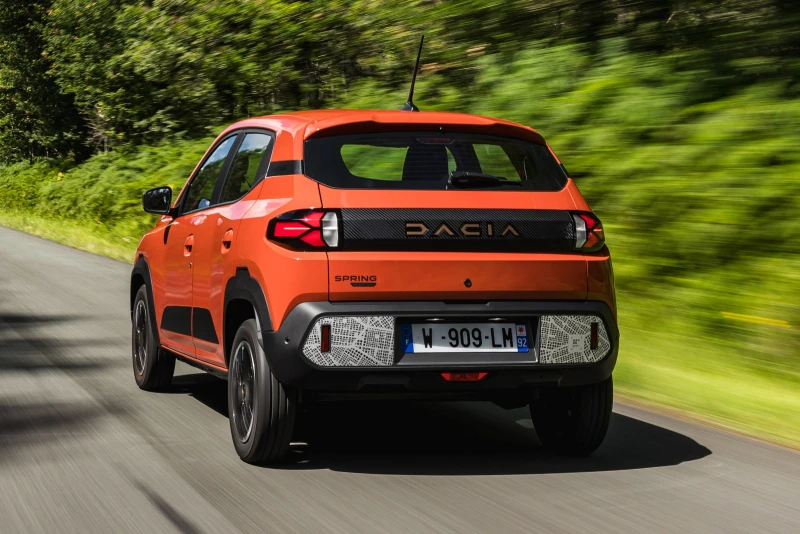
When Dacia unveiled the Spring, the hype was huge: "an electric car for half the price!" But in reality, it's more like a basic electric mobility device—a body on wheels with minimal comfort and features. Fun fact: the Spring's platform is borrowed from a Chinese-market Renault model, and its distinctive design is mostly just stylish packaging.
How Much It Costs and Why Sales Are Sluggish
Pricing for Budget Appeal
- In comparable markets — estimated $18,000–$22,000 (not available in the US)
- In Europe — incentives make it affordable, but that's not enough to drive demand
At those prices, you'd expect lines at dealerships, but recent sales data shows limited uptake: in 2024, Spring sales dropped significantly compared to stronger performers like the Sandero and Duster, which outsell it by multiples despite higher prices.
Top 3 Reasons the Spring Is Falling Short
- Range. Official figures around 140 miles, but real-world drops to about 95 miles in summer and even less in winter. It's more like a short-hop city runner than a full-fledged car.
- Charging. From a standard outlet, expect 8–10 hours; fast charging takes 1–2 hours. Waiting at a charger isn't exactly convenient.
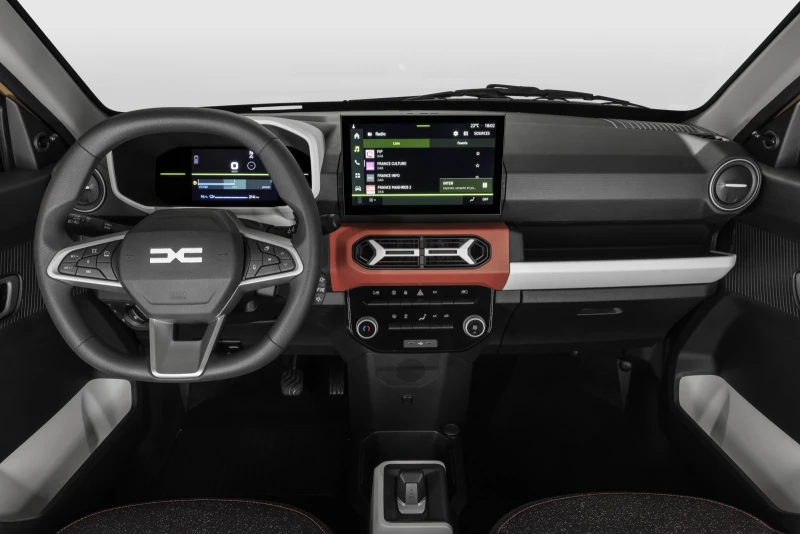
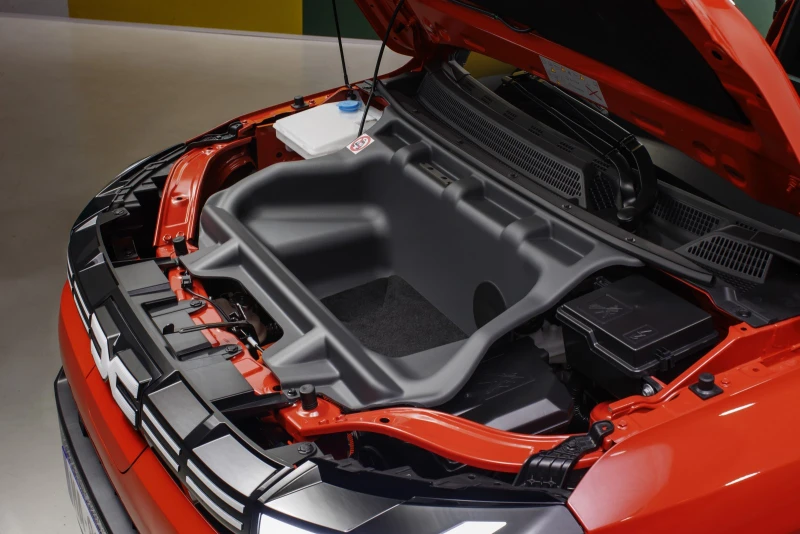
- Versatility. The Spring lags behind even basic commuters—it feels like an upgraded golf cart. For families, the Sandero is far more practical: more space and better for longer drives.
My Take and the Surprising Conclusion
Any bold experiment is worthwhile if it hits its target. The Spring nails the "budget EV" role, but few buyers are willing to accept its compromises. On the flip side, some pick it up as a check-the-box electric option—like a third car in the garage or a fun runabout for everyday errands. But most shoppers opt for the all-around reliable Sandero or Duster, realizing that sometimes paying a bit more gets you a proper vehicle.