


Amid the active development of electric transportation, some representatives of major companies have begun to openly discuss the shortcomings of plug-in hybrids. This technology has long been viewed as an intermediate stage between traditional internal combustion engines and fully electric vehicles. However, some industry managers today question its effectiveness and prospects.
What Is a Plug-In Hybrid
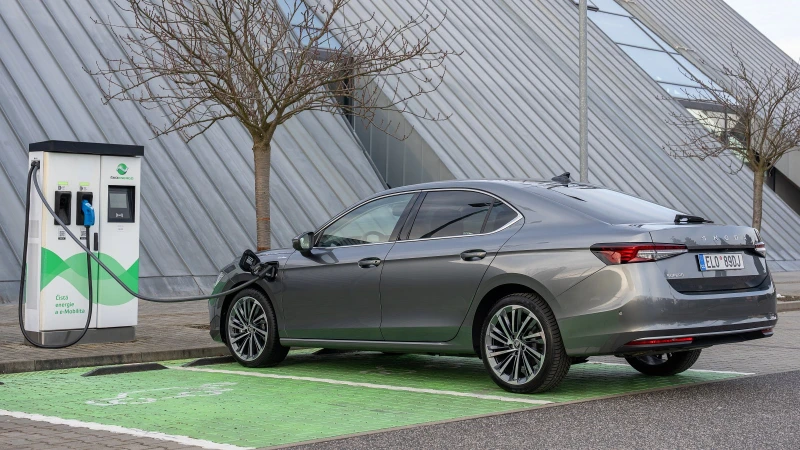
Plug-in hybrids are equipped with two energy sources: a gasoline engine and an electric battery that can be charged from an external network. The assumption was that this setup would reduce fuel consumption and emissions. In daily operation, the vehicle can travel a certain distance solely on electricity, after which the internal combustion engine engages.
However, in practice, the effectiveness of this concept largely depends on how the vehicle is used. If the battery is regularly charged and the driver actively uses the electric mode, fuel consumption can be relatively low. Otherwise, the hybrid system essentially becomes a complex version of a traditional vehicle.
Criticism from Automakers
Some executives from automotive companies have become more skeptical about this technology. Representatives from the Polestar brand note that plug-in hybrids combine the drawbacks of two types of powertrains: electric and gasoline. In their view, this setup does not align with the company's goals for reducing emissions.
A similar position is expressed by representatives from Renault. In their assessment, plug-in hybrids do not always provide sufficient electric range, and owners are not required to charge the battery regularly. As a result, real-world fuel consumption figures may significantly differ from those recorded in laboratory tests.
Alternative Solutions
At the same time, manufacturers are not yet ready to completely abandon the use of internal combustion engines. One option being considered is so-called extended-range electric vehicles. In such vehicles, the gasoline engine is not used to drive the wheels but serves as a generator that produces electricity for the battery and electric motors.
The operation scheme of such systems is as follows:
- The electric motor propels the vehicle
- The gasoline engine generates electricity for the battery
- The primary propulsion is transmitted through the electric system
Such technologies allow for an increased overall range and reduce dependence on charging infrastructure.
Discussion on the Future of Powertrains
Various approaches to the development of automotive technologies indicate that the industry is in a phase of active exploration. Electric vehicles continue to improve, but high costs and infrastructure requirements remain key factors. At the same time, hybrid systems complicate the vehicle's design and require the integration of multiple technical solutions.
Conclusions
Plug-in hybrids have long been considered a compromise between gasoline vehicles and electric vehicles. However, in recent years, some automakers have begun to reconsider their stance on this technology. The discussion on the most effective types of powertrains continues, as the industry seeks a balance between environmental requirements, vehicle costs, and operational convenience.