In reality, by 2026, this category has evolved significantly. Weather patterns have become more unpredictable: intense summer heat with heavy rainstorms, followed by sudden winter cold and icy conditions. Over the past two seasons, I’ve covered more than 40,000 km on highways and mountainous roads. The conclusion is straightforward: a well-developed all-season tire is no longer a compromise, but a practical solution that saves time, money and effort.
However, choosing the right one requires understanding your driving conditions. If most of your driving is on highways and well-maintained urban roads, prioritize dry grip and resistance to aquaplaning. If snow and rough surfaces are frequent, focus on winter performance and durability. For heavier vehicles or more dynamic driving styles, sidewall rigidity and steering precision become important factors. Even the best tires wear differently depending on usage.
Leaders of 2026: not just rankings, but distinct characteristics
This selection includes ten models validated through European tests such as ADAC, Auto Bild and Tyre Reviews, combined with real-world observations. Each tire has its own strengths and limitations, which become noticeable under different conditions.
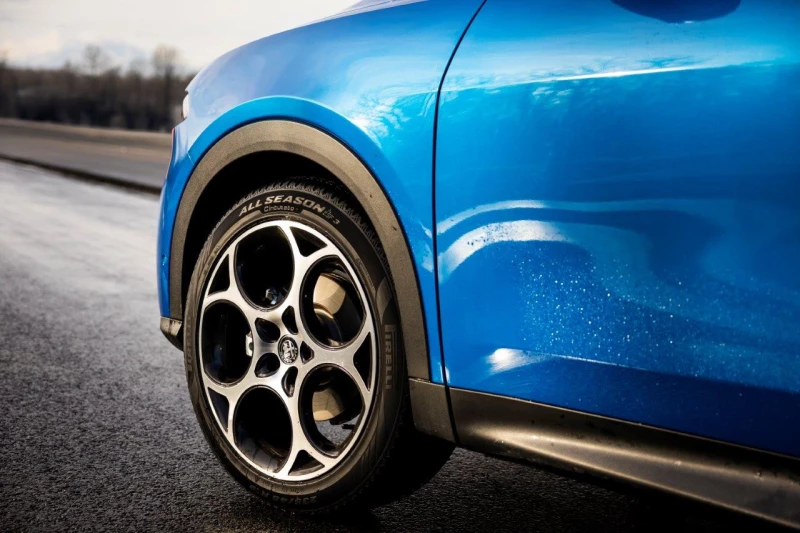
Pirelli Cinturato All Season SF3 — balance-focused leader
This model stands out as one of the most versatile options available. In 2025–2026 tests, it delivers top braking performance on dry surfaces, strong wet grip, high resistance to aquaplaning and stable behavior in snow. Under heavy rain, it maintains consistent road contact similar to a summer tire. The trade-off is slightly faster wear compared to some competitors after extended mileage. Suitable for drivers who prioritize performance and are willing to accept moderate wear.
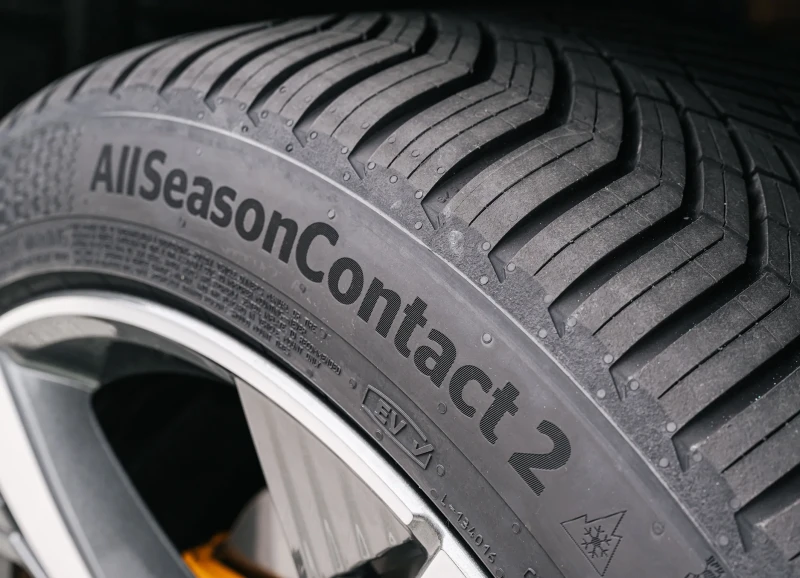
Continental AllSeasonContact 2 — refined all-rounder
This tire achieved high ratings for both safety and efficiency in recent testing. It offers low noise levels, reduced rolling resistance and stable handling across wet and snowy conditions. Its only limitation appears on hot, dry asphalt, where the compound feels slightly softer and steering response less sharp. For most use cases, it represents a well-balanced solution.
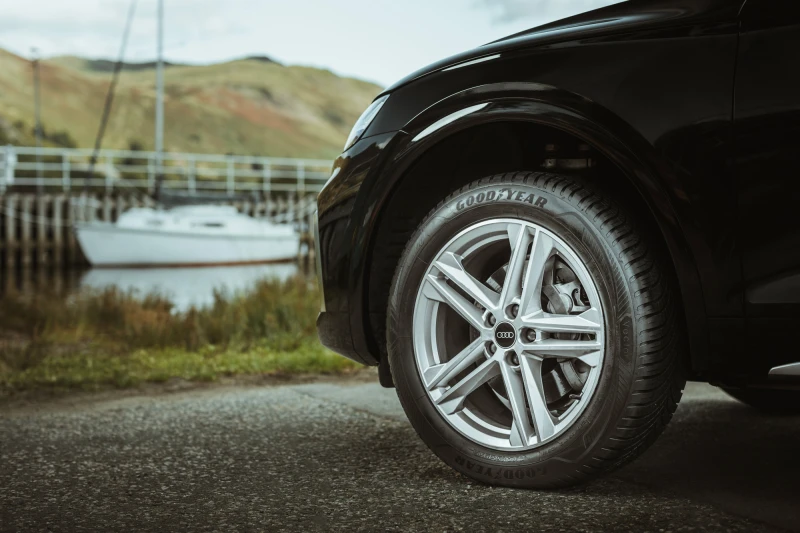
Goodyear Vector 4Seasons Gen-3 — wet performance specialist
This model excels in wet braking and aquaplaning resistance. It also remains predictable in winter conditions. Even at higher speeds in slush, stability remains consistent. However, on hot dry surfaces, it may generate slightly more noise and heat buildup. It is particularly suitable for regions with frequent rainfall.
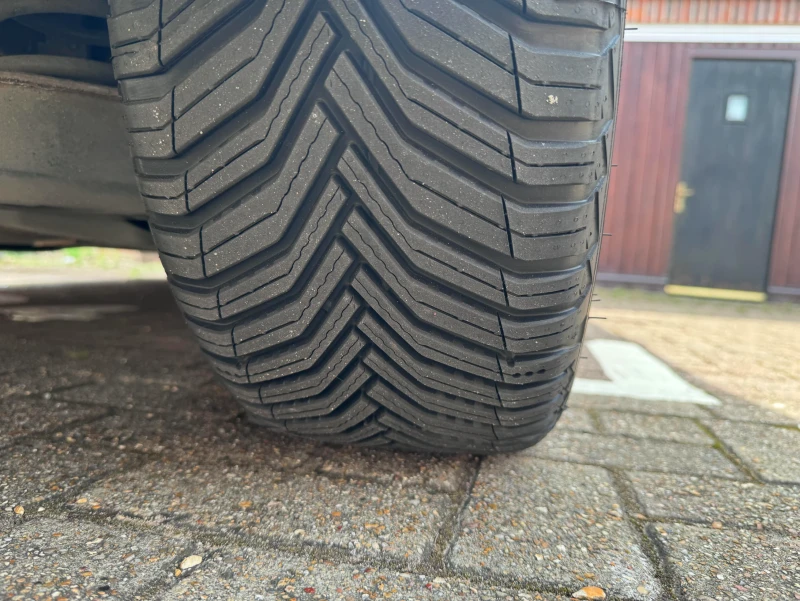
Michelin CrossClimate 2 — strong winter capability
Despite newer versions entering the market, this tire continues to deliver excellent performance in snow and ice. It combines long lifespan—often exceeding 50,000–60,000 km—with low noise and comfort. On dry summer roads under aggressive driving, grip levels decrease earlier compared to competitors. It remains a strong option when winter performance is a priority.
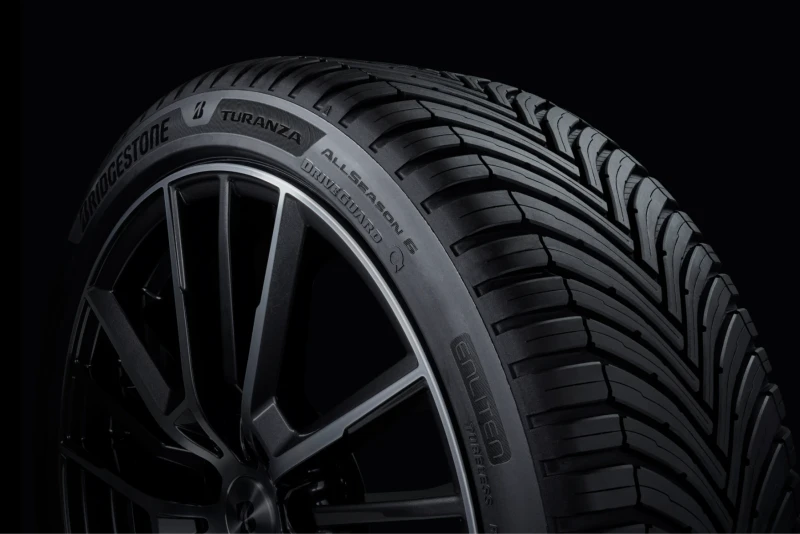
Bridgestone Turanza All Season 6 — comfort and precision
This tire focuses on driving comfort and precise steering. It performs well on dry roads and maintains low cabin noise levels. Snow performance is stable, though not as strong as some competitors. The sidewall construction may feel firm on rough surfaces. Suitable for drivers prioritizing comfort and smooth driving.
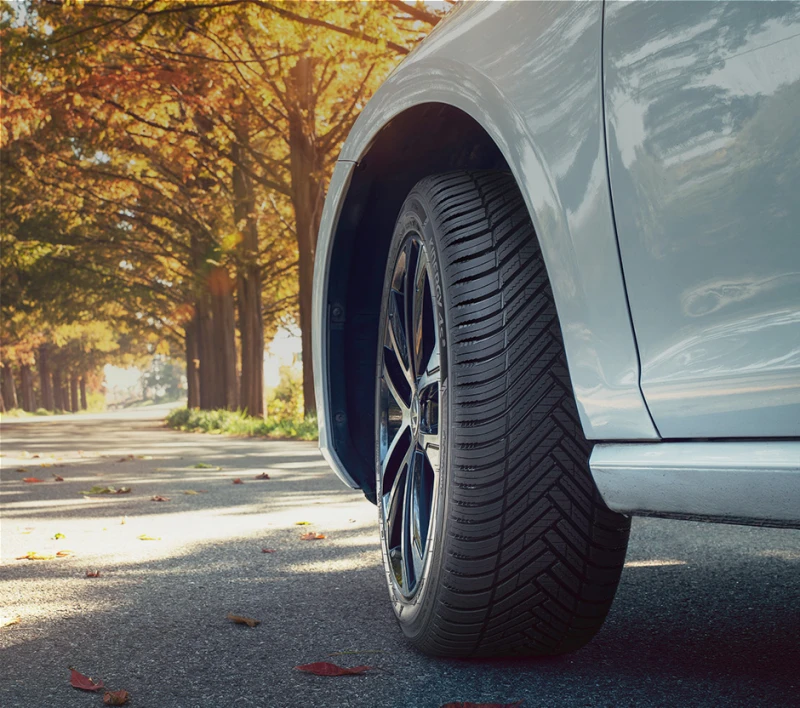
Hankook Kinergy 4S2 — value-oriented balance
This model offers a strong balance between cost and performance. It performs consistently across conditions, with good wear resistance and durability. While it may not lead in extreme winter scenarios, it remains sufficient for the majority of driving conditions. A practical choice for those seeking efficiency without sacrificing quality.
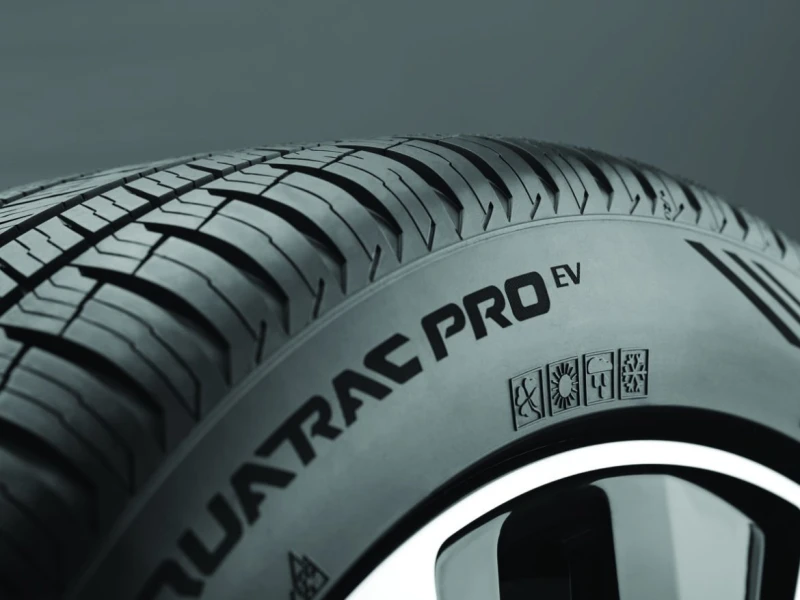
Vredestein Quatrac Pro Plus — wet grip focus
This tire demonstrates strong aquaplaning resistance and precise handling on wet surfaces. Comfort levels are also notable. However, snow performance is average, and overall lifespan may be slightly lower than some competitors. Best suited for environments where wet conditions dominate.
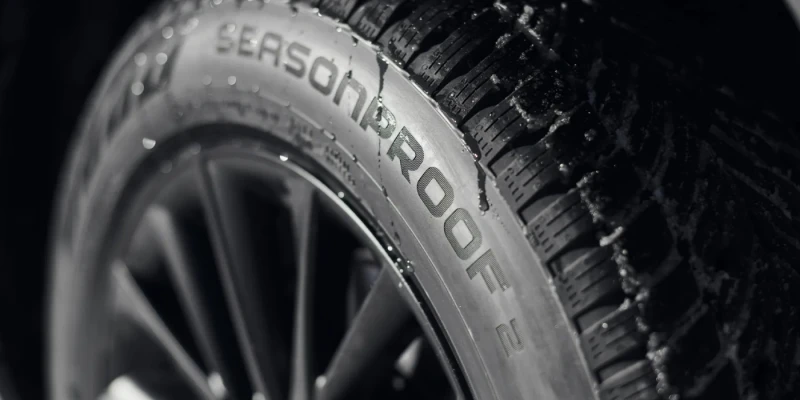
Nokian Seasonproof 2 — winter-oriented design
This model shows strong performance on snow and ice, with predictable handling on slippery surfaces. On dry and hot roads, it can be slightly noisier and less efficient. Suitable for drivers frequently encountering winter conditions or mountainous terrain.
Michelin Defender 2 — durability-focused touring tire
This tire emphasizes longevity and comfort. It is capable of covering up to 70,000 km under typical driving conditions. Ride quality is smooth and quiet. However, performance on snow and wet surfaces is not as strong as leading competitors. It is best suited for steady, everyday driving.
Practical selection guidelines
— For dynamic driving and highway use: Pirelli SF3 or Continental.
— For frequent rain: Goodyear or Vredestein.
— For winter-focused performance: Michelin CrossClimate 2.
— For balanced cost and durability: Hankook Kinergy 4S2.
— For maximum comfort: Bridgestone or Defender 2.
Testing conditions can vary, so real-world evaluation remains important. Tire size compatibility and load index should always match vehicle requirements to ensure safety and performance.
Conclusion: all-season tires are no longer a compromise
Modern all-season tires deliver approximately 90–95% of summer tire performance in warm conditions and 85–90% of winter tire capability in cold conditions. The overall convenience and cost efficiency make them a viable option for many drivers. The key is selecting a model aligned with actual driving conditions rather than relying solely on brand reputation.