


This iconic rotary engine has long been part of Mazda's heritage, and now the Japanese automaker is bringing it back. But to be honest, it's not quite the pure return that hardcore fans dreamed of. Instead of a screaming pure-gas sports coupe, we're getting something far more eco-conscious and forward-thinking.
The Wankel as a Generator, Not the Driving Force
Recall the last time Mazda used a rotary in its purest form—that was the RX-8. Today, it lives on in a supporting role in models like the MX-30 plug-in hybrid, where it doesn't directly drive the wheels but charges the battery instead. Essentially, it's a premium fuel generator extending an electric vehicle's range. No high-rev scream, no wild redline pulls—just efficiency and sustainability. And admittedly, it's not the same thrill that made the RX-7 or RX-8 legends.
Vision X-Coupe: A Hybrid Vision with Echoes of the Past
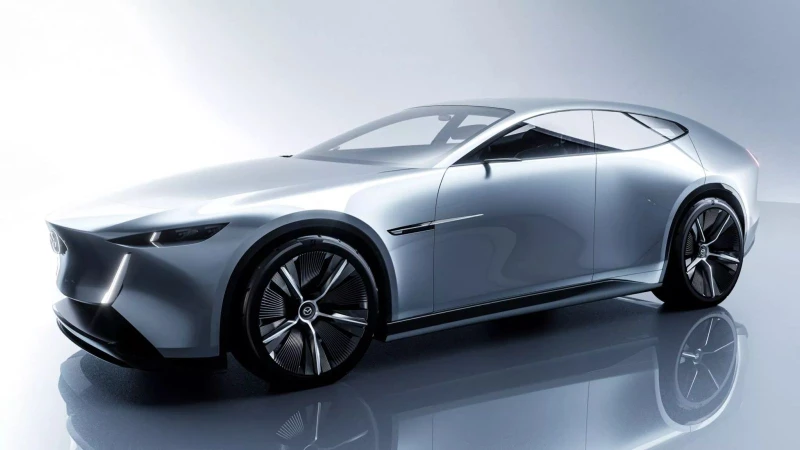
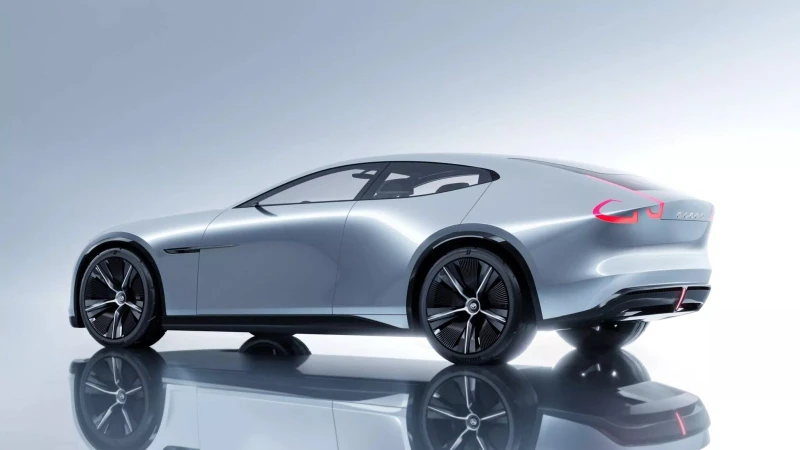
At the Japan Mobility Show, Mazda revealed the Vision X-Coupe concept—a glimpse into 2035. Under the hood is the familiar Wankel, now paired with an electric motor and batteries. The numbers are impressive: 503 horsepower combined, around 500 miles of total range, and up to 100 miles on electric power alone. But let's face it, this isn't the lightweight sports coupe of old—it's a heavier grand tourer hybrid. It won't carve canyons quite like an RX-7 did.
Sustainability Over Pure Adrenaline
On the bright side, Mazda's engineers are chasing a cleaner future: the rotary runs on fuel derived from microalgae. These organisms absorb CO₂ while producing oil for carbon-neutral e-fuel. Byproducts can even feed into animal agriculture or food production. In theory, the more you drive the Vision X-Coupe, the cleaner the air gets—it's an appealing idea, even if it feels a bit visionary.
Dimensions and Design: A Bold New Direction
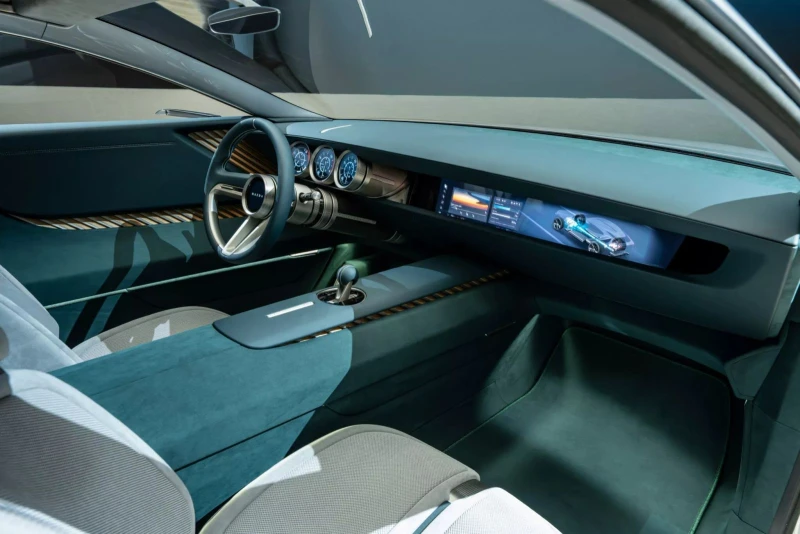
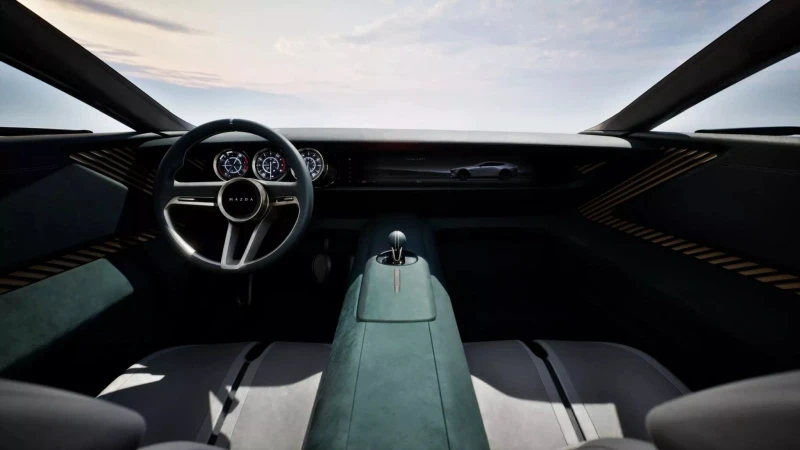
The Vision X-Coupe stretches to about 199 inches long with a 121-inch wheelbase. It's no compact coupe anymore—more like a low-slung four-door fastback. Height is around 58 inches, with the battery pack in the floor adding presence and a tiny rear window for that modern aesthetic. Inside, it's minimalist: few physical buttons, everything touchscreen-controlled. It looks cutting-edge, but in daily use, some might miss tactile controls.
Will We See an RX Successor?
Mazda is teasing fans—the rotary is alive. But for now, it's more a nod to heritage than a full revival. If a production model emerges, it's likely to be a hybrid grand tourer rather than a pure sports car. That's a little disappointing. We'd love to believe Mazda will eventually deliver a true rotary sports machine—for the joy of driving, not just eco-credentials.
If this concept ever reached production, the estimated market price in the United States would likely fall in the $90,000–$110,000 range. But truthfully, for that signature rotary howl and premium fuel thrill, enthusiasts would pay even more. The key is keeping that Mazda spirit alive—not just as a green showpiece.