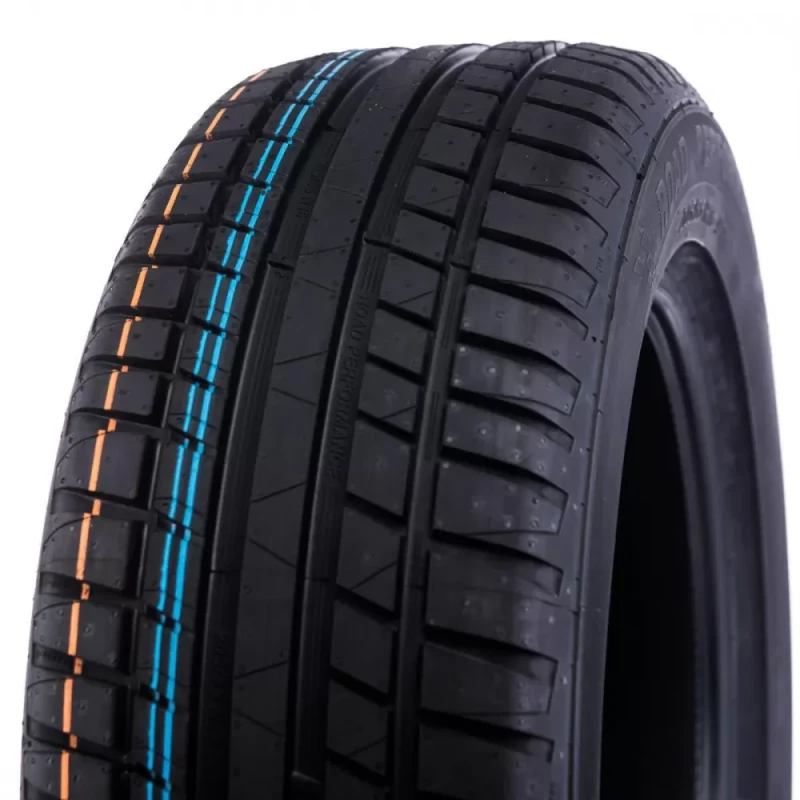
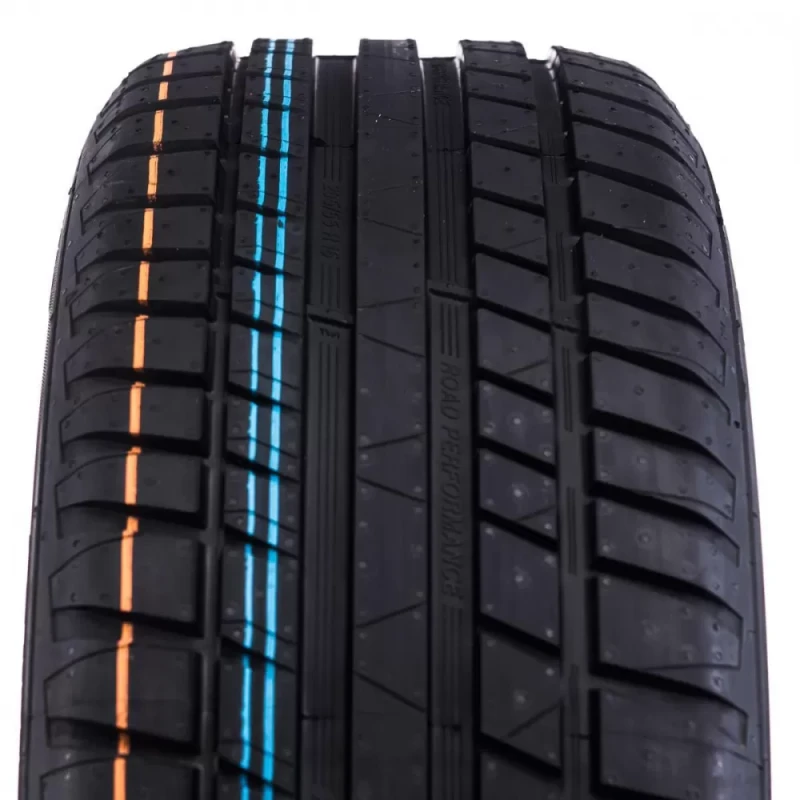
Kormoran Road Performance is exactly the kind of option where, for minimal cost, you get a tangible level of everyday comfort. These tires are often seen on standard C-segment sedans and compact crossovers, consistently presenting themselves as a straightforward, no-nonsense product — without ambition, but with a clear understanding of its purpose.
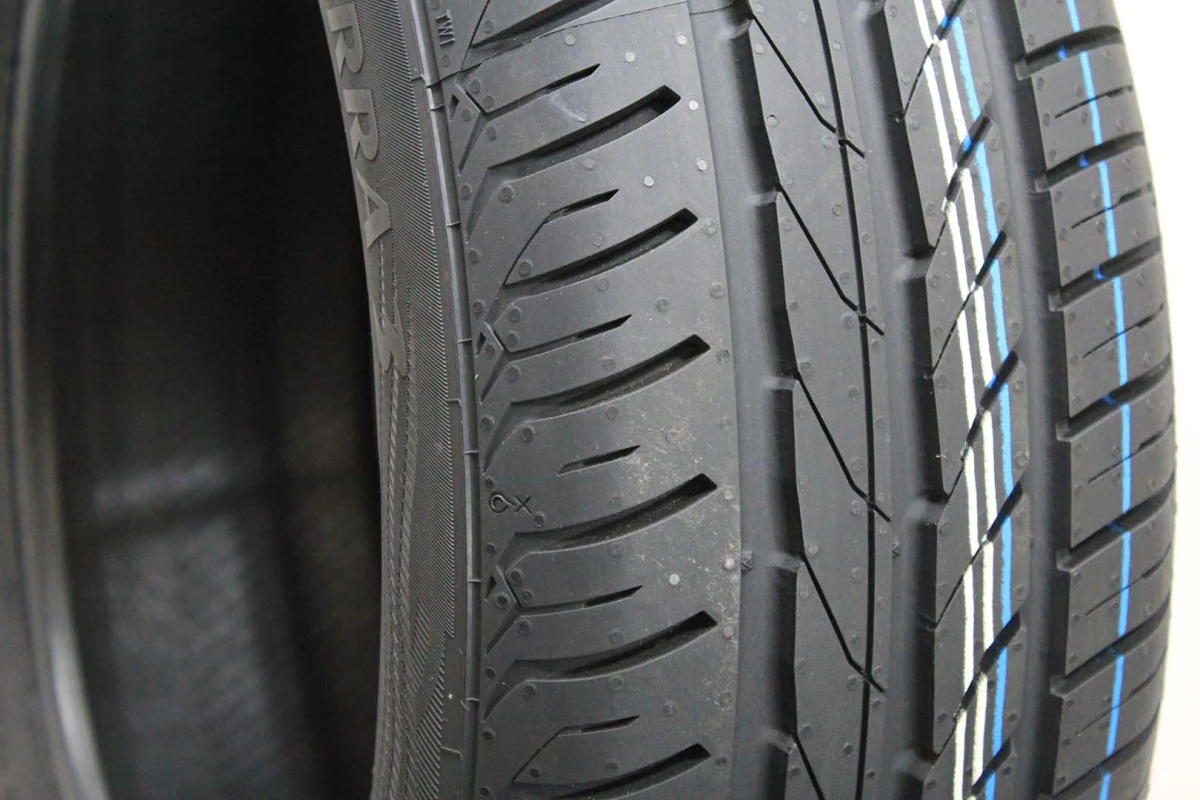
The positioning is simple: an ultra-budget summer touring tire designed for relaxed driving. Manufactured in Serbia under Michelin’s umbrella, it features an asymmetric tread pattern focused on comfort and efficiency. It’s not intended for aggressive cornering, but rather for everyday use — city driving, highway cruising, and imperfect road surfaces.
| Parameter | Kormoran Road Performance |
| Dry performance | Stable for calm driving |
| Wet performance | Limited, requires caution |
| Comfort and noise | Among the best in its class — soft and quiet |
| Wear resistance | Average, faster wear with aggressive use |
| Efficiency | Excellent, low rolling resistance |
On dry pavement, the tire performs adequately within its segment. In both urban and highway conditions up to moderate speeds, it maintains stability, provides predictable braking, and keeps steering feedback acceptable. Under calm or moderate driving, behavior remains consistent. However, when pushed harder — with abrupt maneuvers or braking — its budget nature becomes noticeable: responses feel softer and less precise. It also tends to feel less composed on worn road surfaces at higher speeds.
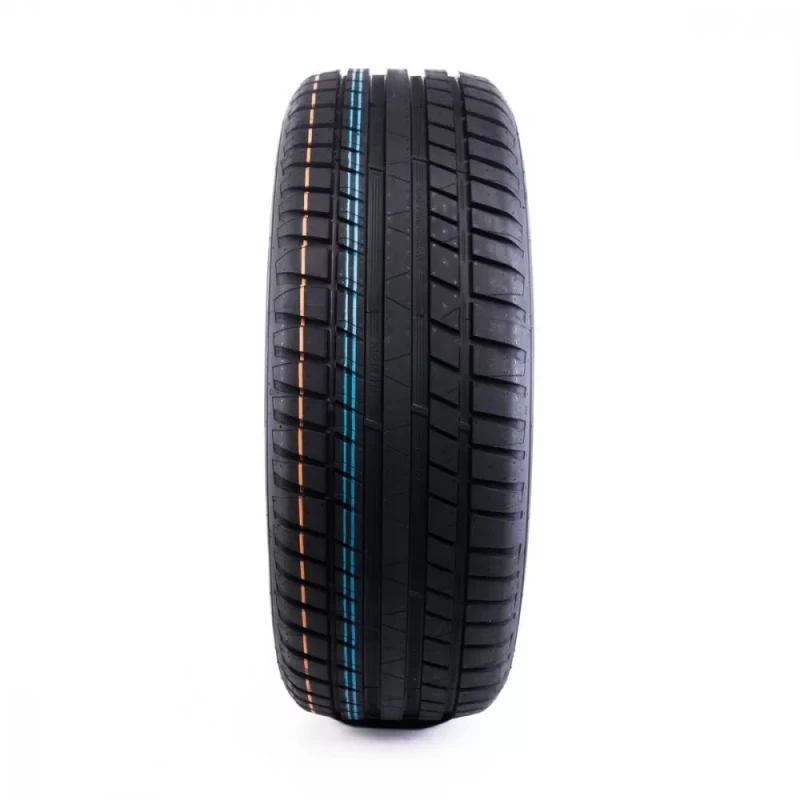
In wet conditions, Kormoran Road Performance reveals its main limitation. While longitudinal grooves channel water effectively, aquaplaning can occur relatively early in heavy rain, and overall wet grip is modest. Braking distances increase compared to more expensive alternatives, and cornering may feel less stable. In everyday city use this remains manageable with cautious driving, but on highways in heavy rain, reducing speed becomes necessary. This reflects compromises in the compound formulation.
Where the tire stands out is comfort and noise. It is notably soft, effectively absorbing minor road imperfections, joints, and shallow potholes — vibrations are barely transmitted to the cabin. Tread noise remains low even at higher speeds, and performance stays consistent across varying temperatures. Drivers transitioning from stiffer tires often notice a significant improvement in ride comfort and cabin quietness.
Wear characteristics are typical for this price category. With moderate driving in mixed conditions, the tires can cover around 40–50 thousand kilometers. More aggressive driving or frequent heavy loads accelerate wear, especially on the outer shoulders. The soft sidewall contributes to comfort but requires caution when encountering curbs or deep potholes, as damage risk is higher compared to premium models.
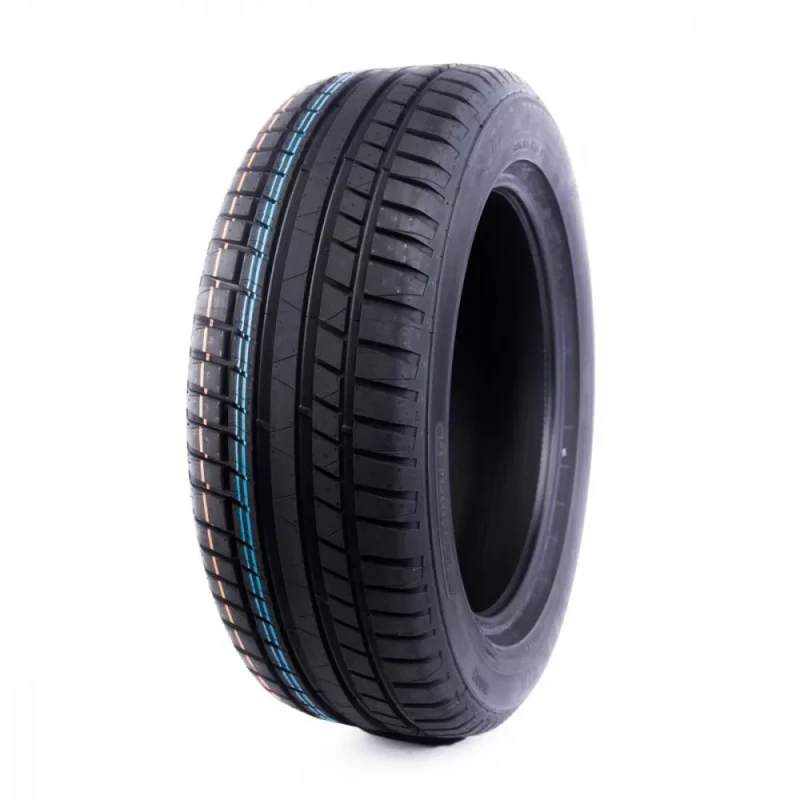
Strengths include excellent comfort and low noise, competitive pricing, good efficiency, and adequate dry-road performance for daily use. Weaknesses involve noticeable compromises in wet conditions, average durability under dynamic driving, and relatively soft sidewalls. This is not a tire for extreme conditions or performance driving, but rather a practical and comfortable budget option.
Who is it for? Drivers who prioritize comfort, quietness, and cost efficiency, and are willing to accept limitations in wet performance. It fits well on C-segment sedans, compact crossovers, or as a seasonal setup for everyday driving.
Overall, it is a straightforward product that delivers on its core promise. For those focused on comfort and economy rather than dynamic performance, expectations are met. Is it worth considering? Within a limited budget and with a calm driving style — yes.