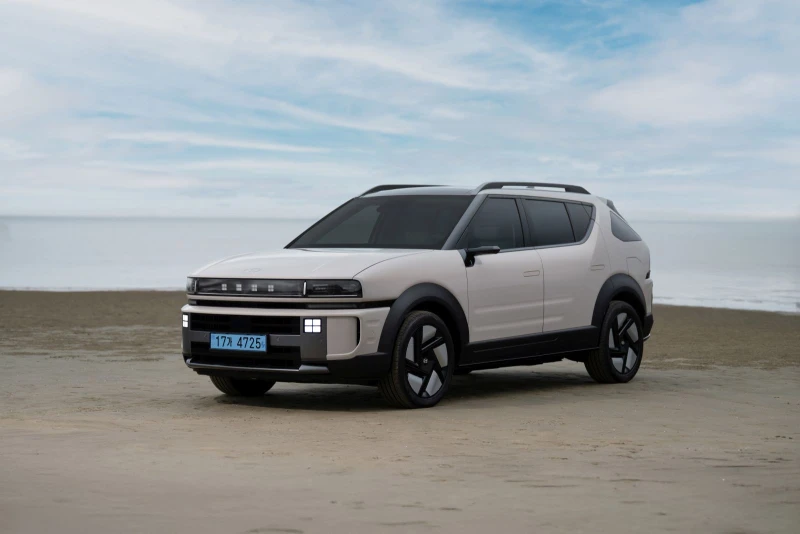
And here's the paradox: the solution seems logical, helpful, and even convenient, yet it draws criticism from some quarters. Take Hyundai's advanced intelligent cruise control, already available in certain markets and generating buzz in the US.
Not Just Radar—Smart Integration
Speed enforcement debates are universal. Cameras, tickets, and revenue discussions often overshadow pure safety concerns. Against this backdrop, Hyundai offers a thoughtful alternative.
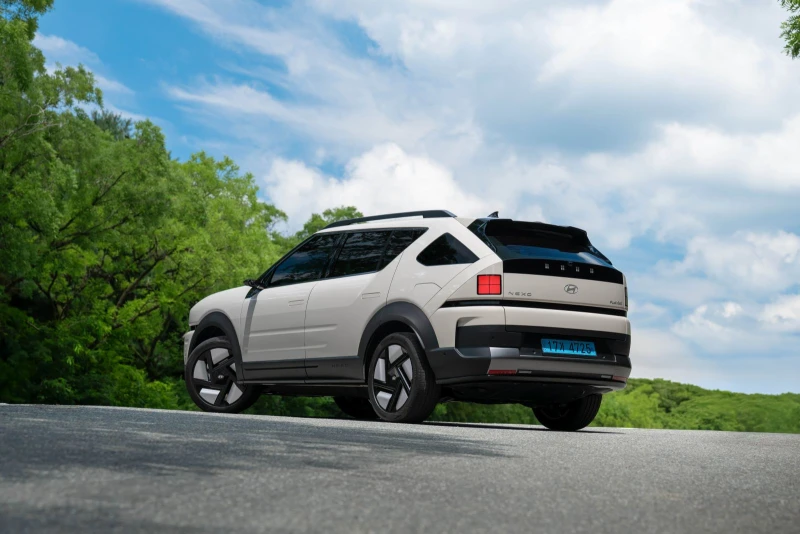
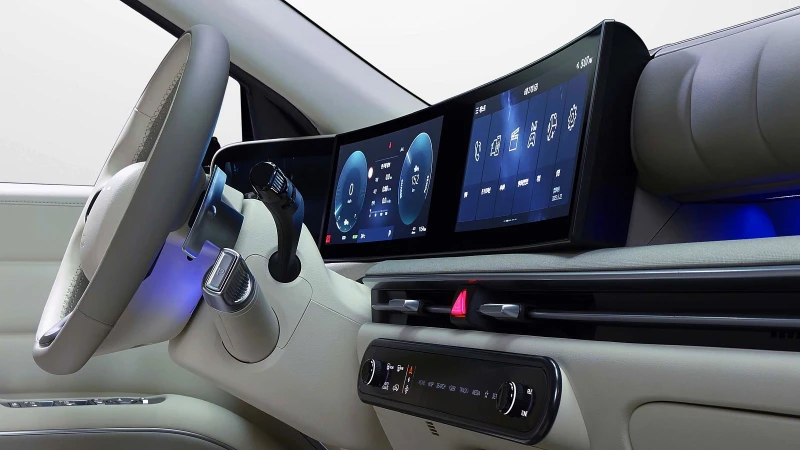
In select models, Hyundai's system pairs cruise control with navigation data. It doesn't just guide routes—it factors in known speed limit changes, enforcement zones, and potentially risky sections of road.
How It Works in Real-World Driving
The feature is straightforward and unobtrusive. The driver sets their desired speed—whether strictly by the limit or a bit above. Then the vehicle:
- automatically slows down approaching known camera zones or average speed checks;
- eases off in potentially hazardous areas;
- returns to the set speed once clear.
No constant alerts, overrides, or forced compliance. The car simply does what speed enforcement aims for—slowing down where it matters most.
Why It Rubs Some Drivers the Wrong Way
You'd think this would be a win-win: better safety, fewer tickets, no heavy-handed feel. But critics see it as "cheating the system." If it helps avoid fines, they argue, it must be wrong.
That logic feels off. Isn't the goal of enforcement to encourage slower speeds in critical spots—not just to maximize revenue?
A Different Approach Overseas
In some regions, the preference leans toward stricter measures: mandatory limits, penalties, and restrictions. This often leads to systems drivers disable or resent, like overly aggressive speed assistants.
Hyundai's method feels more practical. It doesn't intrude constantly but achieves the core objective—reducing speed where it truly counts.
Why This Idea Makes Perfect Sense
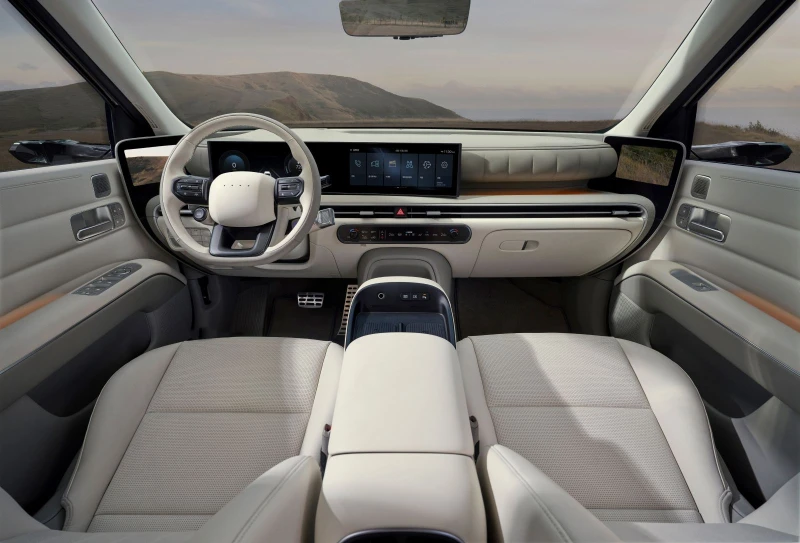
Think about it: most drivers don't mind higher speeds on empty interstates late at night. But near schools, construction zones, accidents, or tricky intersections? That's where caution is key. Hyundai's system targets exactly those scenarios.
In my view, this is a rare case of technology partnering with the driver rather than working against them. It's a shame that constructive solutions like this often take a backseat to more punitive approaches—better options exist if we're open to them.