


While the Toyota RAV4 continues to trade on its reputation for long-term durability and the Volkswagen Tiguan appeals to drivers who prefer a more European feel, the Tucson IV follows a different formula: generous room, modern technology, and meaningful everyday value at a price that remains competitive in the U.S. compact-SUV market.
A Major Step Forward From the Previous Generation
Compared with the third-generation Tucson, known internally as the TL, the NX4 feels significantly more mature. The previous model was easy to live with, but rear-seat space and cargo capacity could feel limited. The fourth generation arrived in the United States for the 2022 model year and received a substantial refresh for 2025. Built on Hyundai's newer platform, the U.S.-spec Tucson stretches to a 108.5-inch wheelbase and measures 182.7 inches long. In daily use, that translates into excellent rear legroom and about 38.7 cubic feet of cargo space behind the second row, expanding to roughly 74.8 cubic feet with the rear seats folded—enough for a stroller, a week's worth of groceries, luggage, or bulky outdoor gear.
Bold Styling That Still Stands Out
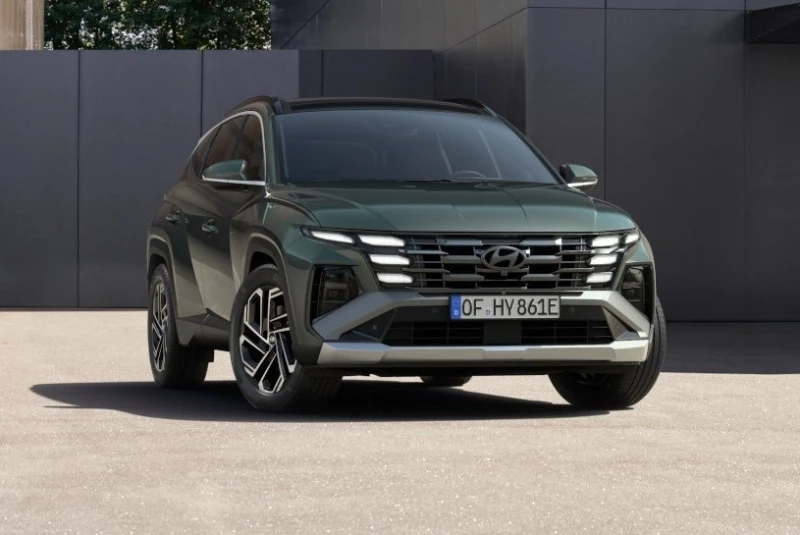
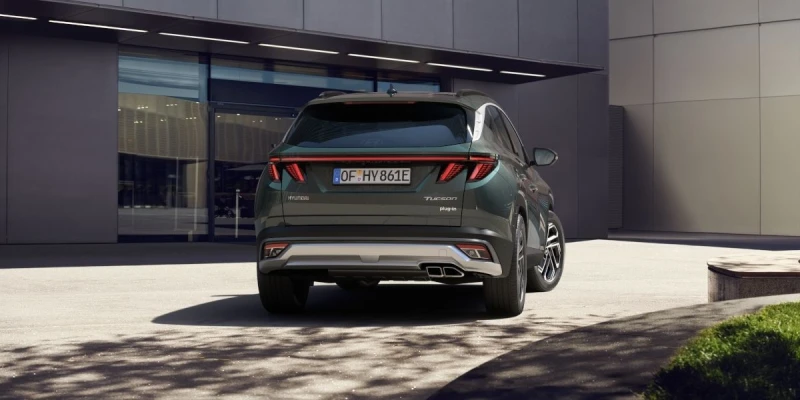
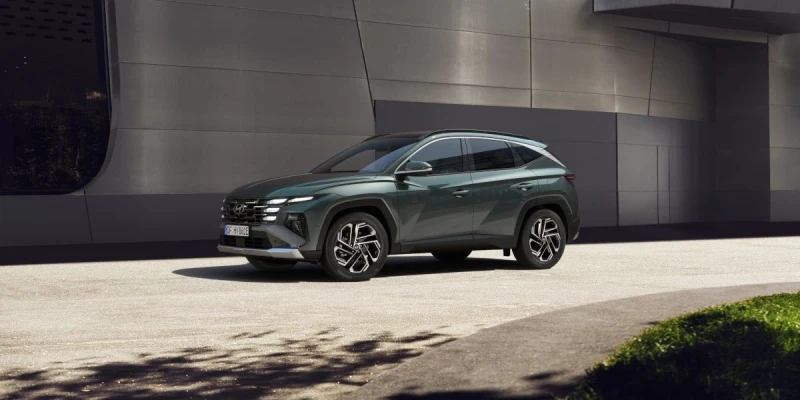
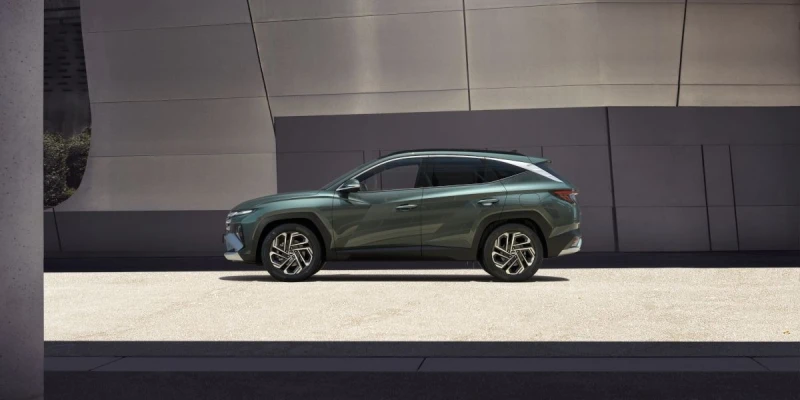
Design became one of the biggest talking points when this generation debuted. The parametric grille with integrated LED lighting, sharply creased bodywork, and distinctive rear light signature made the Tucson instantly recognizable. The 2025 refresh gave it a broader-looking grille, revised bumpers, and a cleaner, more upscale appearance. In shopping-center parking lots or office districts in Los Angeles, Dallas, or Chicago, it still avoids blending into the background. Just as important, the dramatic styling does not undermine usability: the mirrors are large, outward visibility is good, and a surround-view camera system is available on higher trims.
Practical for American Roads and Weather
For U.S. buyers who split their time between interstates, suburban streets, snow-covered roads, and occasional gravel access routes, the Tucson's available ground clearance of up to 8.3 inches is a useful advantage. The suspension is tuned to absorb potholes, expansion joints, and speed bumps without feeling floaty at highway speeds above 75 mph. Hyundai's HTRAC all-wheel-drive system is available across much of the gasoline lineup and standard on the hybrid, providing meaningful extra traction in Colorado snow, Michigan winters, or on muddy roads after heavy rain.
Trim Levels and U.S. Pricing in 2026
As of July 2026, the gasoline-powered Tucson SE starts at about $29,450, while SEL, SEL Plus, XRT, and SEL Premium trims generally occupy the low-to-mid $30,000 range. The well-equipped Limited is priced at approximately $39,425. HTRAC all-wheel drive typically adds around $1,500, depending on trim. The Tucson Hybrid starts near $32,450 and reaches roughly $42,075 in Limited form. Estimated market price for the United States: approximately $29,450–$42,075 before taxes, registration, and optional equipment. That range keeps the Tucson competitive with the Toyota RAV4, Honda CR-V, Kia Sportage, and Chevrolet Equinox.
Which Versions Make the Most Sense for U.S. Buyers
For many shoppers, the sweet spot is a Tucson SEL or SEL Plus with the 2.5-liter four-cylinder engine, eight-speed automatic transmission, and either front-wheel drive or HTRAC AWD. The engine produces 187 horsepower and runs on regular 87-AKI unleaded gasoline. EPA-estimated fuel economy is up to 28 mpg combined with front-wheel drive and 26 mpg combined with all-wheel drive. Buyers who spend more time in city traffic may prefer the 231-horsepower Tucson Hybrid, which can return about 36–38 mpg combined depending on trim.
A Modern Cabin With Family-Friendly Technology
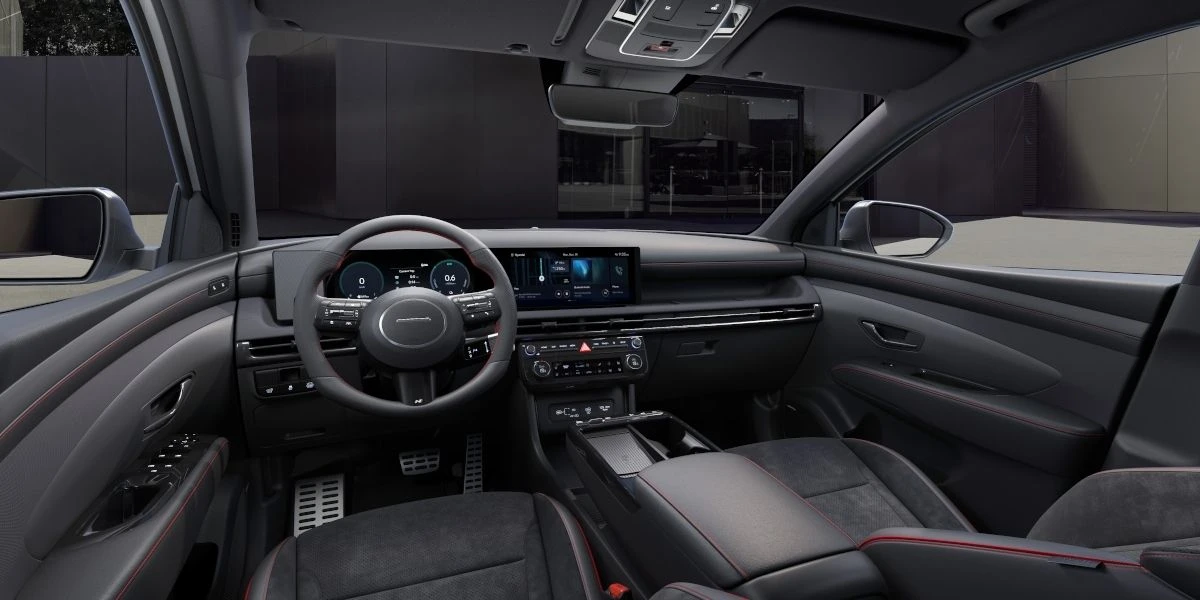
The cabin is another major reason the Tucson works well as a family SUV. Materials feel solid, soft-touch surfaces are used where they matter, and the controls are laid out more intuitively after the refresh. Depending on trim, buyers can get dual 12.3-inch displays, wireless Apple CarPlay and Android Auto, wireless phone charging, heated and ventilated front seats, a heated steering wheel, and a Bose premium audio system. Those features are especially welcome during freezing Midwest mornings or long summer drives across the Southwest. Highway noise is also better controlled than it was in the pre-refresh model.
How It Compares With Its Main Rivals
The Tucson has several clear strengths. The Toyota RAV4 has an excellent reputation for long-term durability and resale value, but the Hyundai generally offers a more spacious rear seat and more upscale technology for the money. The Kia Sportage is its closest mechanical relative, though the Tucson presents a cleaner, more restrained interior and a slightly different ride-and-handling balance. The Volkswagen Tiguan feels more composed on smooth pavement, but comparable trims can cost more and may not deliver the same combination of warranty coverage, cargo room, and standard equipment. For many buyers, the Tucson lands in the middle as the practical, well-rounded choice.
Ownership and Reliability in the United States
Hyundai backs the Tucson with a 5-year/60,000-mile new-vehicle limited warranty and a 10-year/100,000-mile powertrain limited warranty for the original owner. The brand also has a broad U.S. dealer network, and routine service parts are generally easy to source. Gasoline and hybrid powertrains have built a solid record when maintained on schedule, though a complete service history remains important when shopping used. On the pre-owned market, 2022–2023 Tucson models commonly fall in an estimated range of about $19,000–$28,000, depending on mileage, trim, drivetrain, location, and condition.
Ultimately, the Hyundai Tucson IV (NX4) is not aimed at buyers seeking sports-car responses or the absolute lowest fuel consumption at any cost. It is designed for people who need a roomy, dependable, well-equipped compact SUV for school runs, commuting, grocery trips, weekend travel, and family road trips without stretching the household budget too far. In the 2026 U.S. market, it remains one of the strongest all-around combinations of price, interior space, technology, and warranty coverage in its class.