The company has officially acknowledged substantial losses associated with the revision of its electrification strategy, providing a clear view of the consequences of decisions made several years ago amid expectations of a rapid market shift to electric vehicles.
Ambitious Plans and Expectations
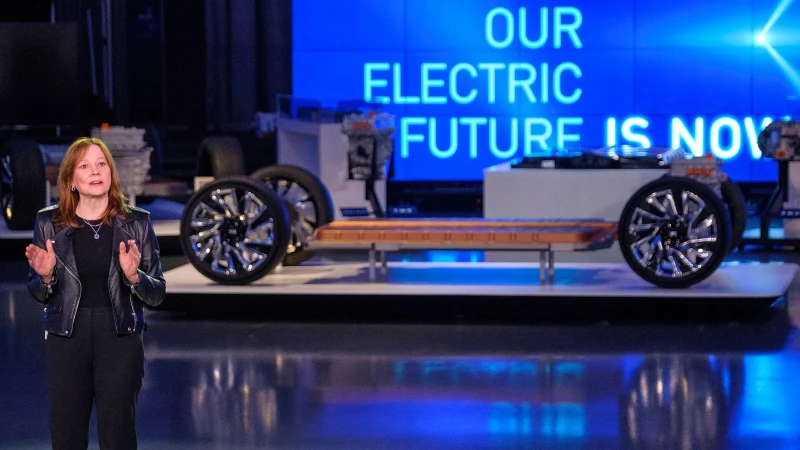
In the late 2010s, General Motors consistently announced intentions to radically transform its model lineup. The company outlined plans to introduce dozens of electric models, invest tens of billions of dollars in new platforms and infrastructure, and eventually phase out vehicles with internal combustion engines almost entirely.
A key element of the strategy was the belief in a swift and widespread consumer shift to electric transportation. These expectations formed the basis for large-scale investments in factories, equipment, and supply chains designed specifically for electric vehicle production.
Market Response and Course Correction
However, the actual market development proved far more restrained. As government subsidies decreased and regulatory pressures eased, the growth rate of demand for electric vehicles in North America began to slow. This resulted in underutilized production capacities and excess planned output volumes.
As a result, GM was compelled to revise its plans and reduce investments in the electric direction, effectively admitting that the anticipation of quick returns on investments had not materialized.
Financial Implications
In early 2026, the company reported write-offs amounting to approximately $7.6 billion. This figure includes losses from frozen projects, depreciation of equipment for electric vehicle production, and costs associated with terminating supplier contracts.
Formally, these decisions are attributed to changing market conditions, but essentially, they represent an acknowledgment that a significant portion of investments was made based on demand that failed to develop.
Beyond One Manufacturer
The situation at GM is not unique. Other major automakers that have bet on accelerated electrification in recent years have faced similar challenges. This points to a systemic issue and a disconnect between strategic declarations and actual consumer preferences.
Summary
The write-off of billion-dollar sums is the outcome of a strategy built on the expectation of a rapid and inevitable transition to electric vehicles. General Motors' experience demonstrates that even the largest manufacturers must adjust their course when market reality diverges from long-term forecasts and public commitments.