


The proposal involves restricting fuel flow at gas stations so that refueling a gasoline-powered vehicle takes noticeably more time and may lead to queues. It may sound unusual, but that is precisely the intention.
A Challenge Not Easily Overcome
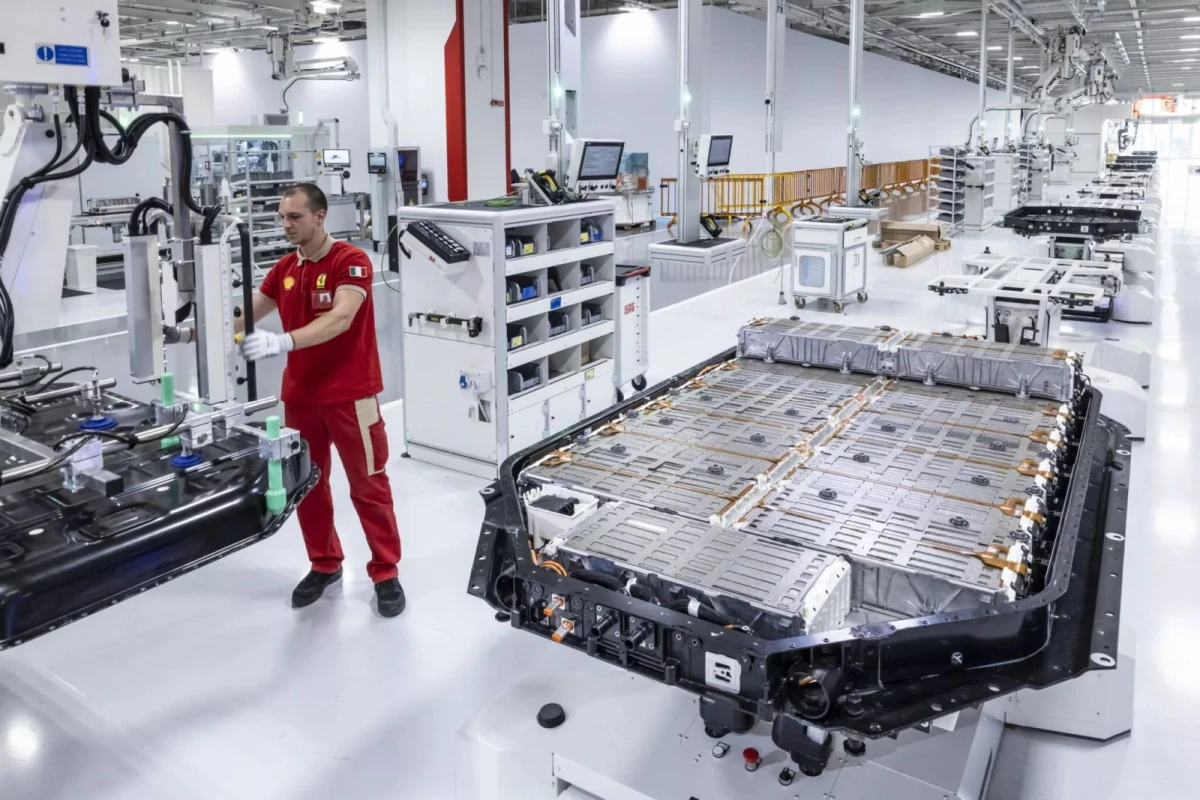
Electric vehicles continue to face two primary limitations: restricted real-world range and charging duration. While batteries have advanced, comparisons with a conventional car’s fuel tank remain stark: achieving the energy equivalent of 30 liters of gasoline requires hundreds of kilograms of batteries in some flagship electric models. This is more than a numerical difference — it reflects fundamentally different approaches to physics and energy systems.
Why Revolutionary Battery Advances Fall Short
- Even hypothetical improvements in battery capacity do not resolve infrastructure constraints: instantaneously delivering hundreds of megawatts to urban grids remains impractical.
- Large-scale generation and transmission of such energy volumes would demand vast resources and could involve higher-emission sources unless storage and distribution issues are fully addressed.
The Proposal: Reducing Flow Rates at Pumps
The suggestion is simple: lower the maximum fuel dispensing speed. In the US, the current limit at pumps is approximately 10 gallons per minute (≈38 L/min). Some proposals recommend reducing this to around 3 gallons per minute (≈11 L/min). In practice, this would require owners of large pickup trucks to spend significantly longer at the pump — for example, 10 minutes instead of two — and could create queues during peak hours.
From the perspective of those advancing the idea, the outcome is clear: if refueling takes as long as or longer than charging, electric vehicles would appear more competitive, particularly in urban settings where time and patience carry value comparable to fuel volume itself.
Concerns with This Approach
- Artificial restrictions create inconveniences for all users — not only for dominant market players — including queues, frustration, and lost time.
- Solutions based on artificially limiting competition are rarely sustainable or equitable in the long term.
- Such measures often encourage workarounds: unauthorized modifications, alternative services, and the growth of unregulated markets.
Analysis
Adjusting rules to simulate equal opportunities by favoring one technology may hinder genuine innovation. Technological progress benefits most from fair competition: the solution offering the best combination of convenience, cost, and safety will ultimately prevail. Altering fuel dispensing speeds to promote future-oriented technologies represents more of a policy intervention than an engineering strategy.
Notably, regulations on pump flow rates were originally introduced for safety reasons — yet any effective rule can be repurposed. This is where the potential issue arises: the technology itself is neutral, but its application carries broader implications.